biology
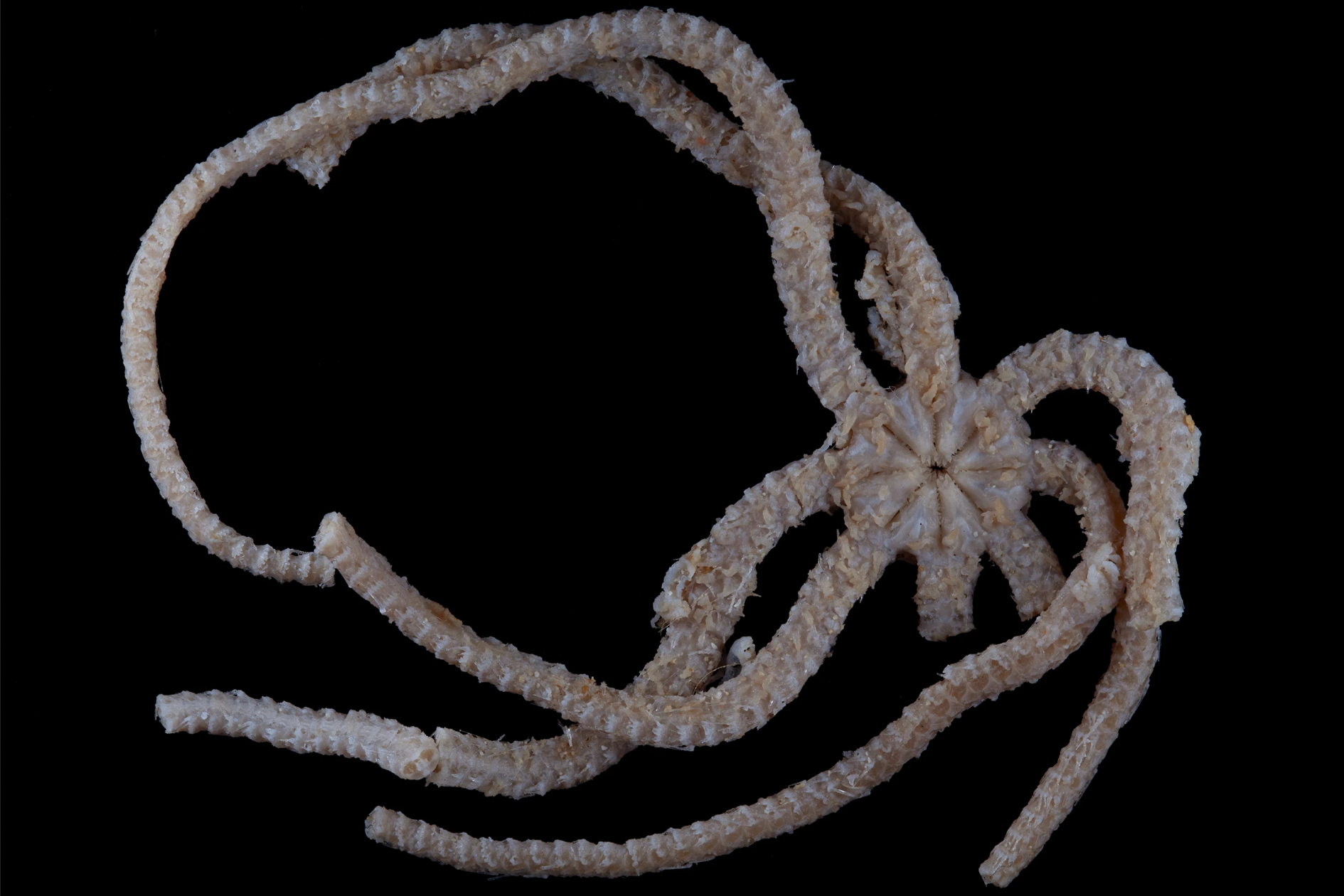
These distant cousins of starfish live on sea floors around the globe.

A new study reveals what caused most life on Earth to die out during the end-Permian extinction, also known as the Great Dying.

New research shines a light on the genetics of sudden cardiac deaths.
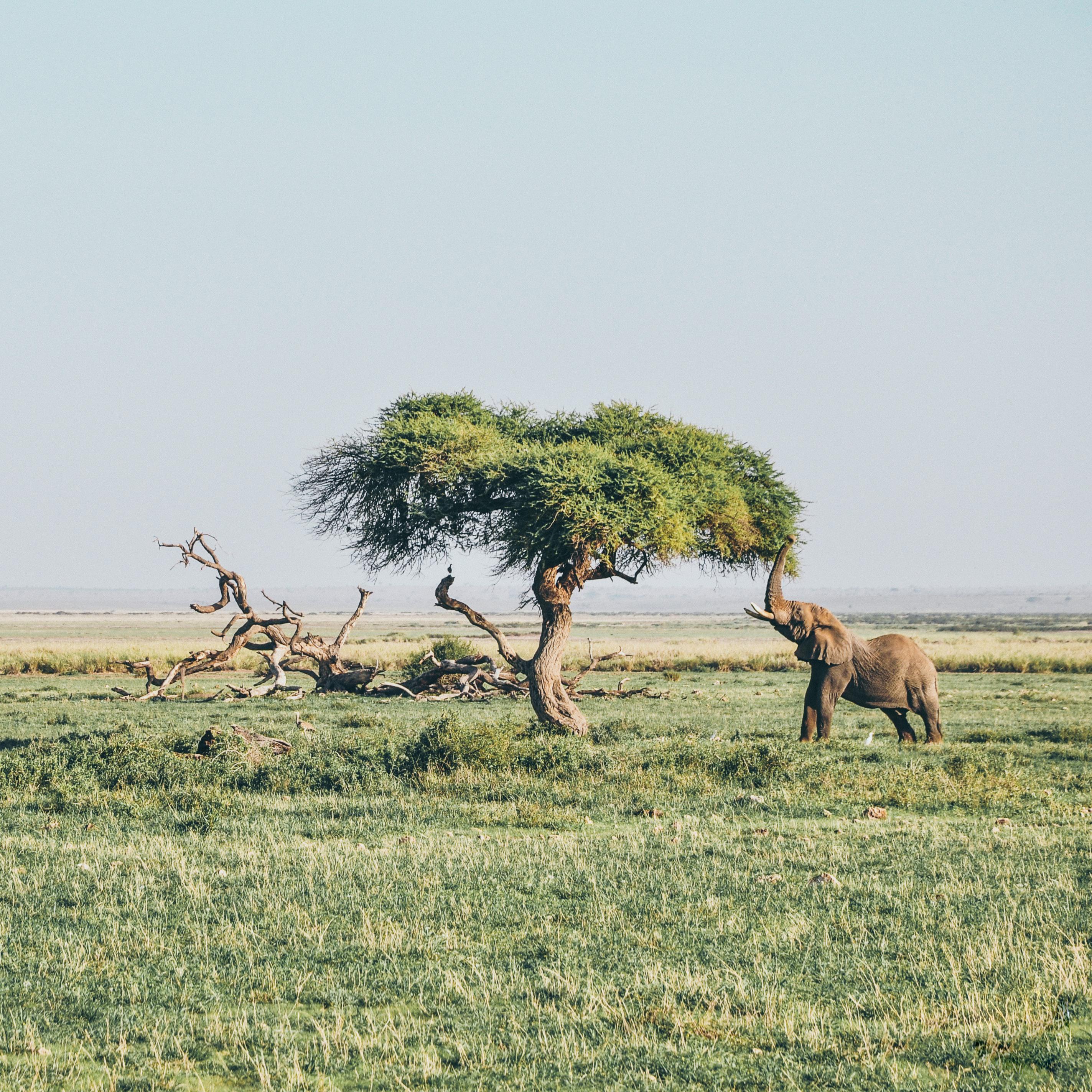
That’s as fast as a bullet train in Japan.

A school lesson leads to more precise measurements of the extinct megalodon shark, one of the largest fish ever.

Is the physical universe independent from us, or is it created by our minds, as suggested by scientist Robert Lanza?
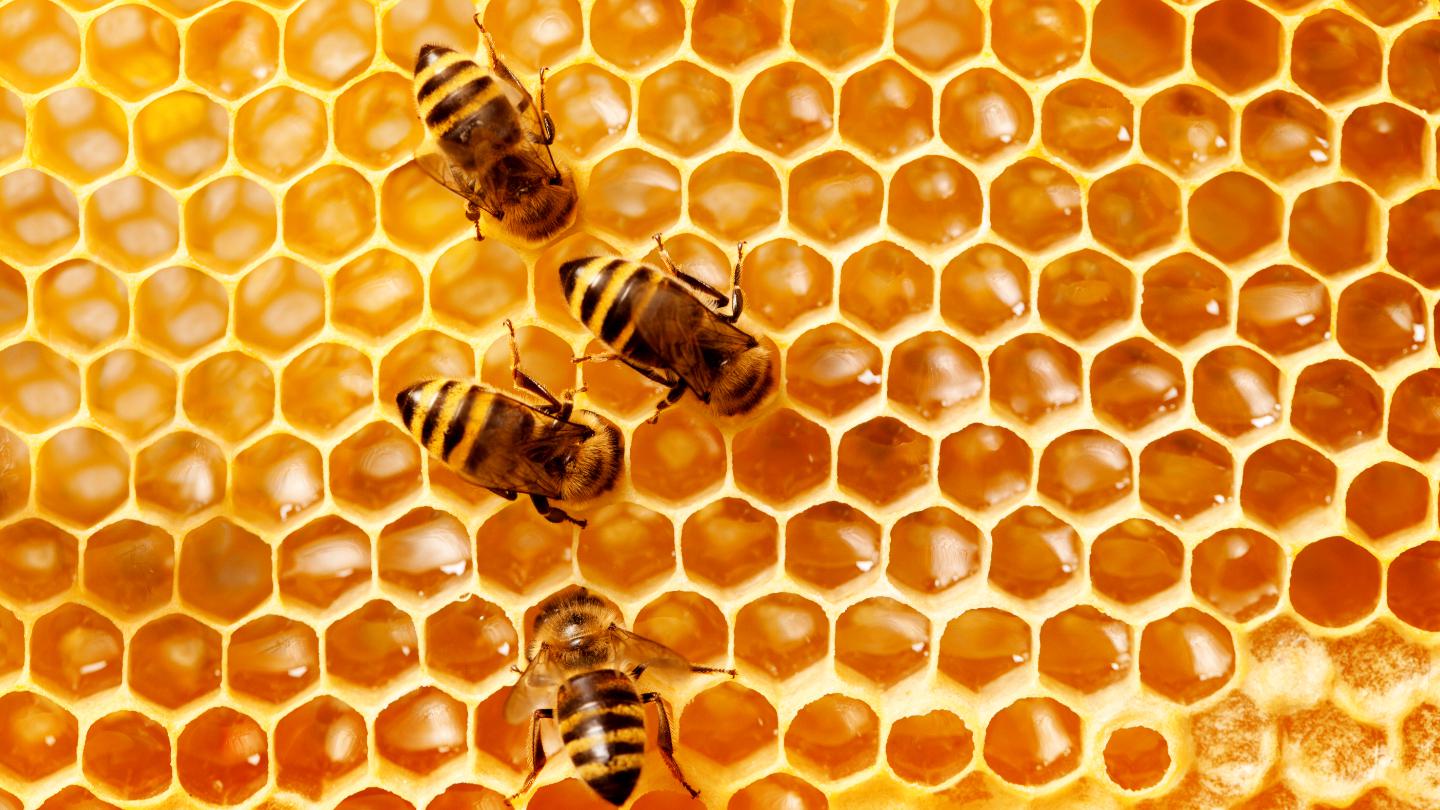
Researchers develop a fungus that kills mites that contribute to honey bee Colony Collapse Disorder.
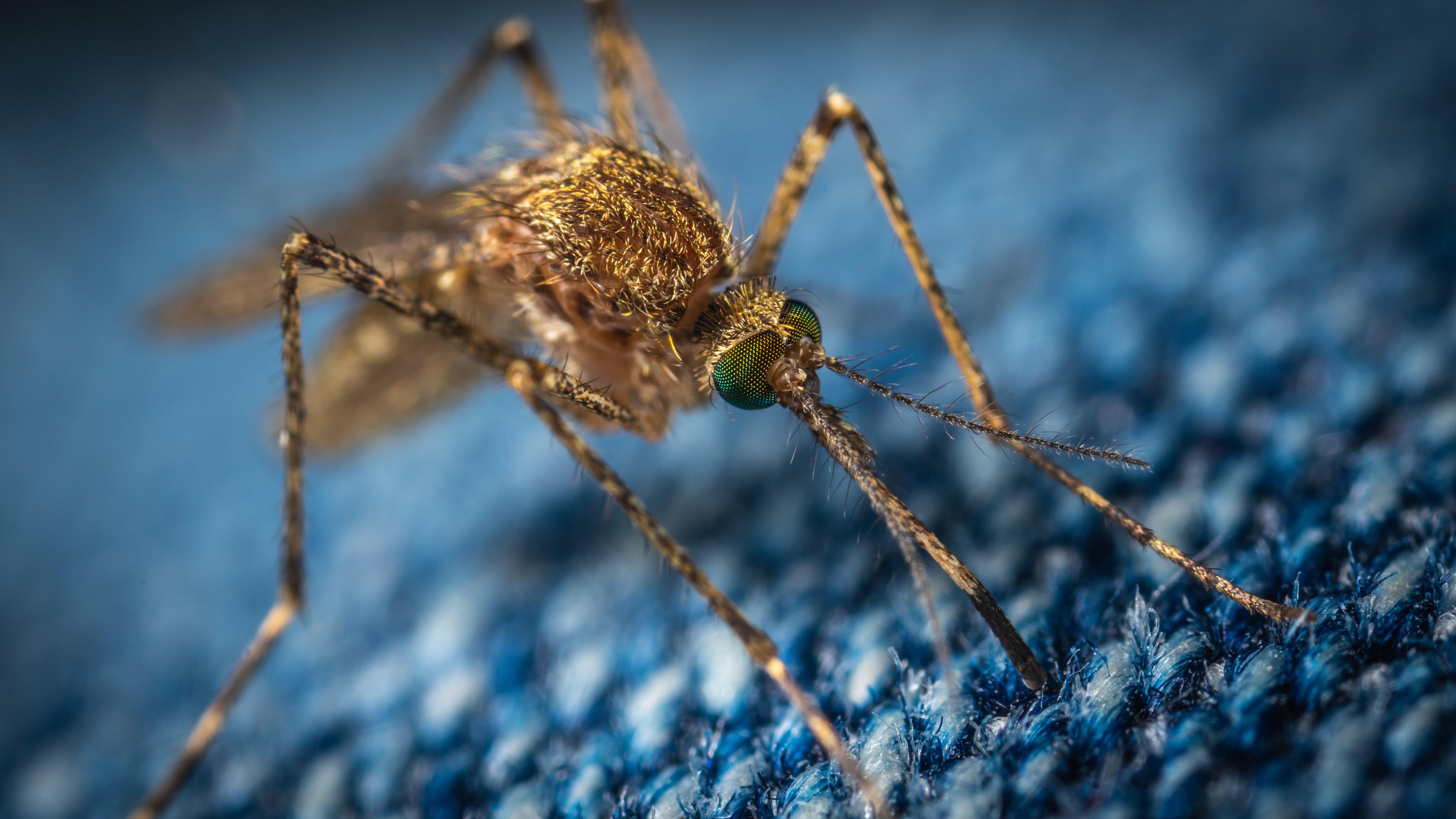
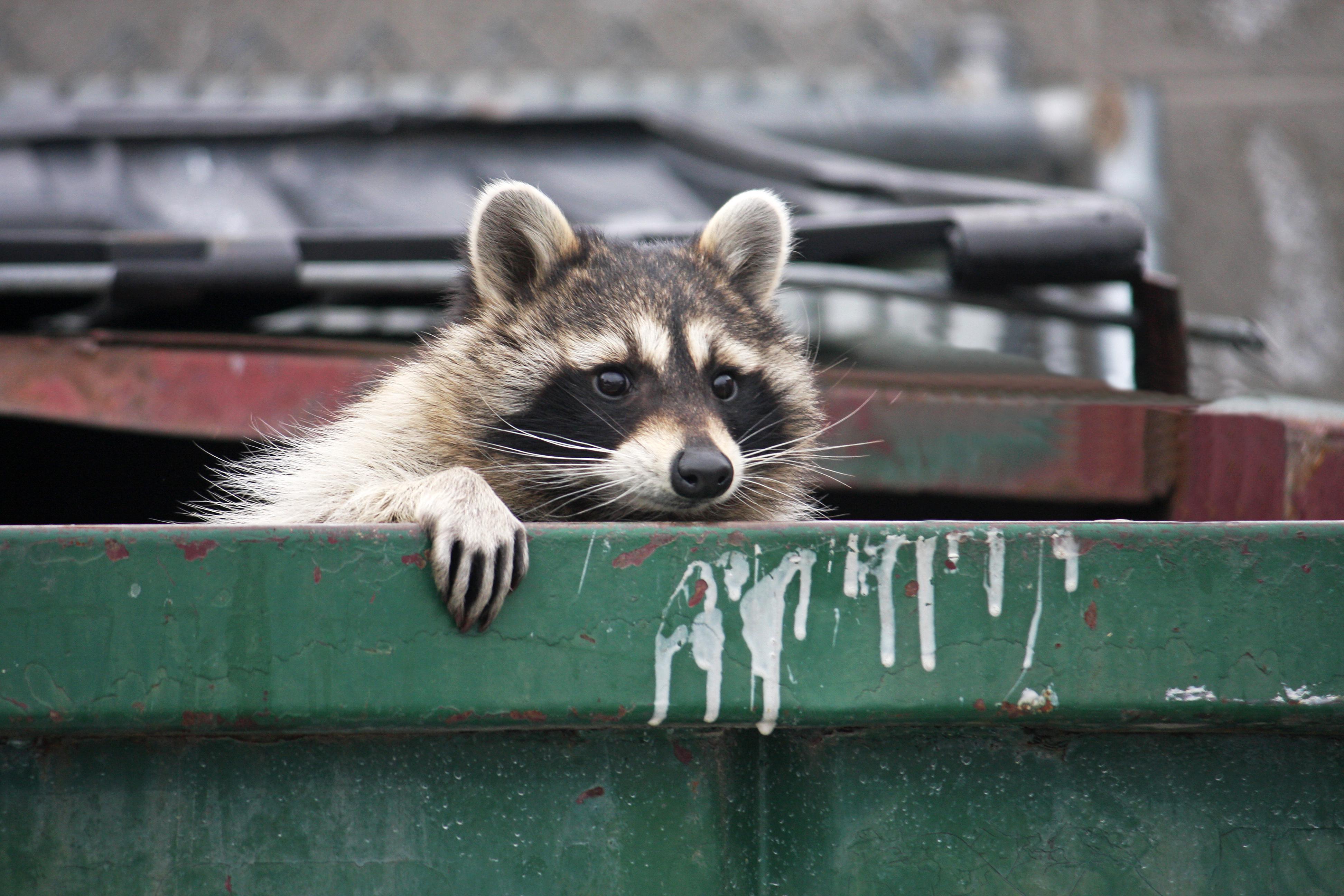
Some wild animals thrive near humans, but only up to a point.

Scientists successfully trained people to use robotic extra thumbs, suggesting body augmentation could revolutionize future humans.
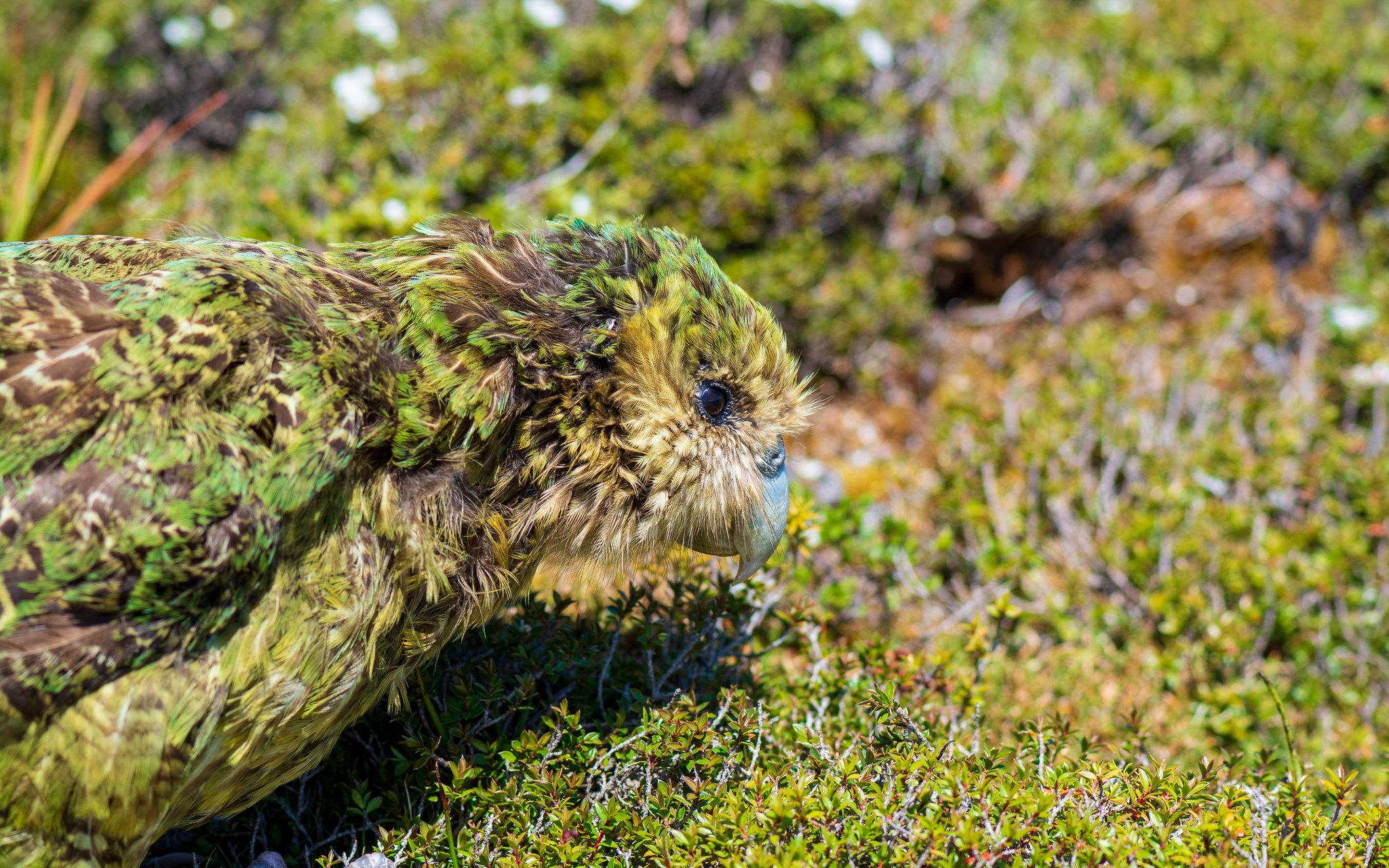
The Vertebrate Genomes Project may spell good news for the kakapo and the vaquita.

Like autism, ADHD lies on a spectrum, and some children should not be treated.

“The question is which are okay, which are not okay.”
▸
14 min
—
with
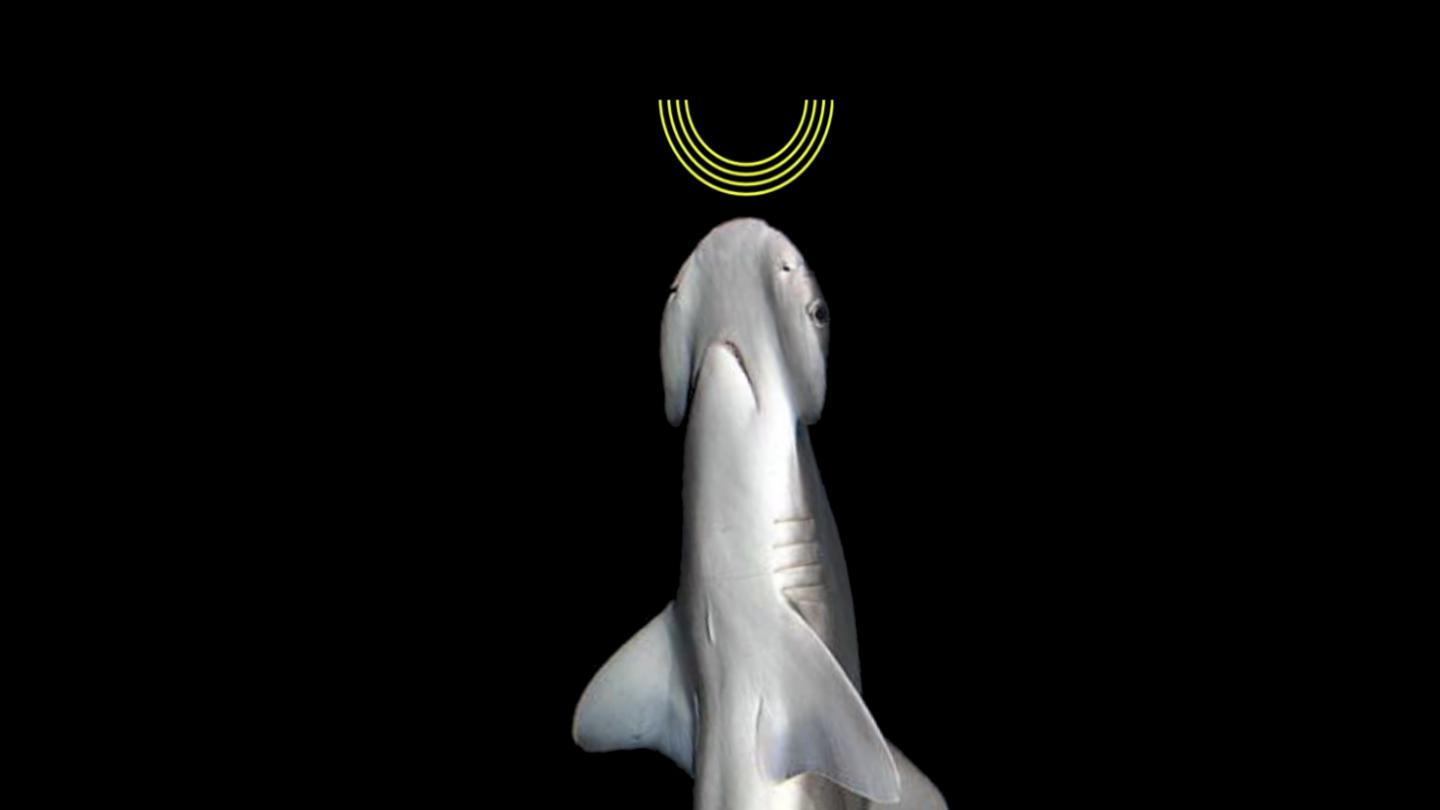
A simple trick allowed marine biologists to prove a long-held suspicion.
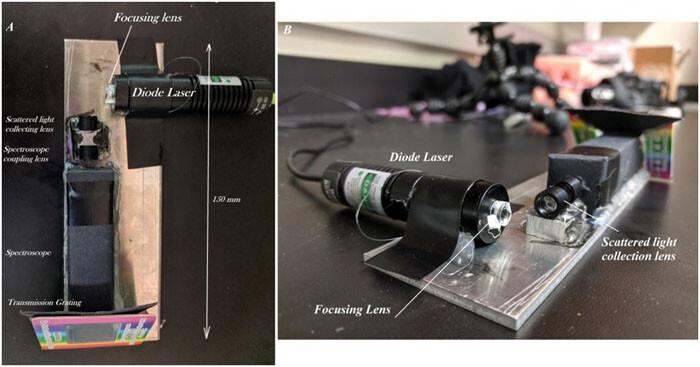
A team of scientists managed to install onto a smartphone a spectrometer that’s capable of identifying specific molecules — with cheap parts you can buy online.

Humans may have evolved to be tribalistic. Is that a bad thing?
▸
17 min
—
with

This spring, a U.S. and Chinese team announced that it had successfully grown, for the first time, embryos that included both human and monkey cells.

Neuroplasticity is a major driver of learning and memory in humans.

The potential of CRISPR technology is incredible, but the threats are too serious to ignore.
▸
14 min
—
with
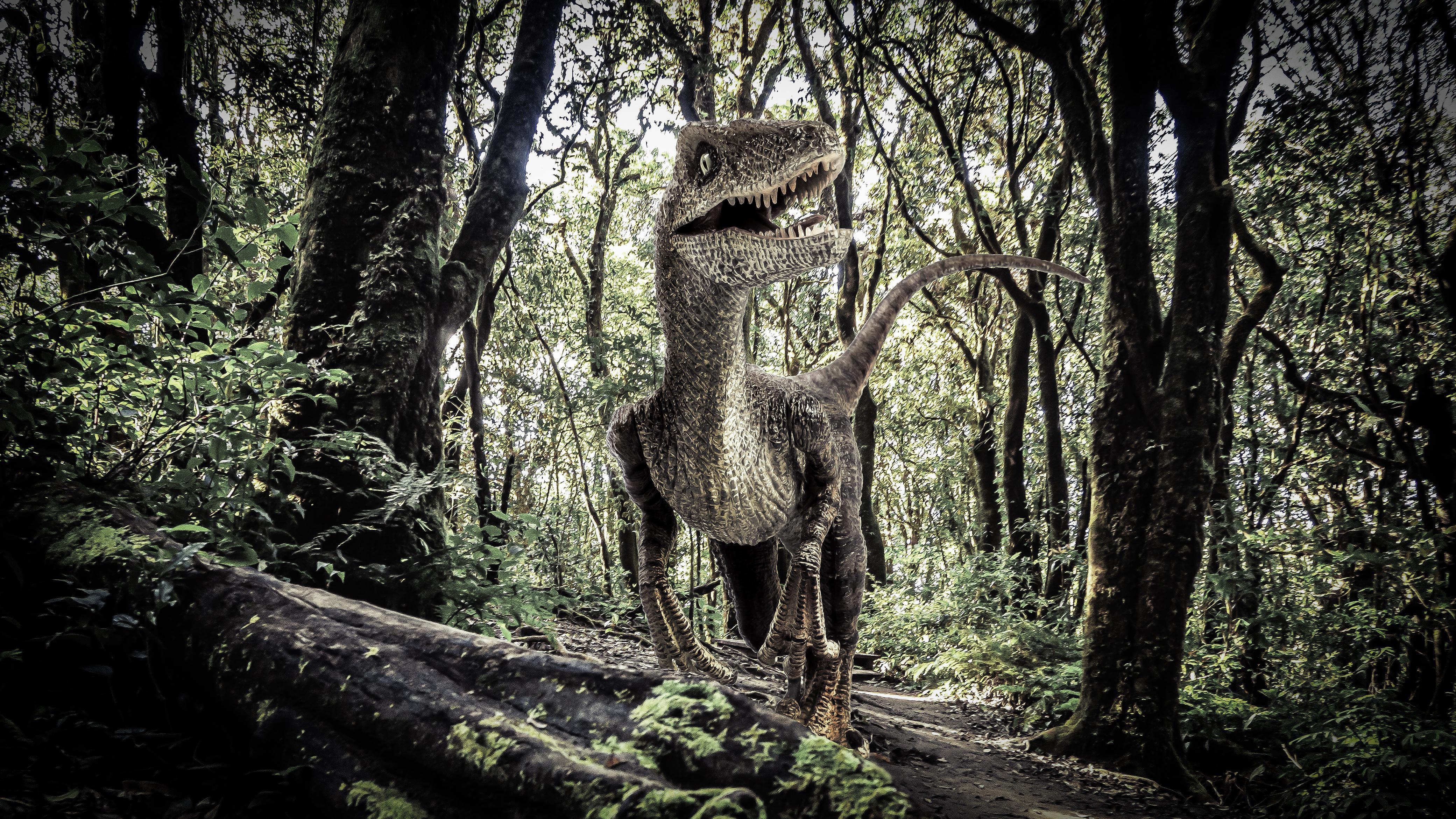
The lush biodiversity of South America’s rainforests is rooted in one of the most cataclysmic events that ever struck Earth.
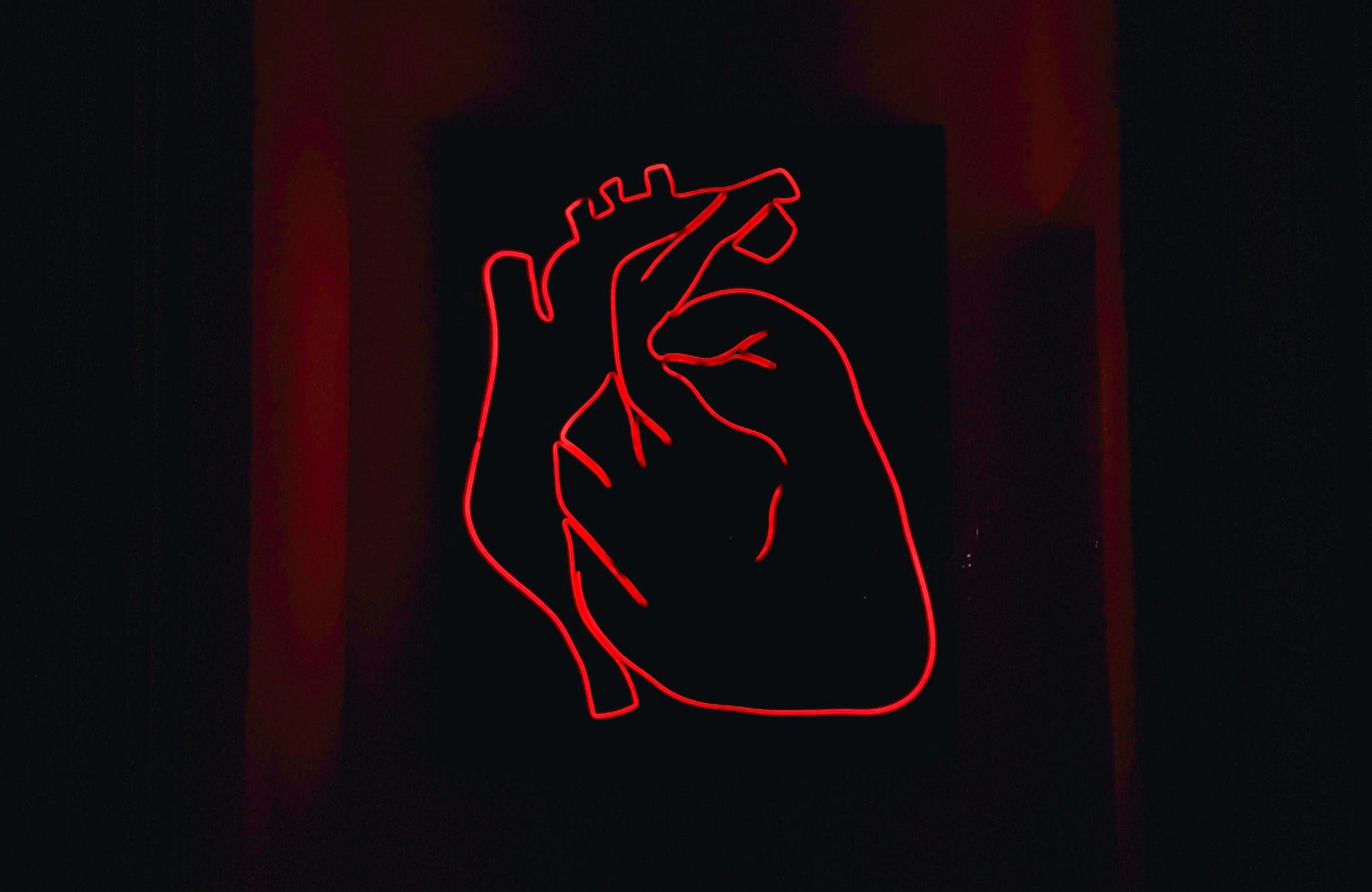
Awareness of one’s own heartbeat has some positive effects.
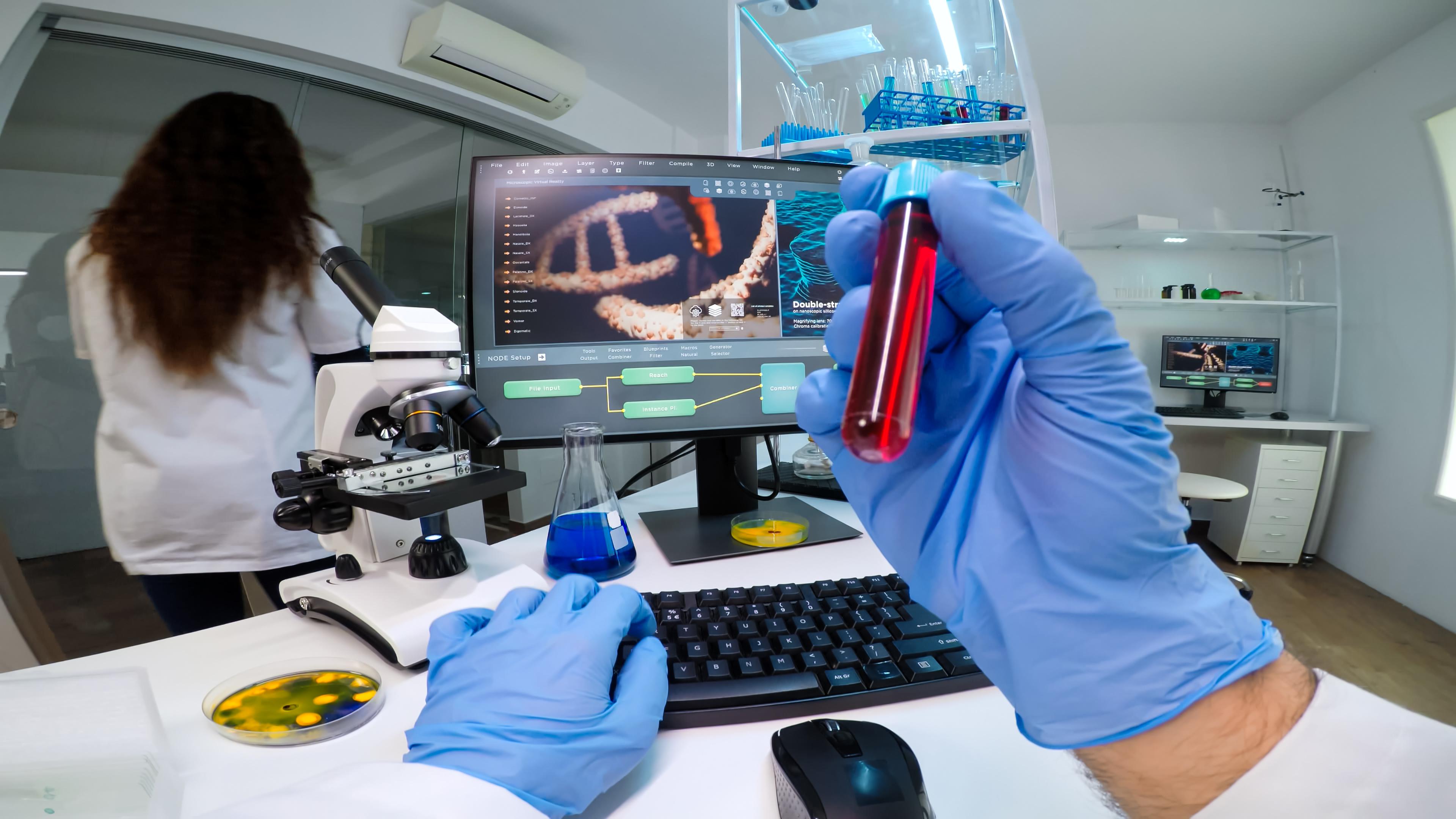
The retraction crisis has morphed into a citation crisis.
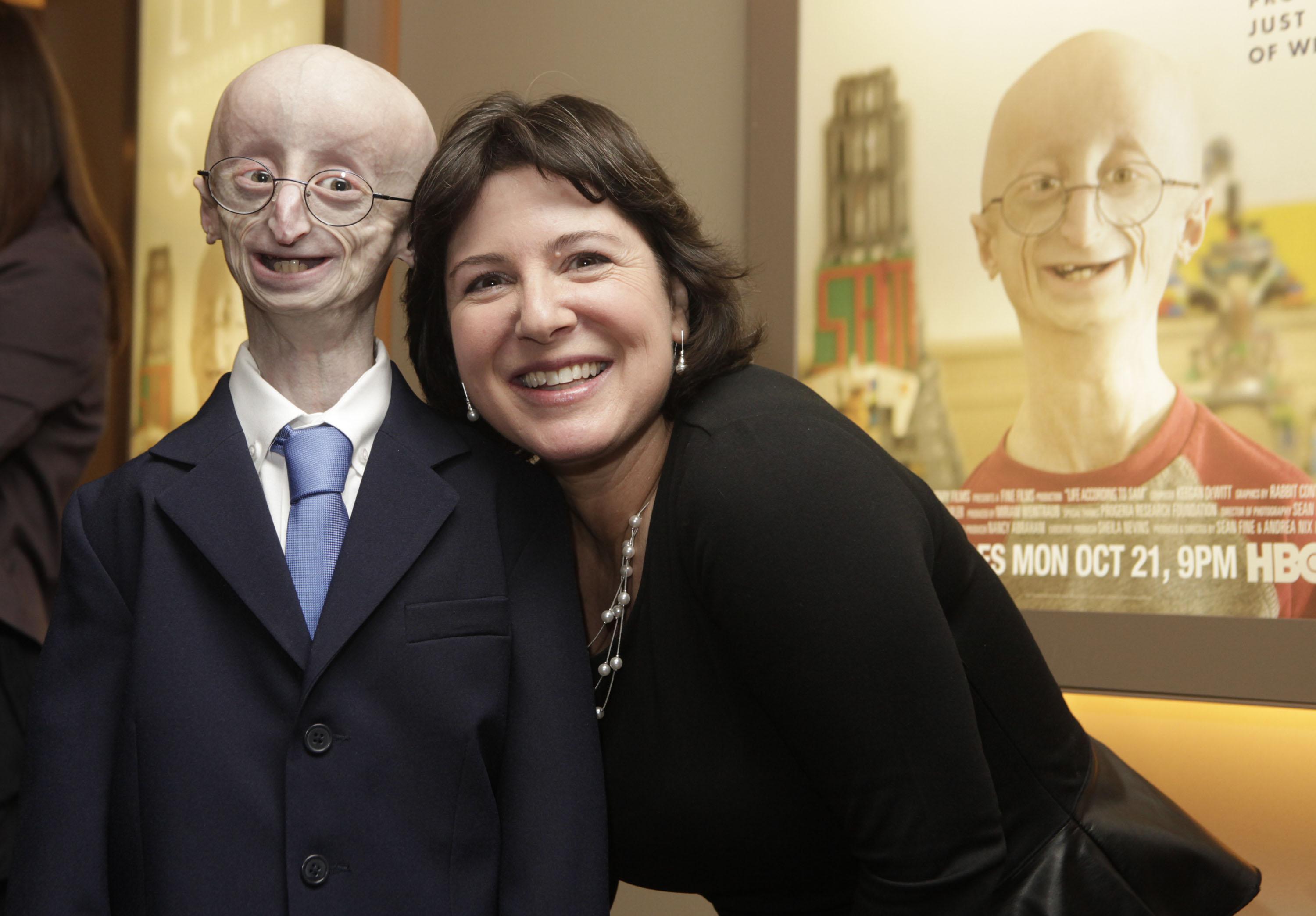
The new treatment targets the underlying genetic cause of the disease.
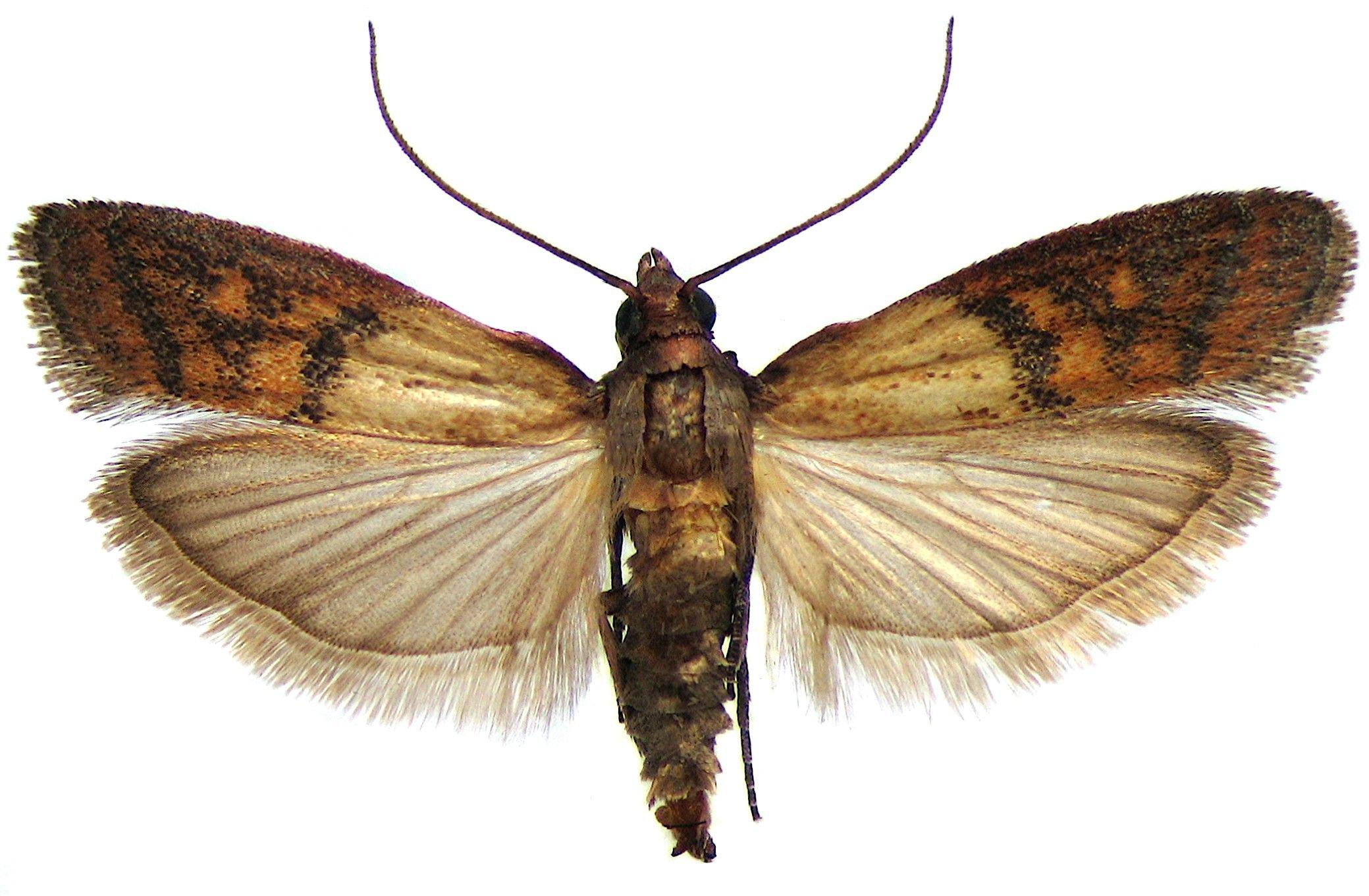
Biologists use commonly-found insects that engage in cannibalism to prove a key evolutionary concept.

Philosophers, theoretical physicists, psychologists, and others consider what or who is really in control.
▸
19 min
—
with
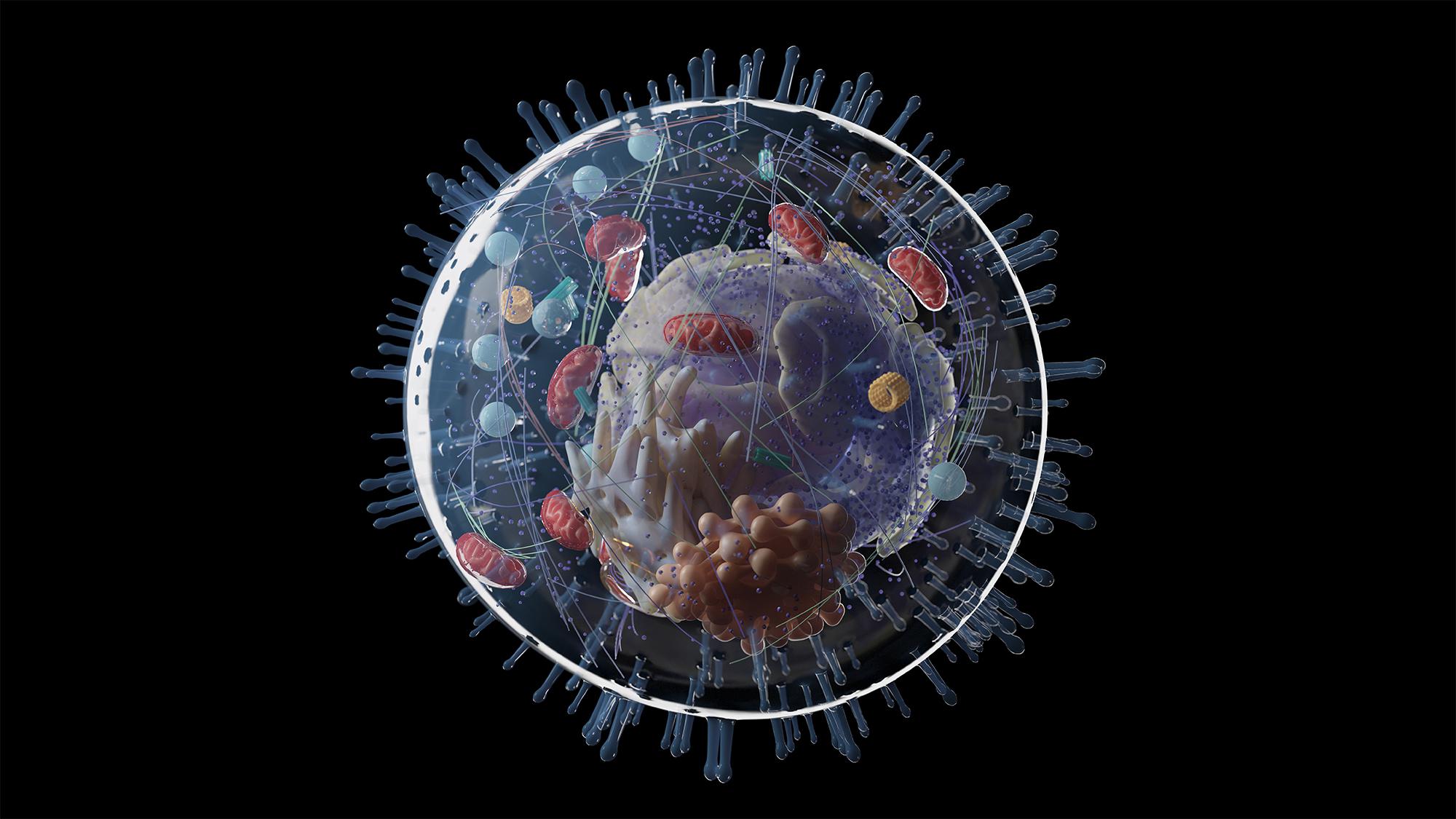
75 years after Erwin Schrödinger’s prescient description of something like DNA, we still don’t know the “laws of life.”

How do you get usable phosphorus into a system? A new study suggests lightning can do the trick.

555-million-year-old oceanic creatures share genes with today’s humans, finds a new study.

Fossils of ancient creatures doing anything are rare. This one is absolutely unique.

Cotton mask fibers prove 33 percent more effective at blocking viruses in trials.