history
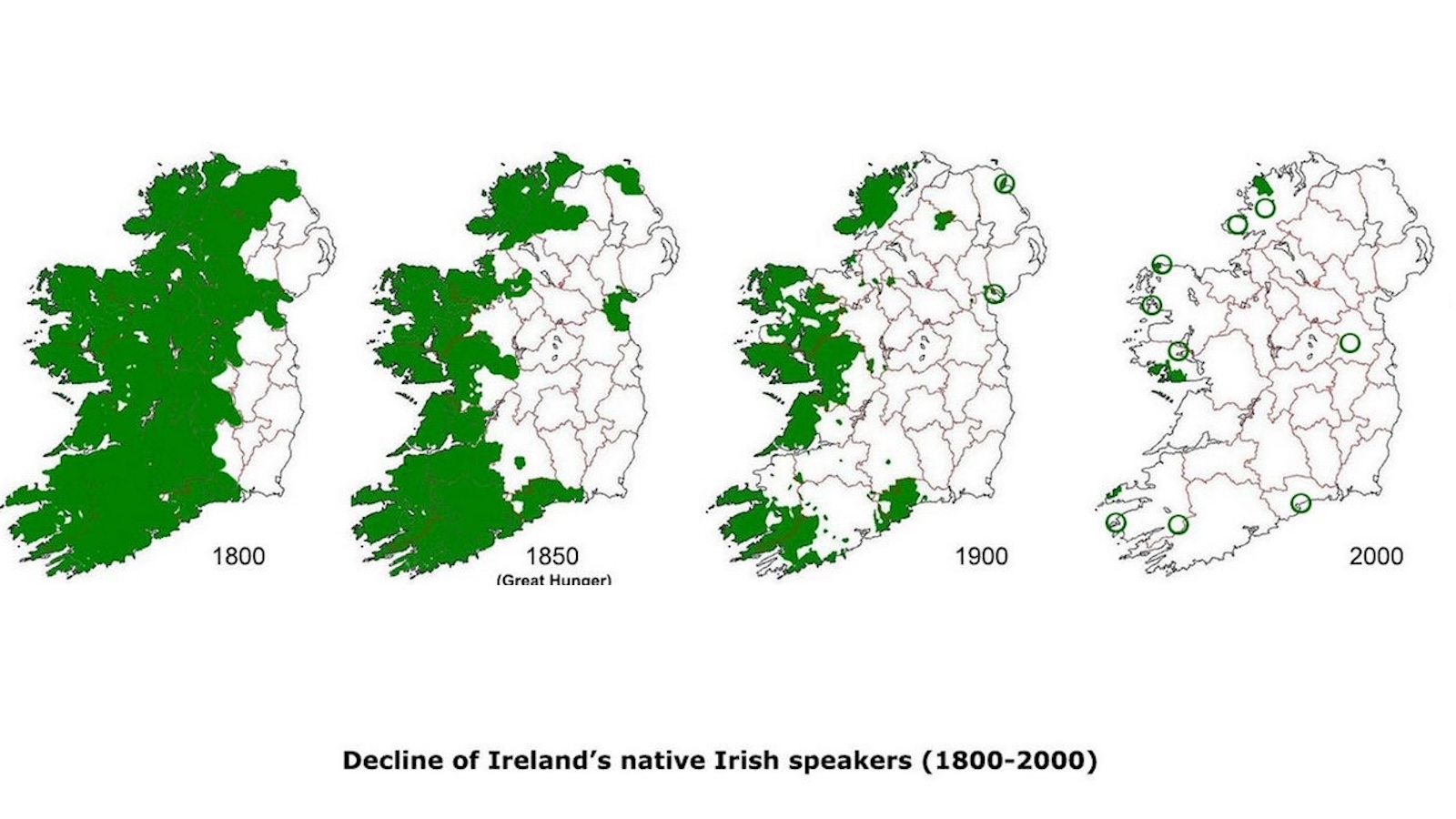
Gaeilge is trending culturally. So why is it, according to census data, also dying?
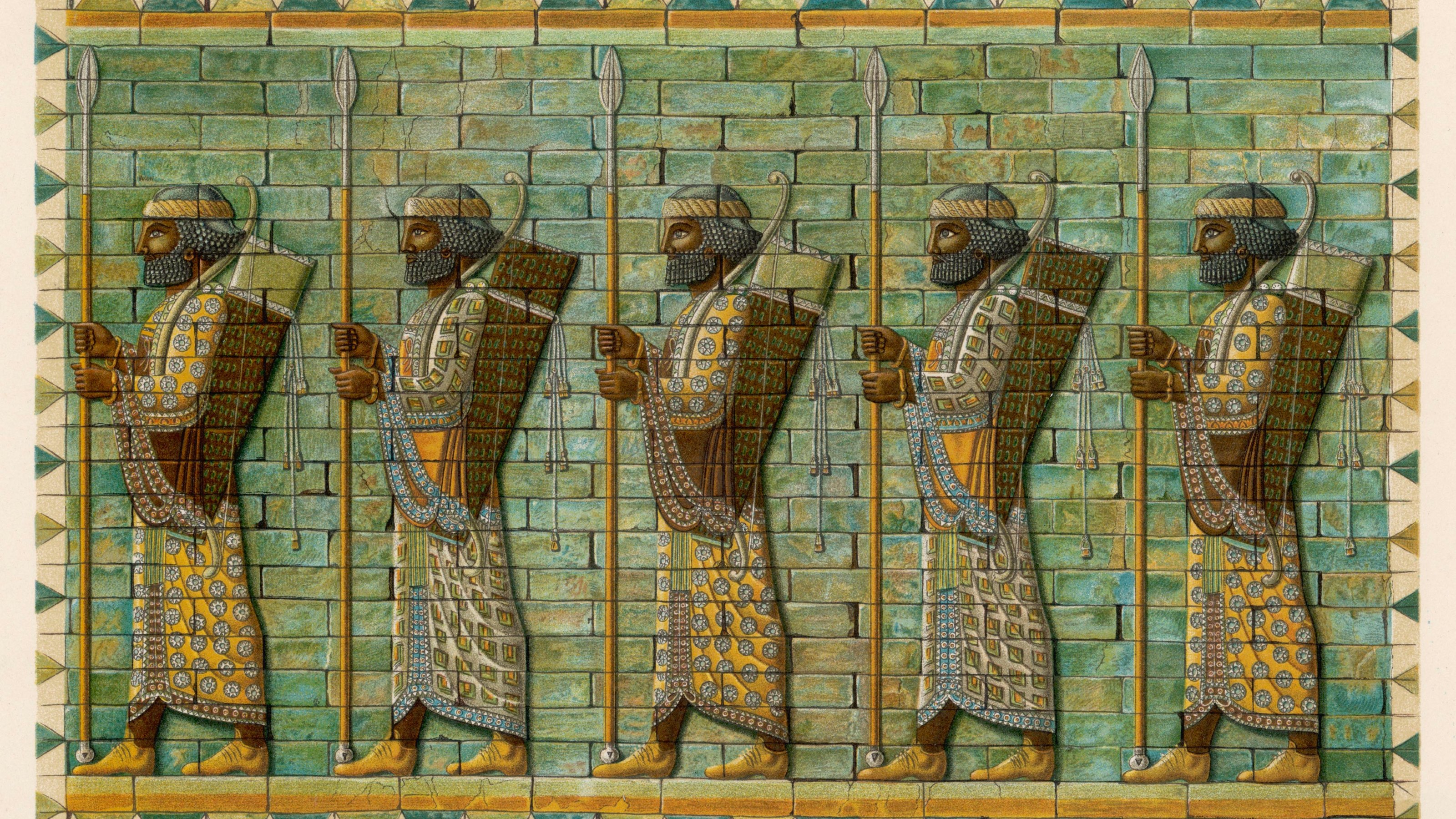
From landscaped gardens to road systems, the Persians were among the first to create many things we still enjoy today.

A firsthand look at China’s material progress and clean-tech revolution — and what could happen if we let an authoritarian state steer AI’s future.
The top priority was to maintain the agenda.
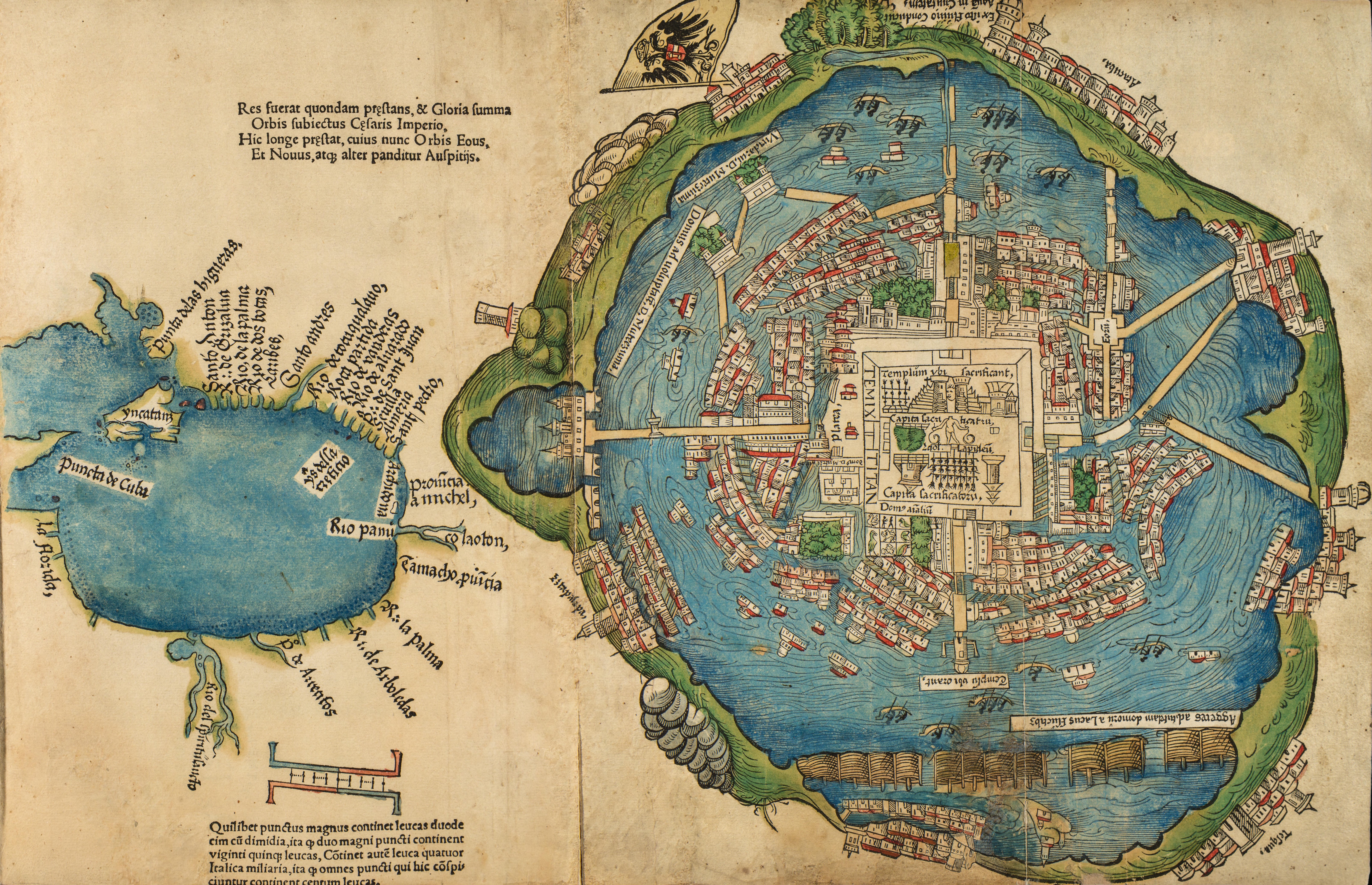
This 1524 map of the Aztec capital was a window into an exotic otherworld — and largely a fiction.
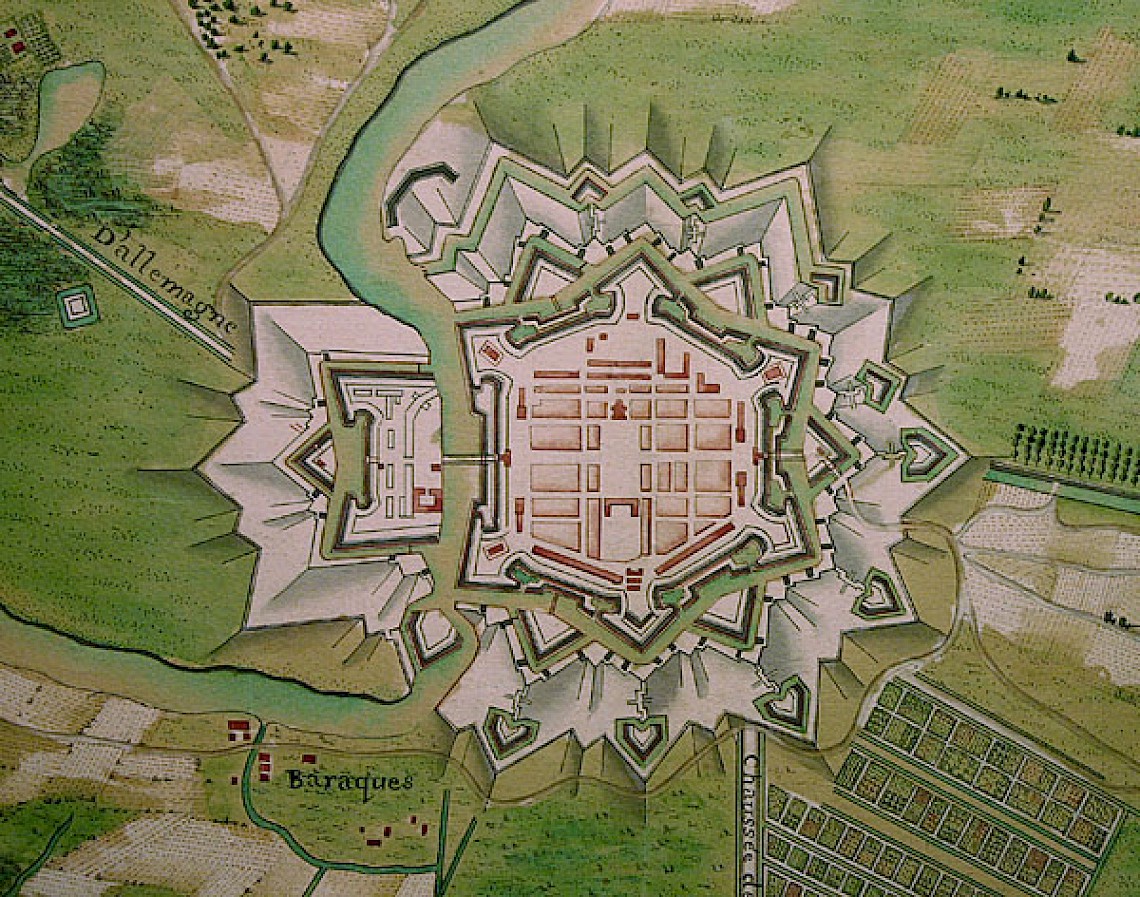
First rising in the 15th century, these forts sought to counter a deadly innovation in military technology.
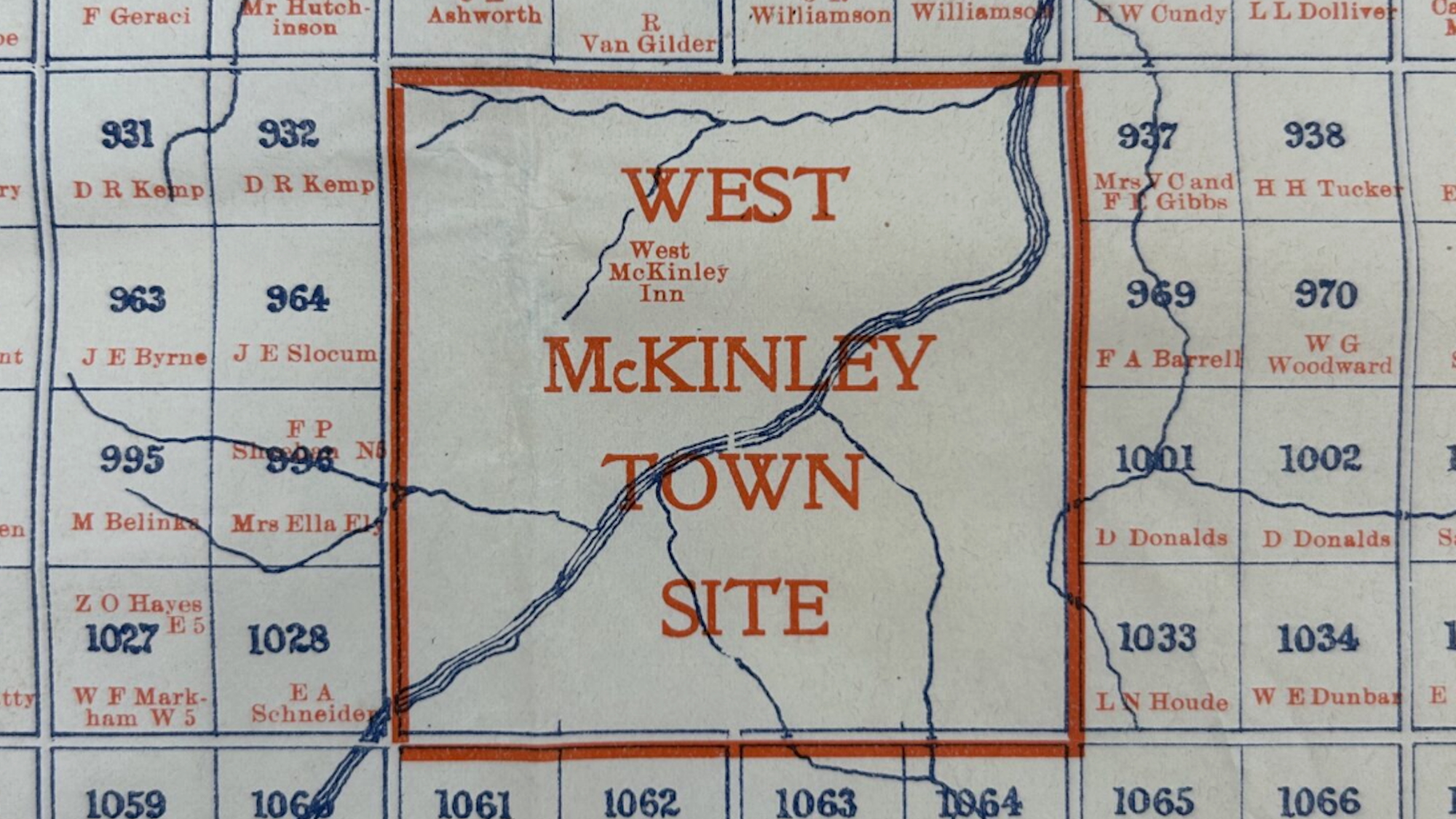
A century ago, an American colony named after Trump’s favorite president was thriving on the Isle of Pines. Then came hurricanes and geopolitical reality.
In this excerpt from The Laws of Thought, Tom Griffiths shares how George Boole developed a mathematical theory of logic.
AI is not a rupture in history, but a continuation of intelligence emerging where information becomes systematically arranged.
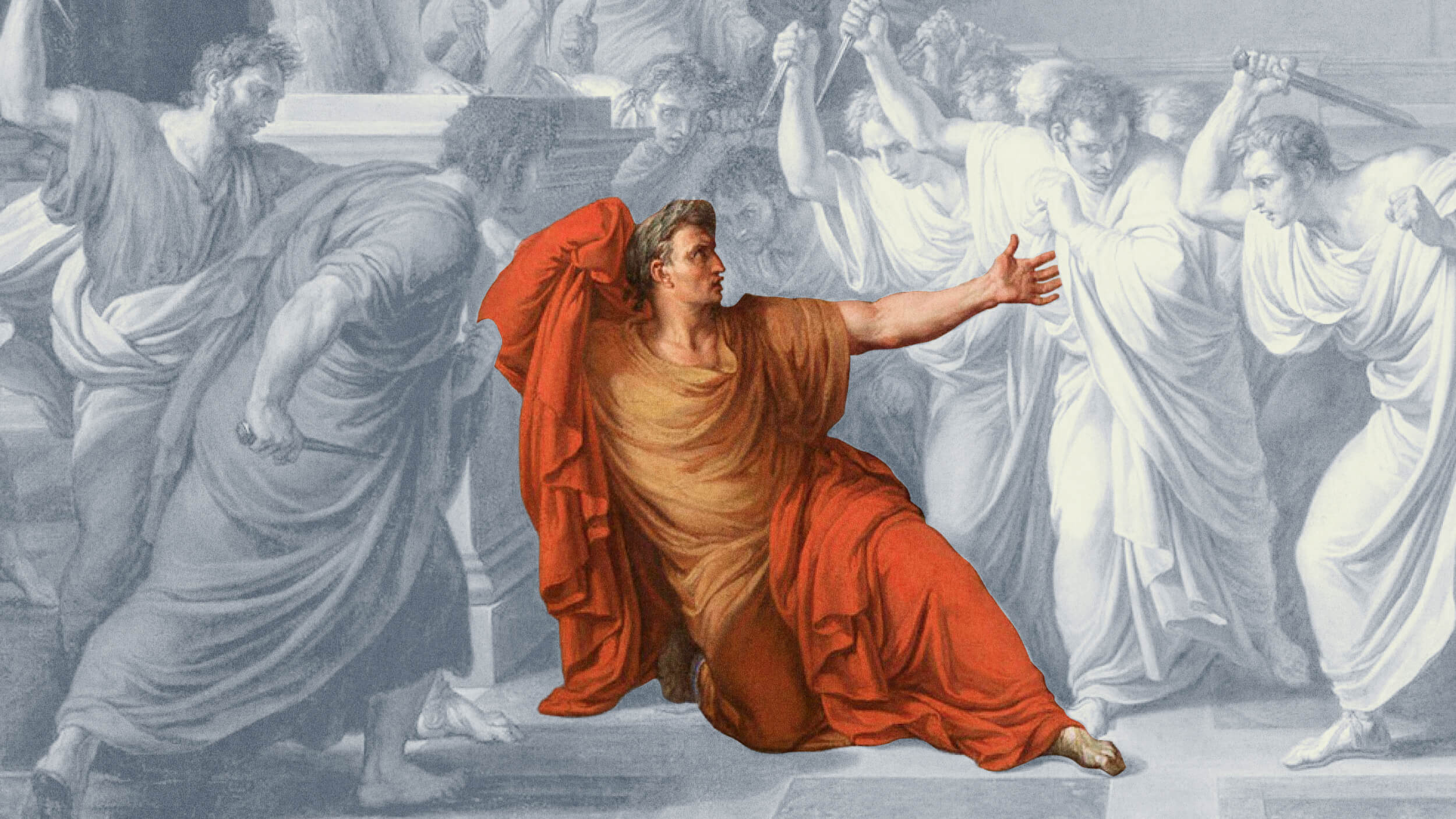
Julius Caesar conquered Gaul but his emotional intelligence was pitiful — and there’s plenty we can learn from his leadership deficiencies.

The revival of Pasto Varnish shows how living heritage can survive if knowledge is passed on in time.

For elite climbers, divers, and explorers, mastery can fuel an escalation loop in which identity and danger rise together.
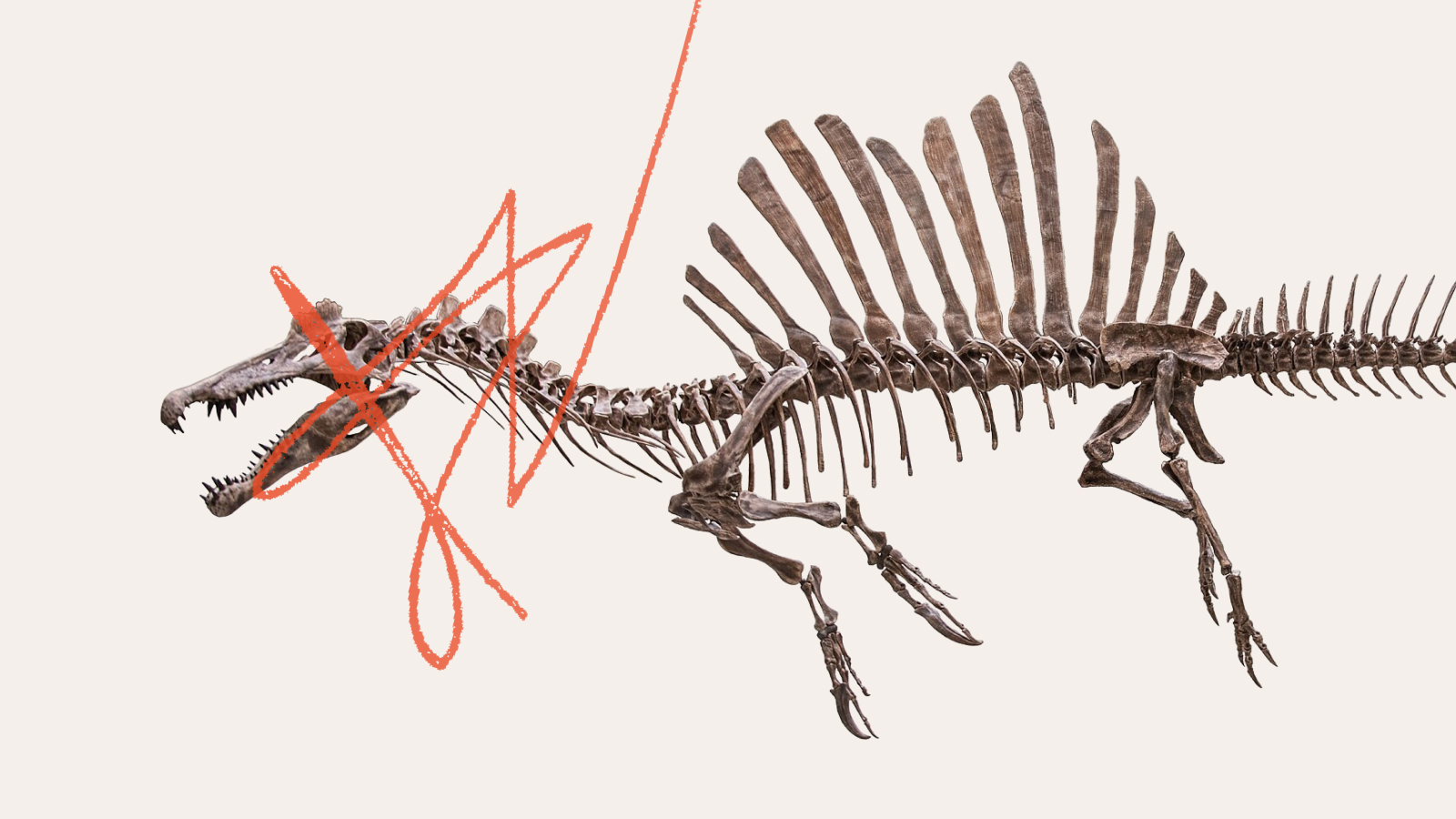
Ernst Stromer discovered Spinosaurus in Egypt. His fossils were destroyed in WWII, yet still shape how we imagine this mysterious dinosaur today.
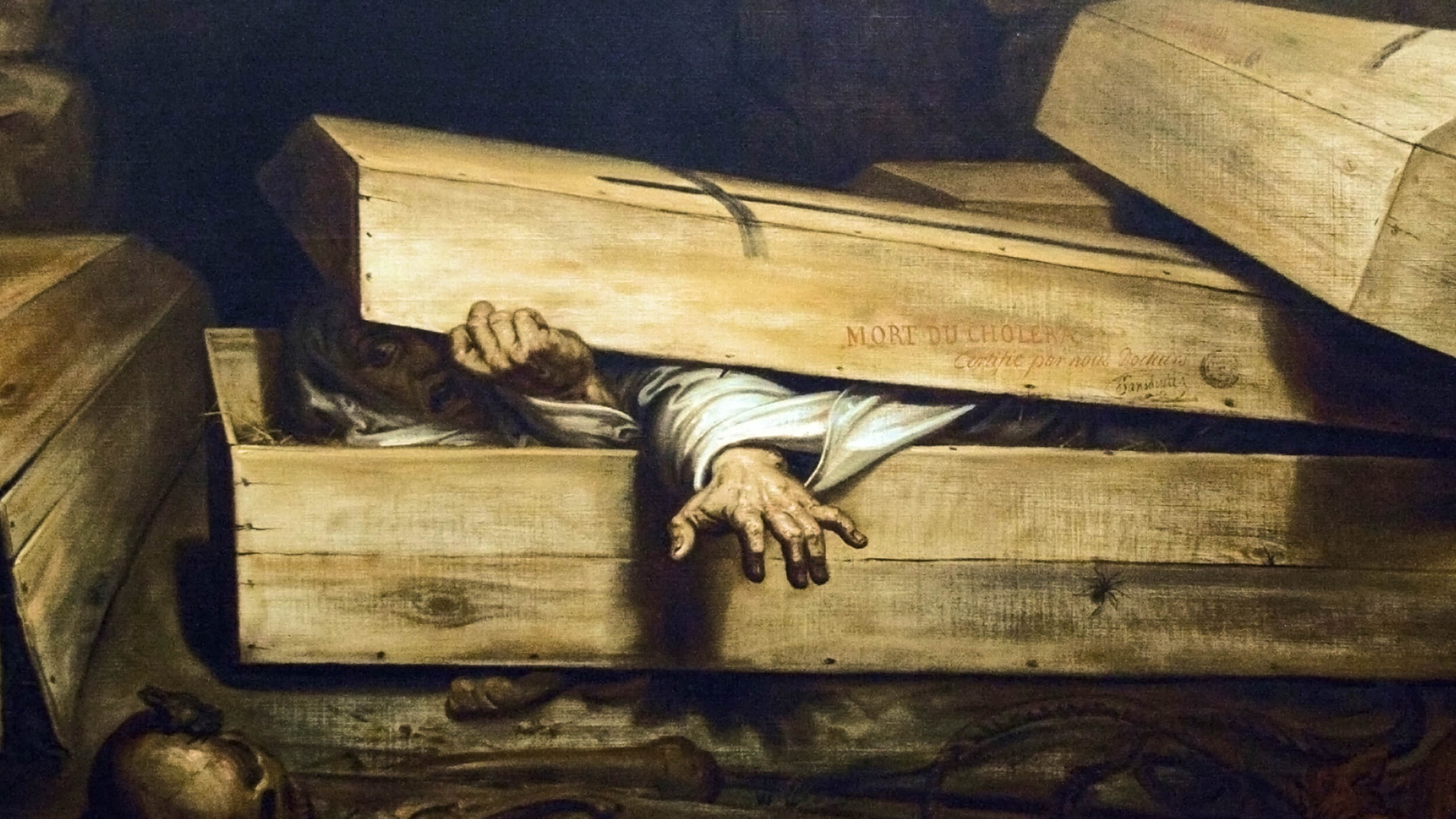
Today, nostalgia is somewhat kitsch. Back then, it was something to be feared.

A tour of the literary cover-ups, extraterrestrials, and cryptids lurking in the bookish backwoods.
The deep study of friction and surfaces — so crucial to industrial manufacture — emerged from a mid-century engineering conference.
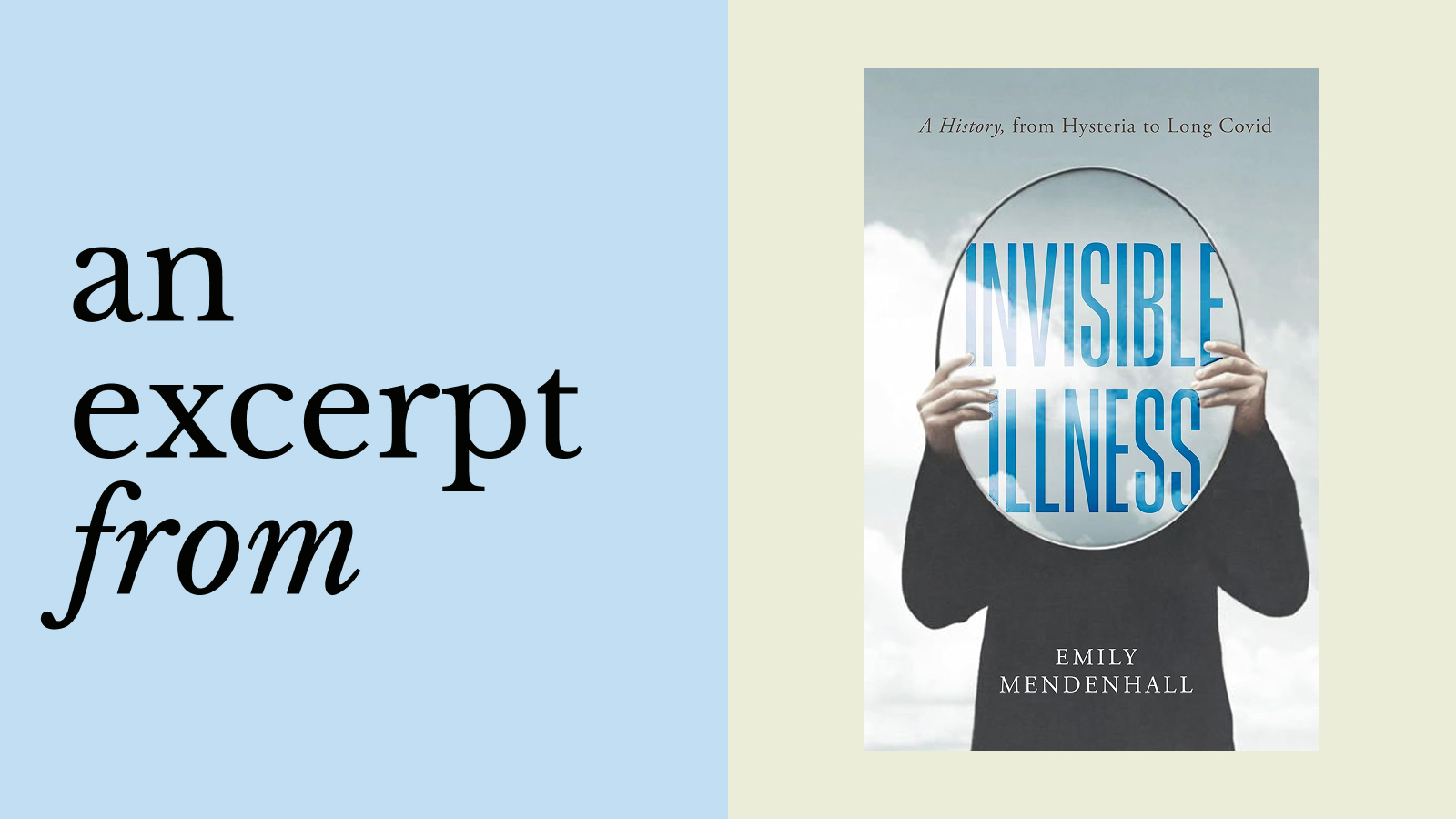
Emily Mendenhall traces the medical myths, gender bias, and neurological truths behind hysteria, one of history’s most damaging diagnoses.
Joel Miller, the author of “The Idea Machine,” joins us to explore why books are history’s most successful information technology.

Scientists found a massive underwater wall off the coast of France that might help explain the origin of the legend of Ys.
Handled right, AI has potential to bring back middle-skill jobs lost to the rise of computers, economists argue. Or, like the mechanized mills of the past, it could toss whole sectors out of work.

Well before plants and animals, there were fungi.
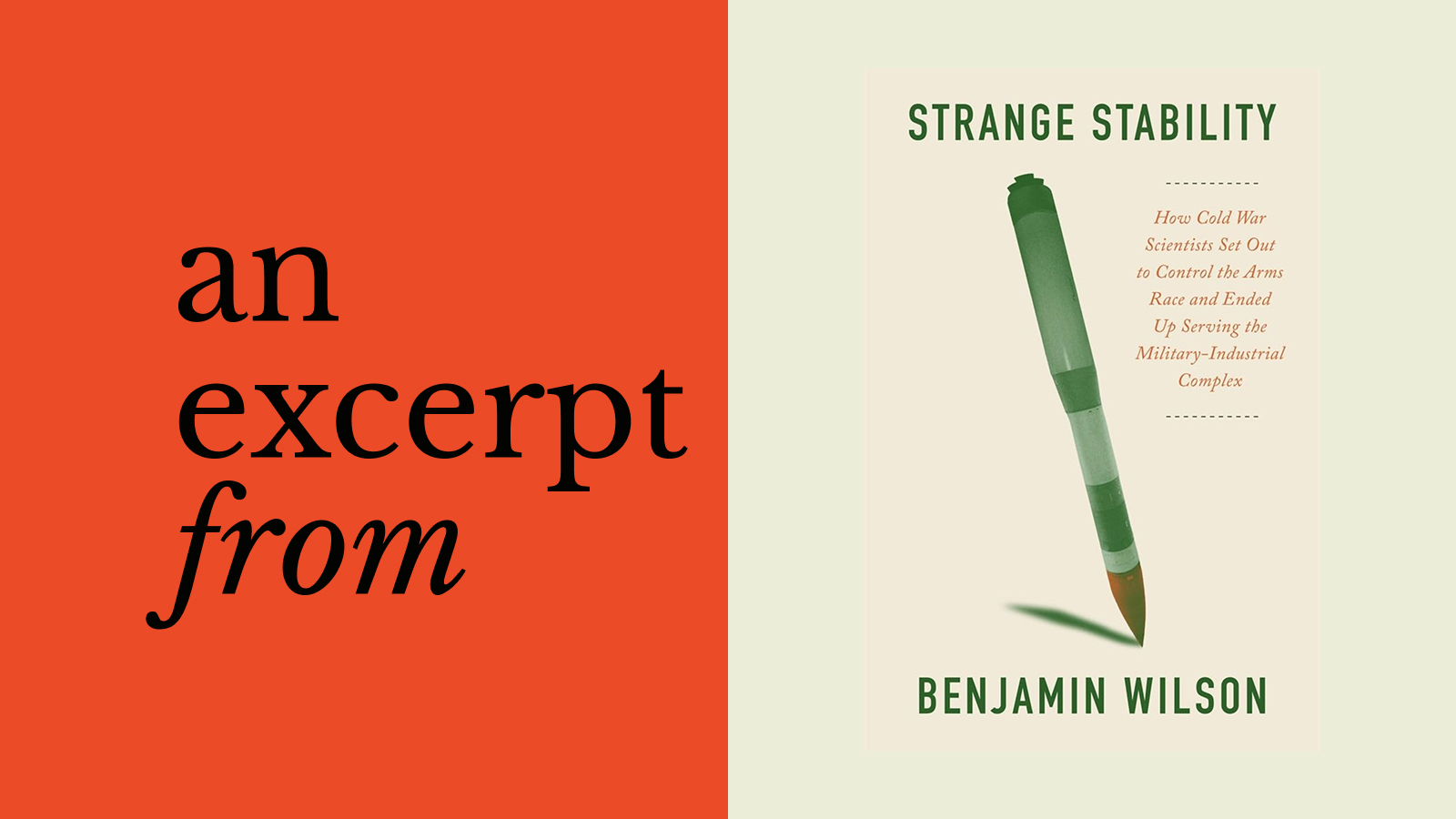
In this excerpt from “Strange Stability,” Benjamin Wilson explores how the concept of “deterrence” went from explaining criminal behavior to becoming a nuclear strategy.
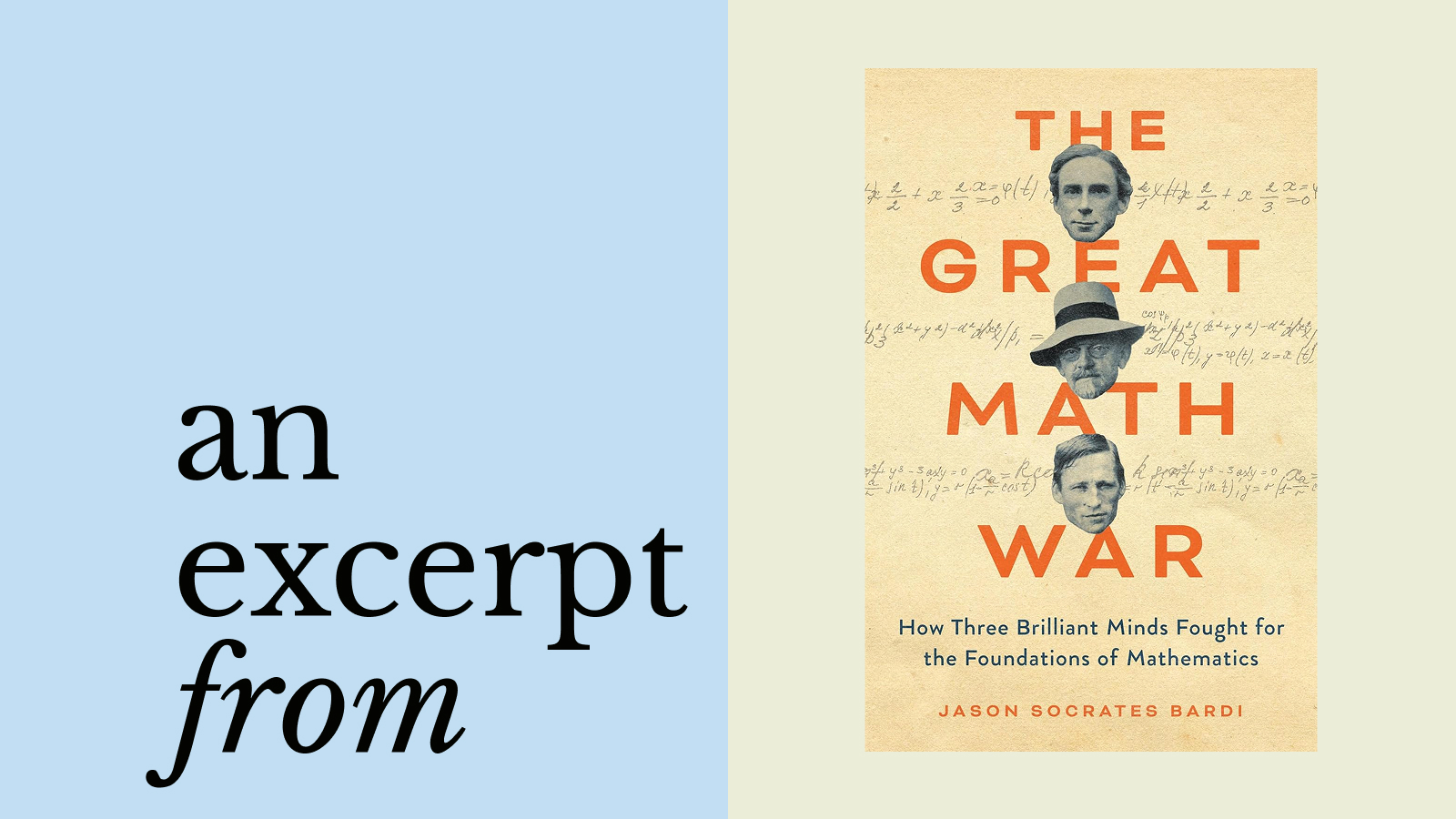
In this excerpt from “The Great Math War,” Jason Socrates Bardi explores how Georg Cantor revolutionized mathematics and reshaped how our finite minds conceived of the infinite.
Decades before COVID imposed remote work on the world, Jack Nilles pioneered WFH and championed its many benefits.

Preindustrial life wasn’t simple or serene — it was filthy, violent, and short. The Industrial Revolution was imperfect, but it was progress.

Common law has long balanced innovation and accountability. Can it do the same for AI?
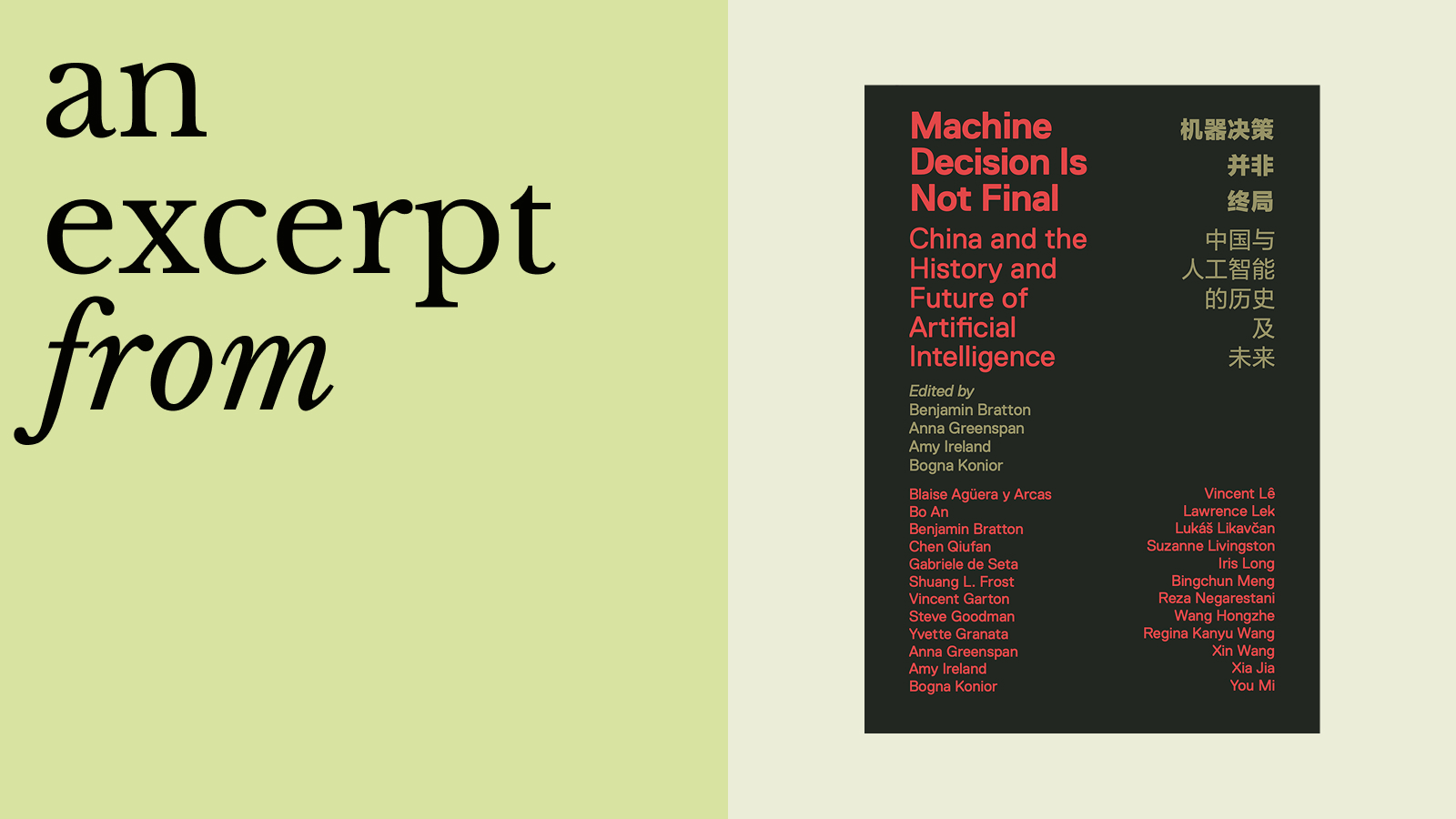
Leaders in China hope that AI and robotics can finally resolve the flaws of a centralized planned economy. But US technoculture has an edge.

In this excerpt from The Breath of the Gods, Simon Winchester explores how the Sumerians first named the wind and shaped our early understanding of the natural world.

Digital tools are pulling us away from fixed texts and back toward fluid, interactive communication.