culture
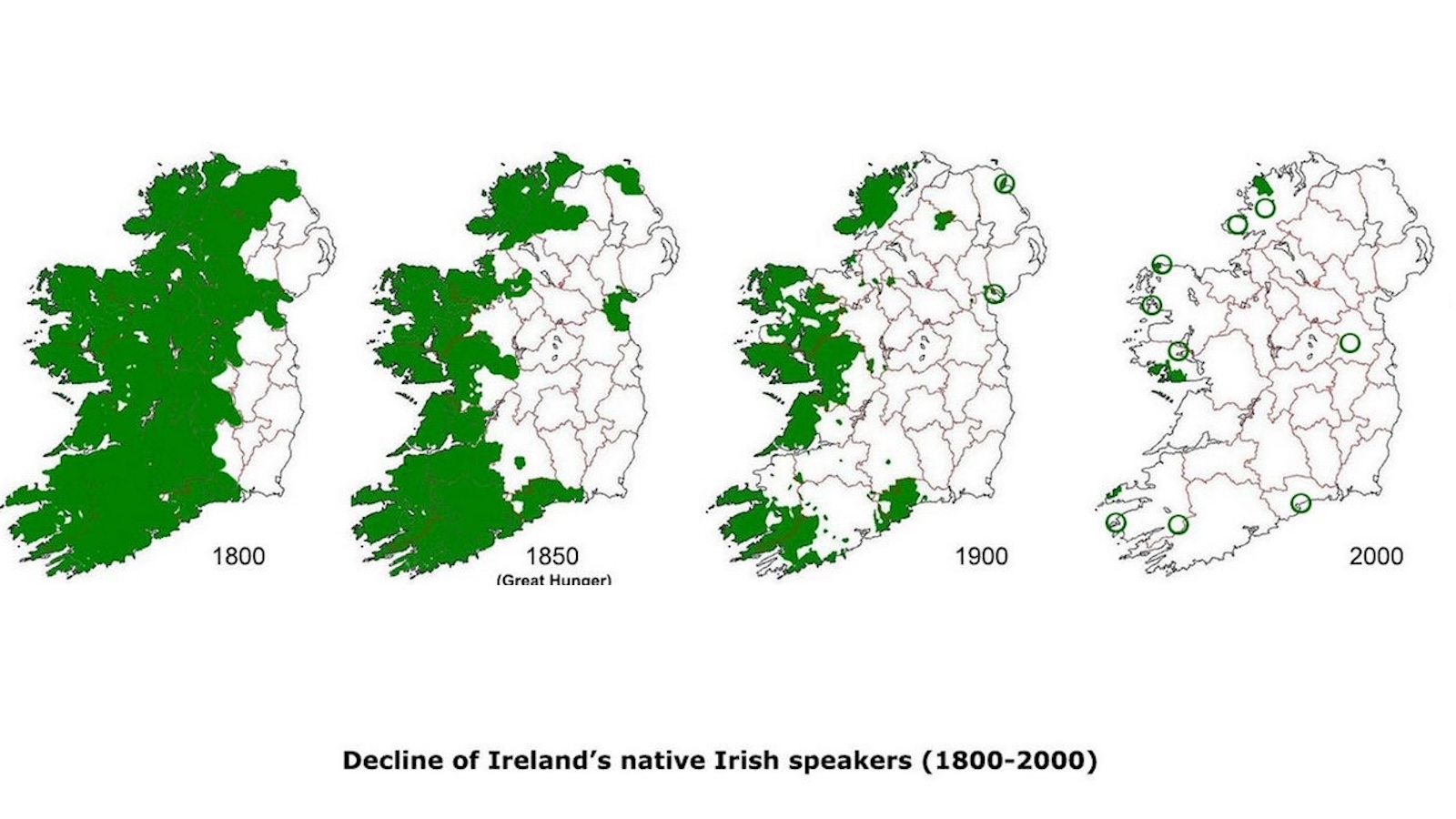
Gaeilge is trending culturally. So why is it, according to census data, also dying?
The top priority was to maintain the agenda.
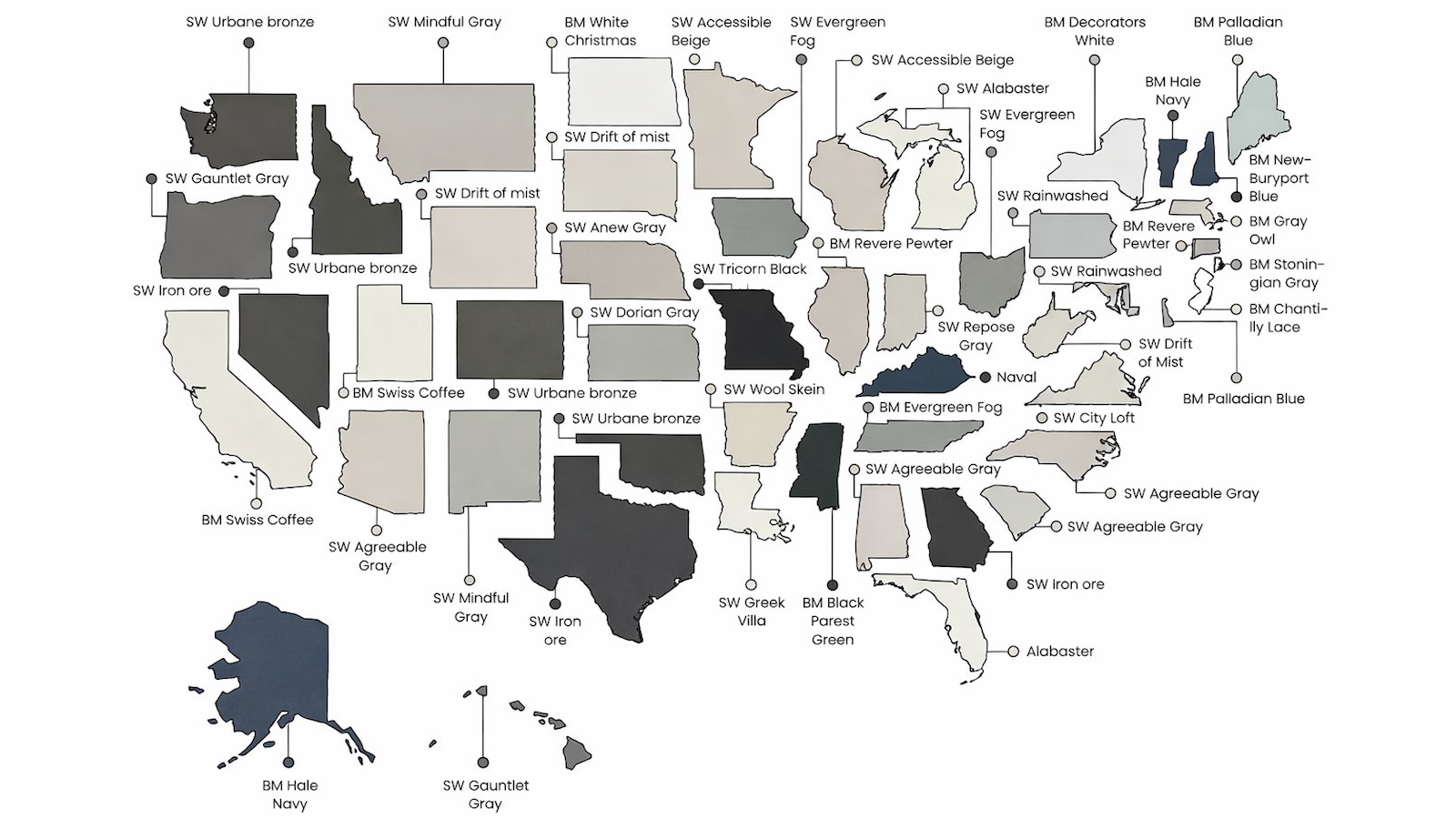
The ideology, economics, and psychology behind the modern world’s draining of color from homes, cars, and everyday objects.
AI is not a rupture in history, but a continuation of intelligence emerging where information becomes systematically arranged.

The revival of Pasto Varnish shows how living heritage can survive if knowledge is passed on in time.

Kaizen taught me that tiny, consistent changes can be more powerful than dramatic overhauls.

A tour of the literary cover-ups, extraterrestrials, and cryptids lurking in the bookish backwoods.
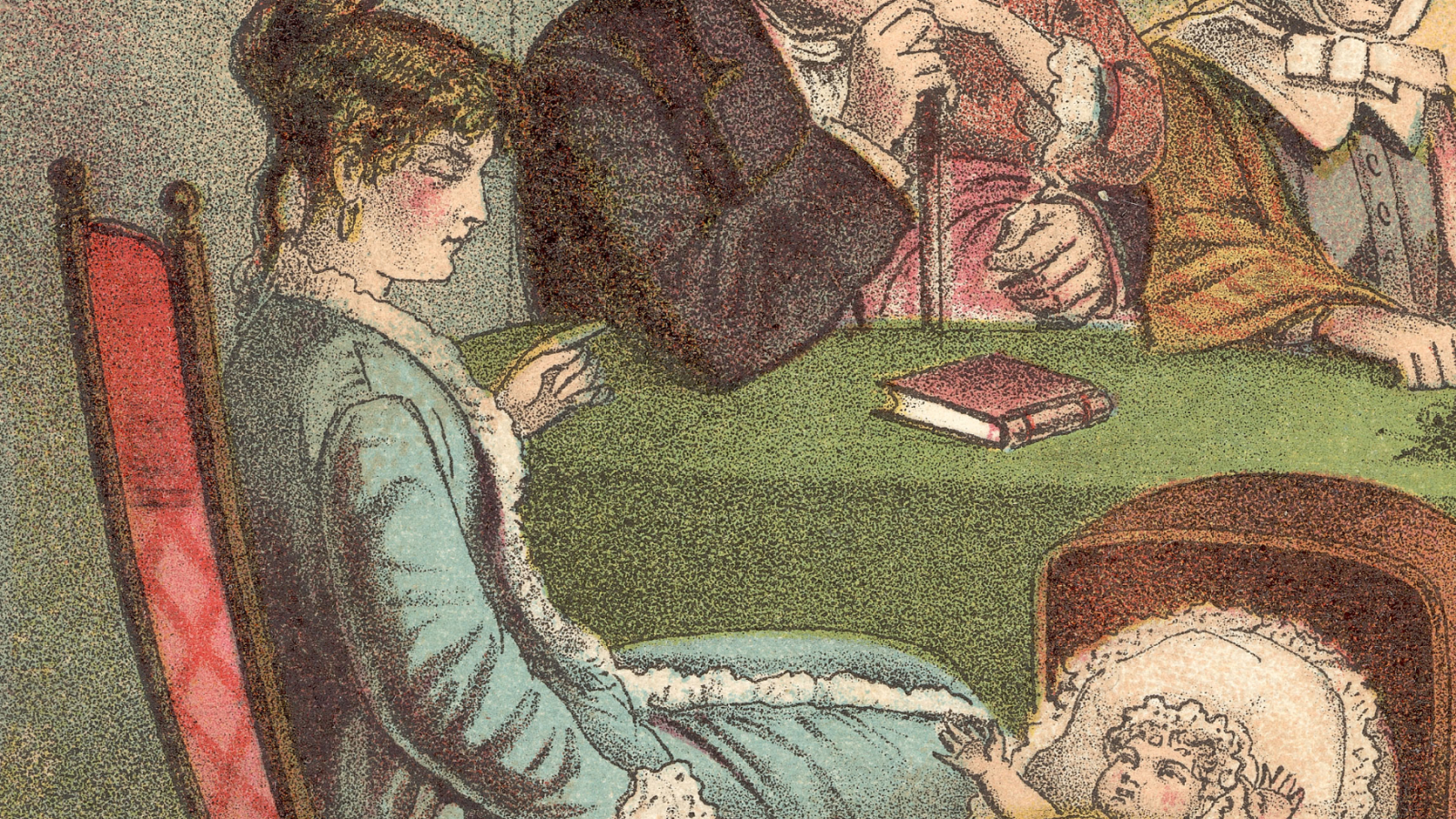
Joel Miller, the author of “The Idea Machine,” joins us to explore why books are history’s most successful information technology.

Welcome to The Nightcrawler — a weekly newsletter from Eric Markowitz covering tech, innovation, and long-term thinking.

Bryan Washington, author of “Palaver,” reflects on how moving to Japan and learning a new language shaped his writing.

Big Think and the John Templeton Foundation gathered scientists, artists, and storytellers in Los Angeles to explore the power of awe.
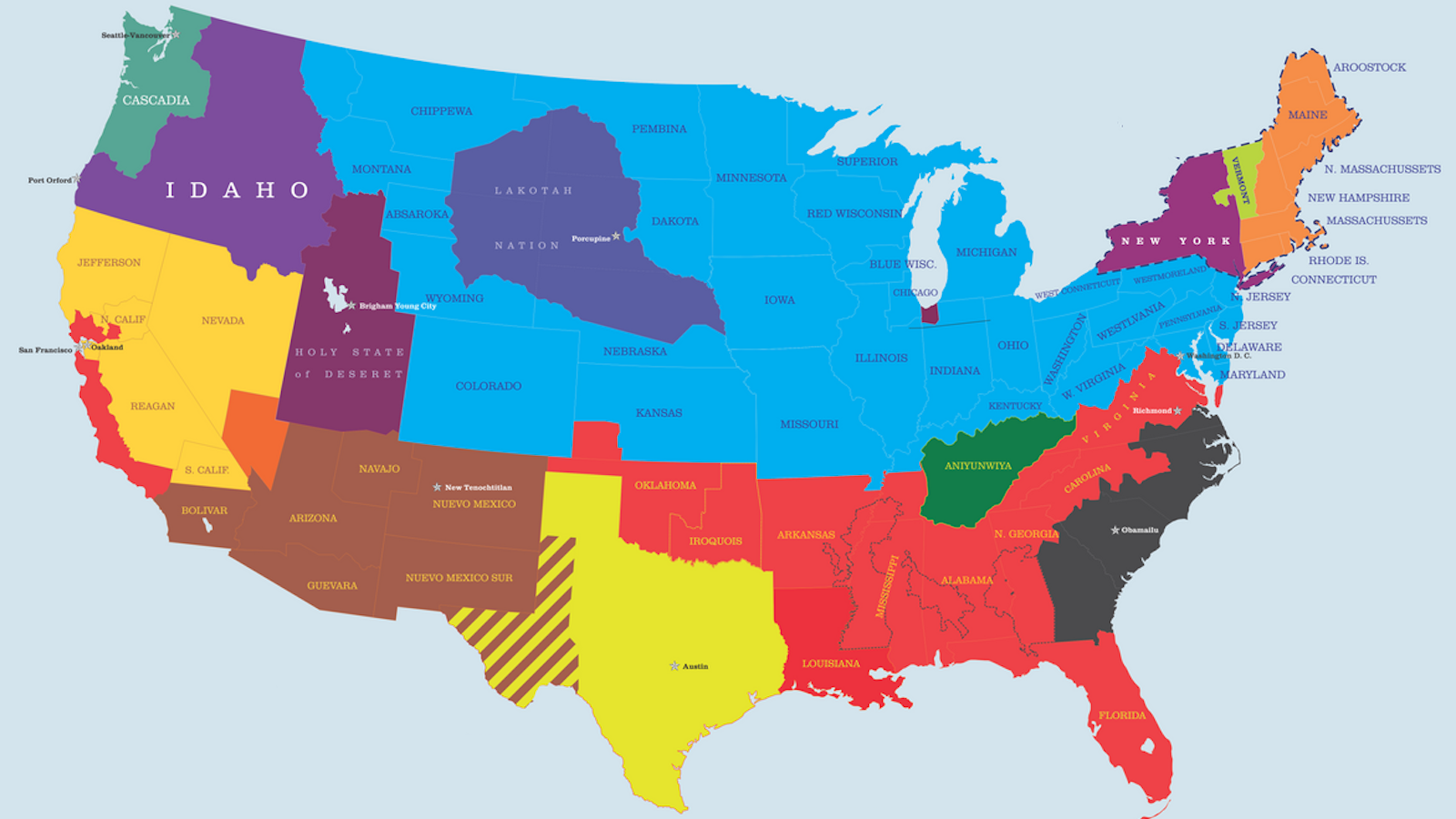
In post-apocalyptic fiction, imagined futures turn today’s political and cultural tensions into geography.

Welcome to The Nightcrawler — a weekly newsletter from Eric Markowitz covering tech, innovation, and long-term thinking.

Kuang discusses the rituals, routines, and words of advice that have helped her write six best-selling novels in one decade.

Before we can build the future, we have to imagine it.

In this excerpt from The Breath of the Gods, Simon Winchester explores how the Sumerians first named the wind and shaped our early understanding of the natural world.
The great books aren’t just classics — they’re cultural Schelling points that give our minds a place to meet up in the world of ideas.

Reading classic books can teach you as much about the present as the past.
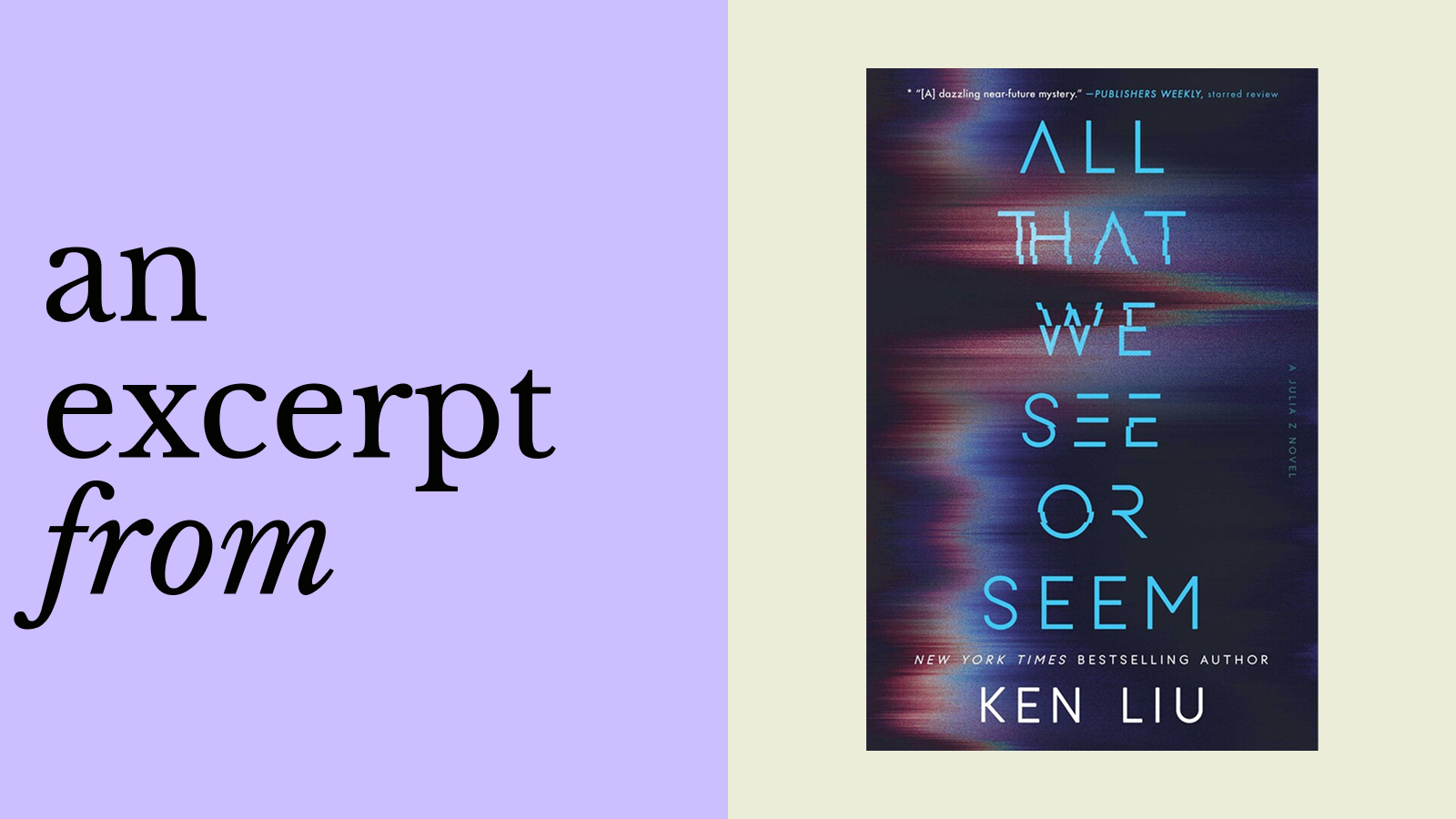
A preview of the latest novel by the Hugo- and Nebula-winning author.
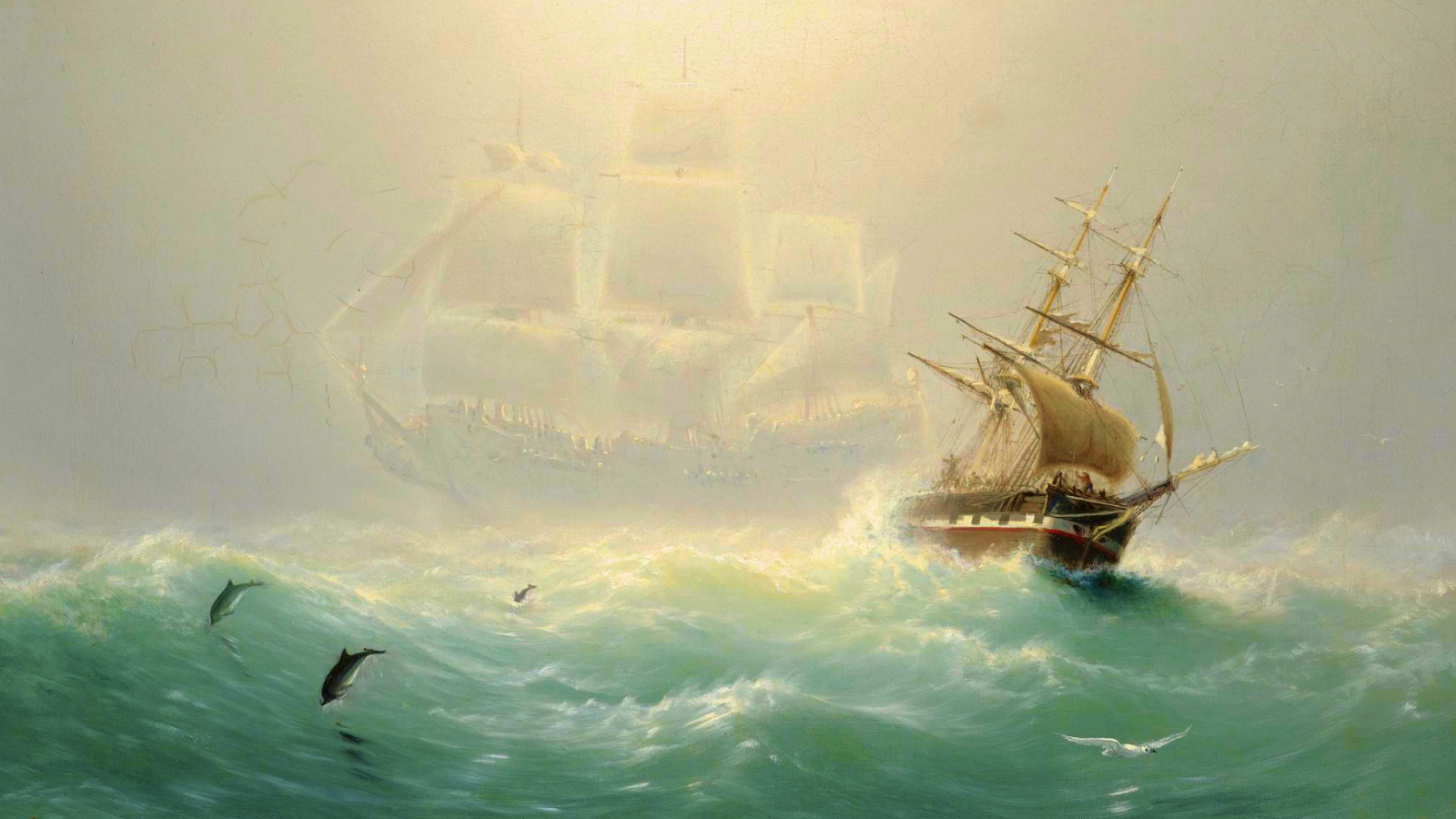
In this excerpt from “America’s Most Gothic,” Leanna Hieber and Andrea Janes examine the history and folklore of Maine’s vanished schooner.
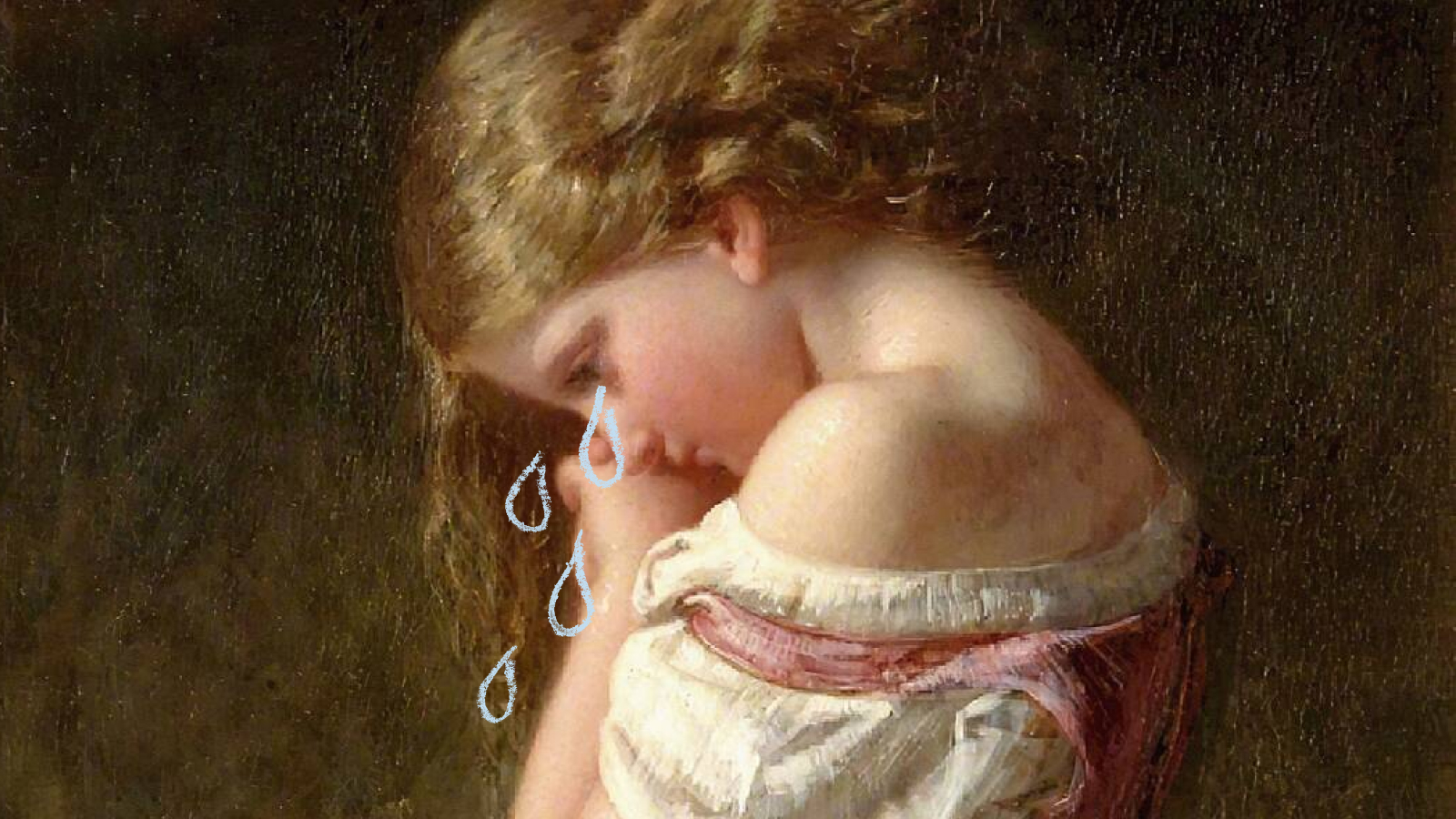
In this excerpt from “When Everyone Knows That Everyone Knows…,” Steven Pinker examines how crying may have evolved as part of a suite of emotional expressions aimed at strengthening social bonds.

In “That Book Is Dangerous,” author Adam Szetela examines the rise of the “Sensitivity Era” in publishing and how outrage campaigns try to control what books authors can write and readers can read.
Welcome to The Nightcrawler — a weekly newsletter from Eric Markowitz covering tech, innovation, and long-term thinking.
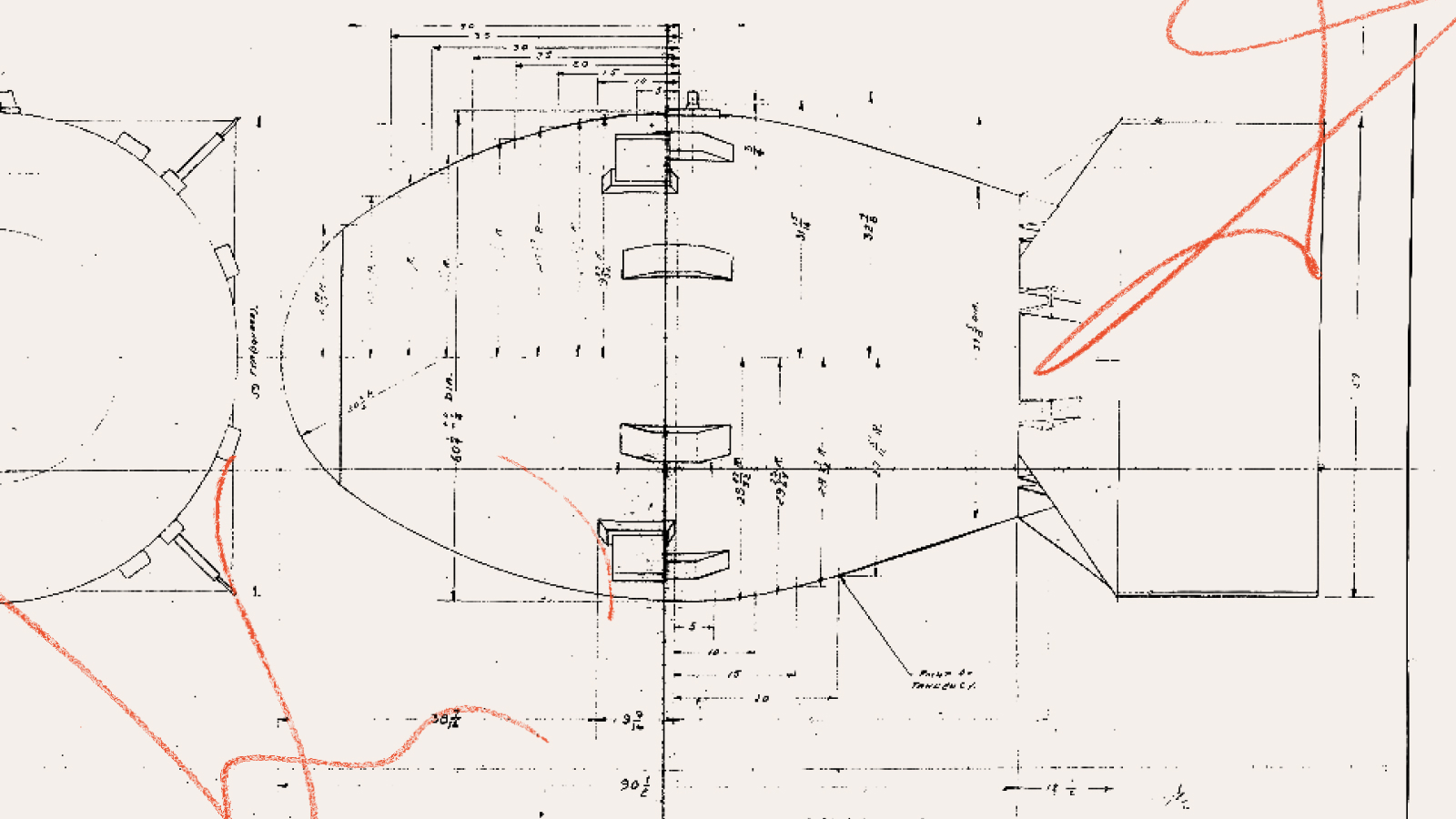
In this excerpt from “Tales of Militant Chemistry,” Alice Lovejoy exposes how the need for uranium during WWII led the Allied governments to turn a blind eye to colonial exploitation.
Welcome to The Nightcrawler — a weekly newsletter from Eric Markowitz covering tech, innovation, and long-term thinking.
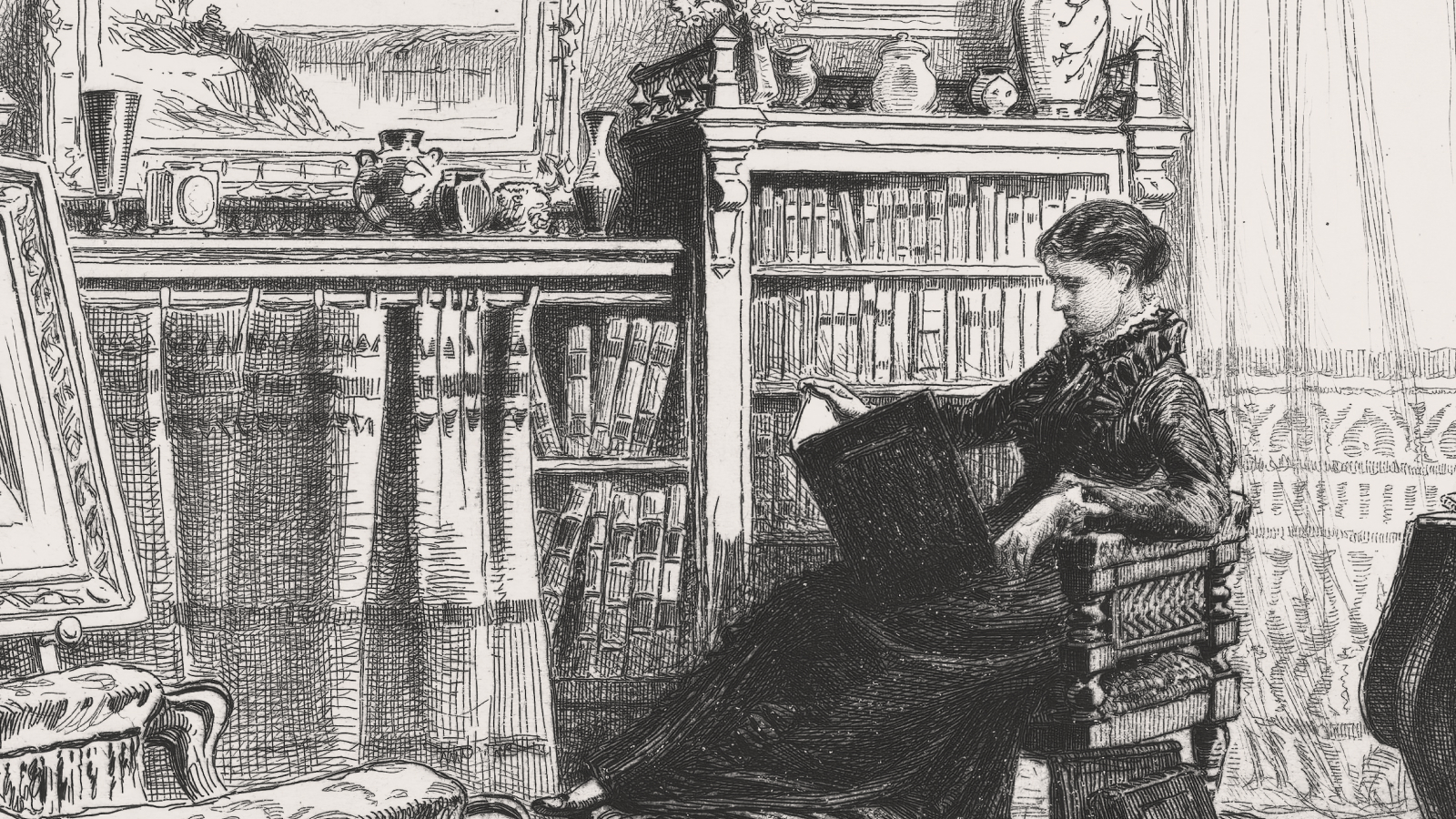
These short books offer insights and meditations on timeless themes, without the time commitment.

From Einstein to Twain, Garson O’Toole investigates the truth behind your favorite — and often misattributed — quotes.
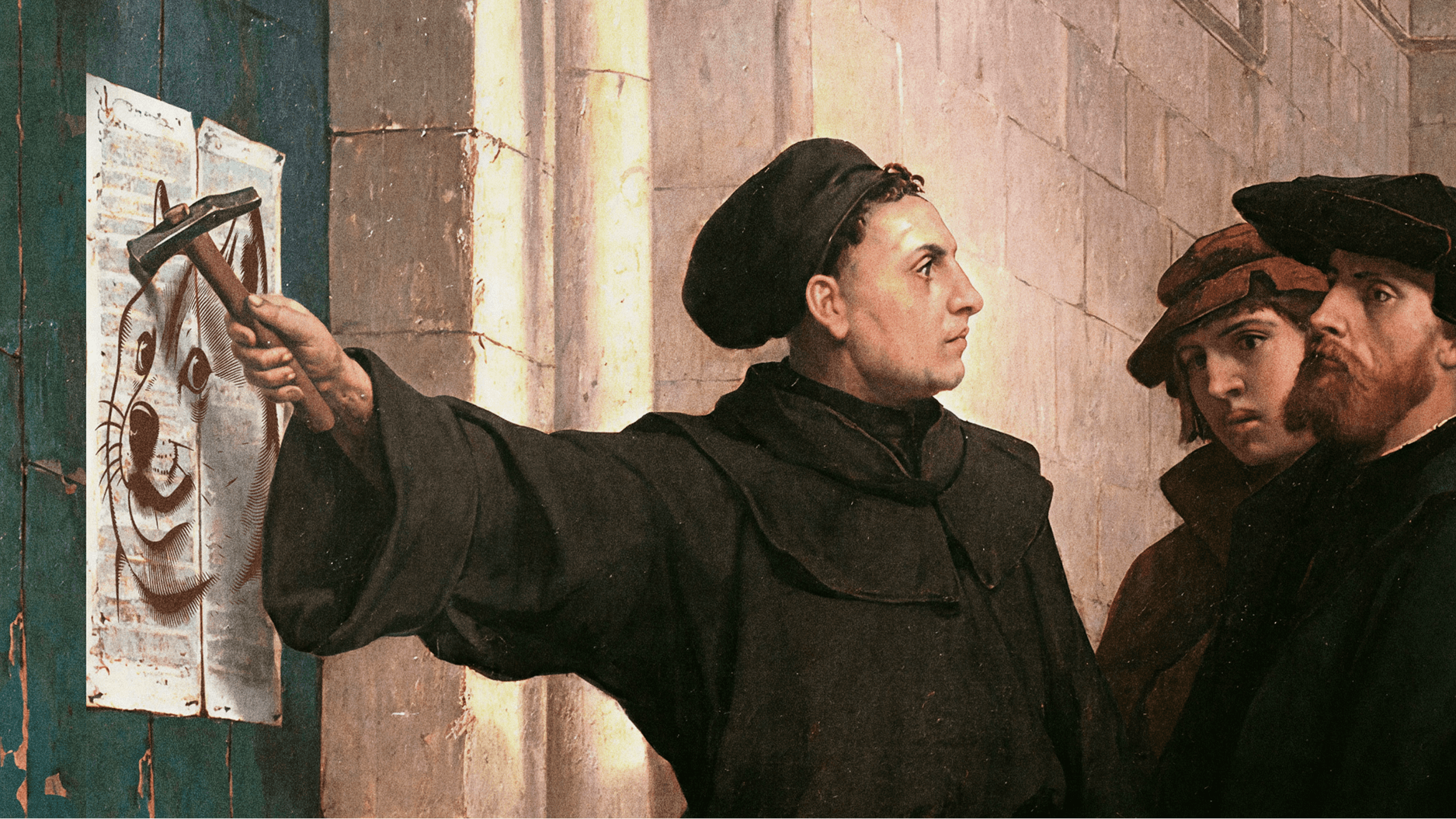
One does not simply make a meme go viral.
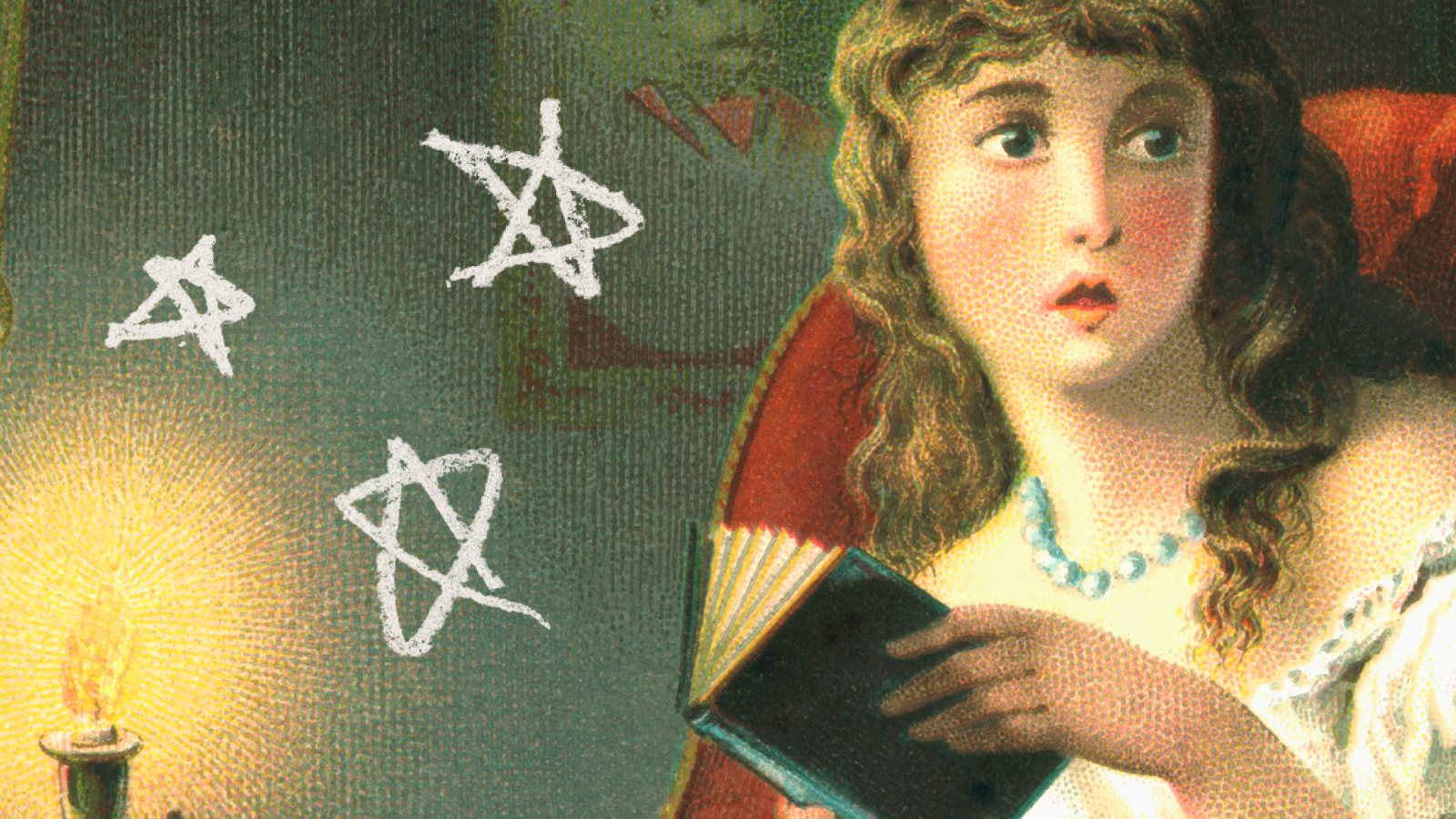
Some books are remembered for their lyrical prose or engaging stories. Others are remembered for simply being weird.

Before becoming America’s most infamous assassin, John Wilkes Booth was a magnetic actor who was beloved by audiences and courted by critics.