Ubiquity of HAL Signals Real-Life ‘Space Odyssey’
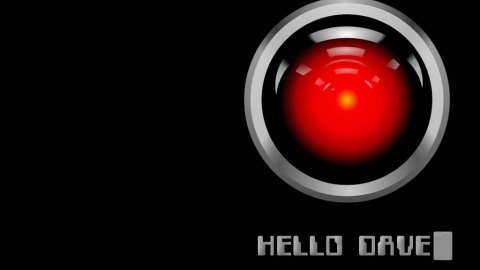
With a name inspired by IBM and a cold and, dare we say, machine-like demeanor, 2001: A Space Odyssey’s HAL has become one of filmdom’s most enduring characters.
But in a world where we encounter real-life HALs almost everyday—how do we get our GPS to shut up?—the character is enjoying something of a renaissance in some high-profile national ad campaigns. While the character has come back, his resurgence shows how Stanley Kubrick’s 1968 film portrays a world that may have finally been realized.
The first major return of HAL in pop culture occurred in a 2006 Apple ad, in which HAL returns but is unable to operate properly due to Windows’ countless quirks. While the connection to Apple seems natural, a number of advertisers took HAL to new and bizarre places, even by Kubrick’s standards.
Quizno’s sandwich shops, for example, recently ran a national ad campaign in which an oven embodying HAL-like characteristics encourages a sandwich-shop worker to make a toasty torpedo. The commercial was panned as campy at best and homoerotic at worst. That should have been it for the HAL redux. But shortly thereafter, Jared’s Jewelers introduced a similar spot in which a GPS unit asks the car’s driver (named Dave like in the Kubrick film) about the jewelry he has purchased.
So why the sudden infatuation with HAL by advertisers? The GPS connection in the Jared’s TV spot certainly helps make the connection. While the world portrayed in the Kubrick classic remains purely fictional to most of us in 2009, HAL is here. He is in our GPS audio cues and in the central computer commanding most of our media. With Microsoft even attempting to turn PCs into personal assistants, the world in which a HAL-like device is at our beck and call isn’t terribly far off, even if we’re long past 2001. Let’s just hope HAL’s insidiousness isn’t part of the deal.