What is Big Think?  

We are Big Idea Hunters…

We live in a time of information abundance, which far too many of us see as information overload. With the sum total of human knowledge, past and present, at our fingertips, we’re faced with a crisis of attention: which ideas should we engage with, and why? Big Think is an evolving roadmap to the best thinking on the planet — the ideas that can help you think flexibly and act decisively in a multivariate world.

A word about Big Ideas and Themes — The architecture of Big Think

Big ideas are lenses for envisioning the future. Every article and video on bigthink.com and on our learning platforms is based on an emerging “big idea” that is significant, widely relevant, and actionable. We’re sifting the noise for the questions and insights that have the power to change all of our lives, for decades to come. For example, reverse-engineering is a big idea in that the concept is increasingly useful across multiple disciplines, from education to nanotechnology.

Themes are the seven broad umbrellas under which we organize the hundreds of big ideas that populate Big Think. They include New World Order, Earth and Beyond, 21st Century Living, Going Mental, Extreme Biology, Power and Influence, and Inventing the Future.

Big Think Features:

12,000+ Expert Videos

1

Browse videos featuring experts across a wide range of disciplines, from personal health to business leadership to neuroscience.

Watch videos

World Renowned Bloggers

2

Big Think’s contributors offer expert analysis of the big ideas behind the news.

Go to blogs

Big Think Edge

3

Big Think’s Edge learning platform for career mentorship and professional development provides engaging and actionable courses delivered by the people who are shaping our future.

Find out more
Close

Not Content With Data, Facebook Wants Your Organs

May 1, 2012, 9:17 AM
Organs%20new%20ss

What's the Latest Development?

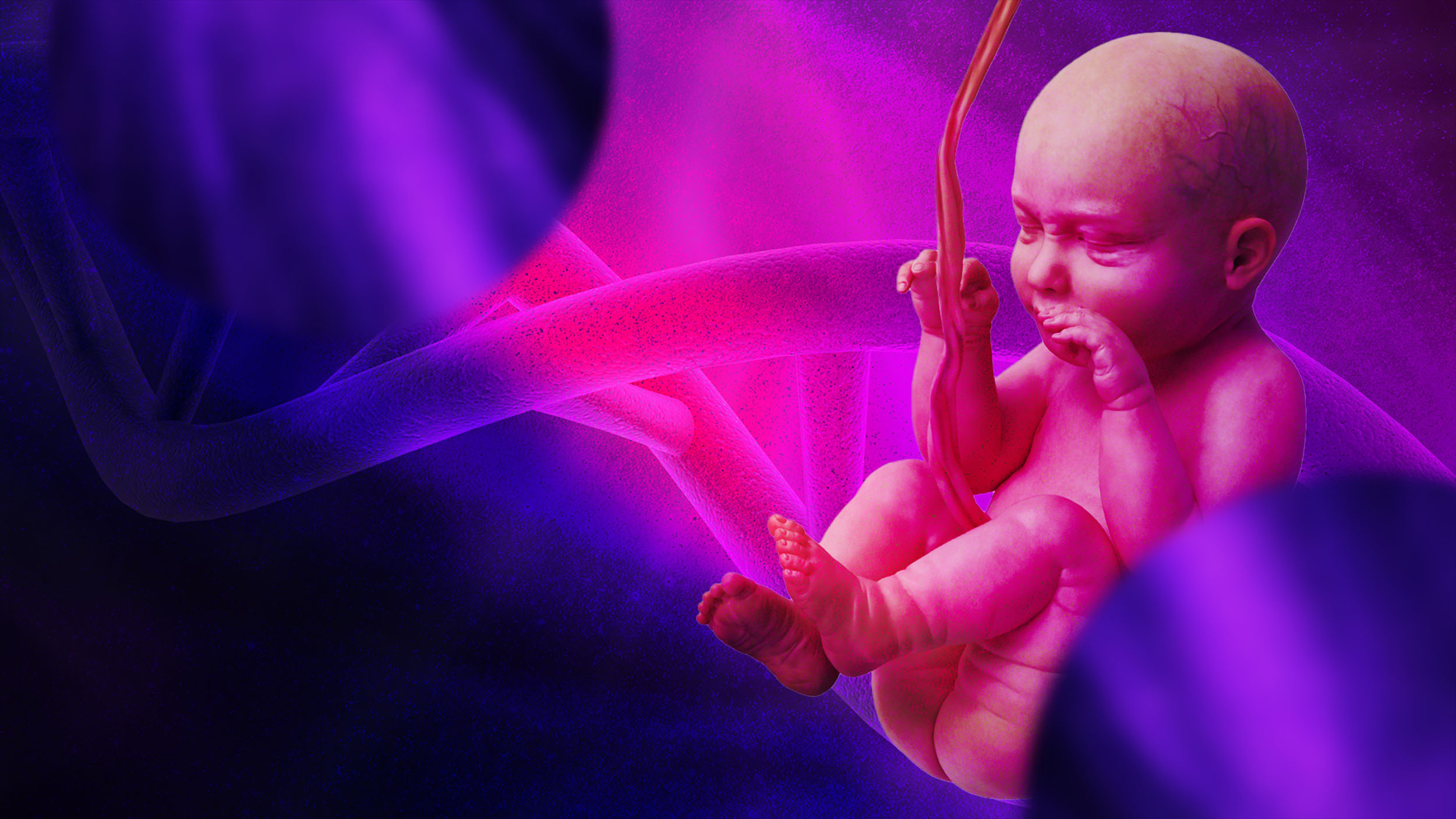
Facebook will soon use its sizable social influence to encourage members to list their organ donation status as part of their personal profile. In a biographical section called Health and Wellness, users will be able to declare whether or not they intend to donate their organs along with information about having recently lost weight or broken a bone. While Facebook's organ donor status will not function as an official registry, the site plans to provide links to "state online donor registries, where people can change their donor status." Facebook will introduce the change first in the US and UK. 

What's the Big Idea?

Organ donation advocates are hailing Facebook's newest social engineering initiative, saying that the majority of people who die for lack of organs do so because there are not enough donors. Advocates also take issue with the current system, which forces people to decide while at the DMV. "This is going to be an historic day in transplant," said Dr. Andrew M. Cameron, the surgical director of liver transplantation at Johns Hopkins Hospital. Using peer-pressure to nudge people toward changing their behavior is something new for Facebook. Its attempts at preventing suicide and online bullying have allowed users to reach out anonymously. 

Photo credit: Shutterstock.com


Not Content With Data, Face...

Newsletter: Share: