Martin McDonagh, Our New Norman Mailer
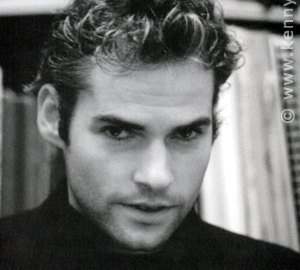
While most of the world waits to hear who will take home which Oscars, some of us might be as content to watch playwright Martin McDonagh ascend a separate stage, on a separate show, where he could accept all the awards, or most of them: writer, director, producer, charmer, rogue. Chronically our best brilliant Bad Boy, McDonagh stands apart from other writers for failing to see risk as anathema to a productive career. He’s not afraid of violent language. He’s not afraid of The New York Times. And now he has returned from retirement. Mailer would be proud. Or jealous.
In today’s Arts and Leisure section of the Times, McDonagh takes on another celebrated Irish playwright, Conor McPherson, for referring to him as “more like stage Irish.” Here is the exchange:
Mr. McDonagh responded to [McPherson’s] comment with a flash of anger, disregarding a pledge he had made minutes before to give up harshly judging other living writers in the press, firing off one of those hilariously belligerent rants that his characters are known for and that can’t possibly be printed here. Translated from the profane to the mundane, he said he was going to beat up Mr. McPherson next time he saw him.
“That’s on the record,” he said, pointing at my recorder. “Seriously, that’s a ludicrous thing to say. Dublin people think they are the center of the world and the center of Ireland. And they don’t realize that people have to leave Ireland to get work, and they look down on people who do. It strikes me as an odd thing — that someone who grew up in one town thinks they know everything about a nation and a diaspora.”
Then that sly smile returned as he realized that he had just started a public spat with a Tony Award-winning playwright. Mr. McDonagh paused, looked down at his drink and tried again: “I quietly take issue with him.”
McDonagh makes the stale, pale constancy of literary politesse seem an anachronistic waste of time. That culture might benefit from more cut-glass candor; it is, often, of a piece with the most brilliant work. Welcome back, McDonagh. Please don’t leave us again.