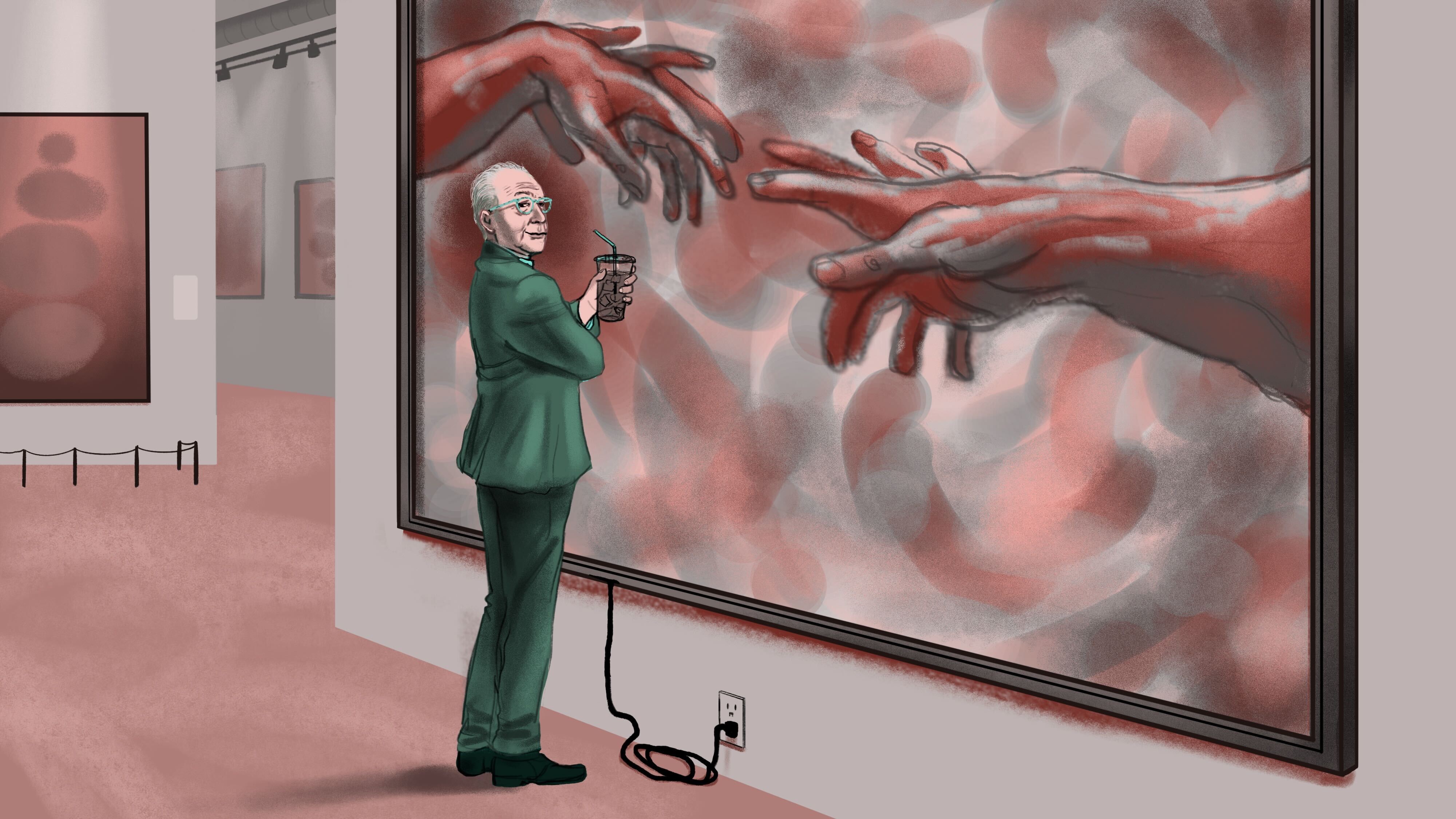
If we were really serious about educational technology
If we were really serious about educational technology, we would… [here are 10 to get you started]
- show students how to edit their privacy settings and use groups in Facebook instead of banning online social networks because they’re ‘dangerous’ and/or ‘frivolous’;
- teach students to understand and contribute to the online information commons rather than ‘just saying no’ to Wikipedia;
- put a robust digital learning device into every student’s hands (or let them bring and use their own) instead of pretending that we live in a pencil, notebook paper, and ring binder world;
photo © 2006 Michael Surran | more info (via: Wylio)integrate digital learning and teaching tools into subject-specific preservice methods courses rather than marginalizing instructional technology as a separate course;
- understand the true risk of students encountering online predators and make policy accordingly instead of succumbing to scare tactics by the media, politicians, law enforcement, computer security vendors, and others;
- find out the exact percentage of our schools’ families that don’t have broadband Internet access at home rather than treating the amorphous ‘digital divide’ as a reason not to assign any homework that involves use of the Internet;
- treat seriously and own personally the task of becoming proficient with the digital tools that are transforming everything instead of nonchalantly chuckling about how little we as educators know about computers;
- recognize the power and potential (and limitations) of online learning rather than blithely assuming that it can’t be as good as face-to-face instruction;
- tap into and utilize the technological interest and knowledge of students instead of pretending that they have nothing to contribute;
- better educate and train school administrators rather than continuing to turn out new leaders that know virtually nothing about creating, facilitating, and/or sustaining 21st century learning environments;
- and so on…
What else could we add to the list?
If we were really serious about [educational technology issue], we would [?] instead of [?].
It’s almost 2011. Isn’t it time for us to get serious about educational technology?