What is Big Think?  

We are Big Idea Hunters…

We live in a time of information abundance, which far too many of us see as information overload. With the sum total of human knowledge, past and present, at our fingertips, we’re faced with a crisis of attention: which ideas should we engage with, and why? Big Think is an evolving roadmap to the best thinking on the planet — the ideas that can help you think flexibly and act decisively in a multivariate world.

A word about Big Ideas and Themes — The architecture of Big Think

Big ideas are lenses for envisioning the future. Every article and video on bigthink.com and on our learning platforms is based on an emerging “big idea” that is significant, widely relevant, and actionable. We’re sifting the noise for the questions and insights that have the power to change all of our lives, for decades to come. For example, reverse-engineering is a big idea in that the concept is increasingly useful across multiple disciplines, from education to nanotechnology.

Themes are the seven broad umbrellas under which we organize the hundreds of big ideas that populate Big Think. They include New World Order, Earth and Beyond, 21st Century Living, Going Mental, Extreme Biology, Power and Influence, and Inventing the Future.

Big Think Features:

12,000+ Expert Videos

1

Browse videos featuring experts across a wide range of disciplines, from personal health to business leadership to neuroscience.

Watch videos

World Renowned Bloggers

2

Big Think’s contributors offer expert analysis of the big ideas behind the news.

Go to blogs

Big Think Edge

3

Big Think’s Edge learning platform for career mentorship and professional development provides engaging and actionable courses delivered by the people who are shaping our future.

Find out more
Close

What Happened to the Conservative Intellectual?
July 20, 2012, 9:00 AM
Gop%20intellect%20ss

What's the Latest Development?

When a Harvard professor of constitutional law occupies the White House, perhaps attacks on intellectuals are to be expected from the opposing political party. But there is also a Republican tendency to defame their most learnèd opponents. "To their suspicion of economic analyses of social issues, American conservatives add a suspicion of intellectuals as elitists." Rick Santorum, who has three advanced degrees himself, called the President "a snob" for wanting every American to attend university. Mitt Romney, who has two degrees from Harvard and has sent three of his sons there, has accused the President of spending too much time in such academic circles. 

What's the Big Idea?

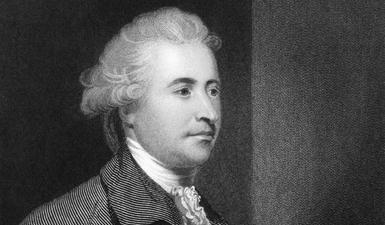
The conservative intellectual tradition, which existed from Edmund Burke to William F. Buckley Jr. seems to have run dry. Is Bill Kristol, who argued in favor of Sarah Palin's nomination as the 2008 vice-president, the GOP's current brain trust? It seems incredible that most Republican candidates for president this year denied the veracity of evolution and increasingly distrust science. "As the world becomes more threatening, many people seek simple answers, and many Americans conclude that an elite—from which they are excluded—must be the source of the ills. ... In their flight from elitism, they end up in a populist swamp peopled by autodidacts and fundamentalists."

Photo credit: Shutterstock.com


What Happened to the Conser...

Newsletter: Share: