Biologists Engineer Mosquitoes to Fight Tropical Diseases
Article written by guest writer Rin Mitchell
What’s the Latest Development?
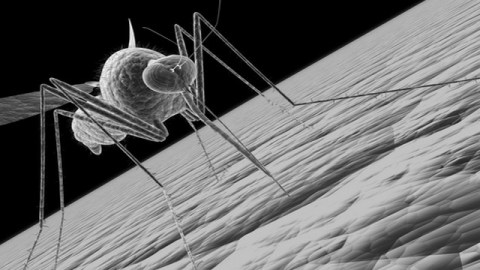
The dengue fever endemic started in Australia nearly 60 years ago; however, the outbreak showed up again in 2009 affecting more than 1,000 people in northern Australia. By the time researchers detected the virus—it had already quickly spread throughout the area. These mosquitoes are attracted to hot and humid climates, especially in large overcrowded cities in Africa, Asia and South America. This growing threat of tropical diseases like dengue and malaria, according to the World Health Organization, is the “most serious of the re-emerging diseases and infections.” The problem is that it was thought to have been resolved, until it came back with a vengeance. Scientists and researchers from Europe and North America have been seeking techniques to modify the bugs biologically to battle human diseases. After about two decades of experimenting, they came up with a couple of different approaches: “Either self-limiting, in which the mosquito population is driven to extinction, or self-sustaining, in which the altered bugs take over, thereby halting the spread of disease.” They put Wolbachia, a type of bacteria, inside of the mosquitoes; in other cases, they tampered with the mosquito DNA. In January 2012, they received approval to release them in areas where dengue is present. They were able to study how the altered mosquitoes affected other mosquitoes in the mating process, and the outcome of their offspring. The tests conducted in several communities around the world have given researchers hope that their strategies could be successful in putting an end to tropical diseases. However, critics are worried that releasing altered bugs into the wild could wreck havoc on the ecosystems, or create new disease-carrying insects.
What’s the Big Idea?
Researchers are conducting various experiments around the world using bacteria-infected mosquitoes and mosquitoes genetically altered to try and fight dengue and other tropical diseases. Although scientists have been using biological-altering methods in insects before, it is the first time using them to battle diseases that affect humans. They are awaiting government approval to release the lab-altered mosquitoes into countries where dengue is confined, such as Vietnam, China and Indonesia. Researchers believe this new method may “ultimately turn the tide in the fight against infectious diseases, especially in poor countries.”