What is Big Think?  

We are Big Idea Hunters…

We live in a time of information abundance, which far too many of us see as information overload. With the sum total of human knowledge, past and present, at our fingertips, we’re faced with a crisis of attention: which ideas should we engage with, and why? Big Think is an evolving roadmap to the best thinking on the planet — the ideas that can help you think flexibly and act decisively in a multivariate world.

A word about Big Ideas and Themes — The architecture of Big Think

Big ideas are lenses for envisioning the future. Every article and video on bigthink.com and on our learning platforms is based on an emerging “big idea” that is significant, widely relevant, and actionable. We’re sifting the noise for the questions and insights that have the power to change all of our lives, for decades to come. For example, reverse-engineering is a big idea in that the concept is increasingly useful across multiple disciplines, from education to nanotechnology.

Themes are the seven broad umbrellas under which we organize the hundreds of big ideas that populate Big Think. They include New World Order, Earth and Beyond, 21st Century Living, Going Mental, Extreme Biology, Power and Influence, and Inventing the Future.

Big Think Features:

12,000+ Expert Videos

1

Browse videos featuring experts across a wide range of disciplines, from personal health to business leadership to neuroscience.

Watch videos

World Renowned Bloggers

2

Big Think’s contributors offer expert analysis of the big ideas behind the news.

Go to blogs

Big Think Edge

3

Big Think’s Edge learning platform for career mentorship and professional development provides engaging and actionable courses delivered by the people who are shaping our future.

Find out more
Close

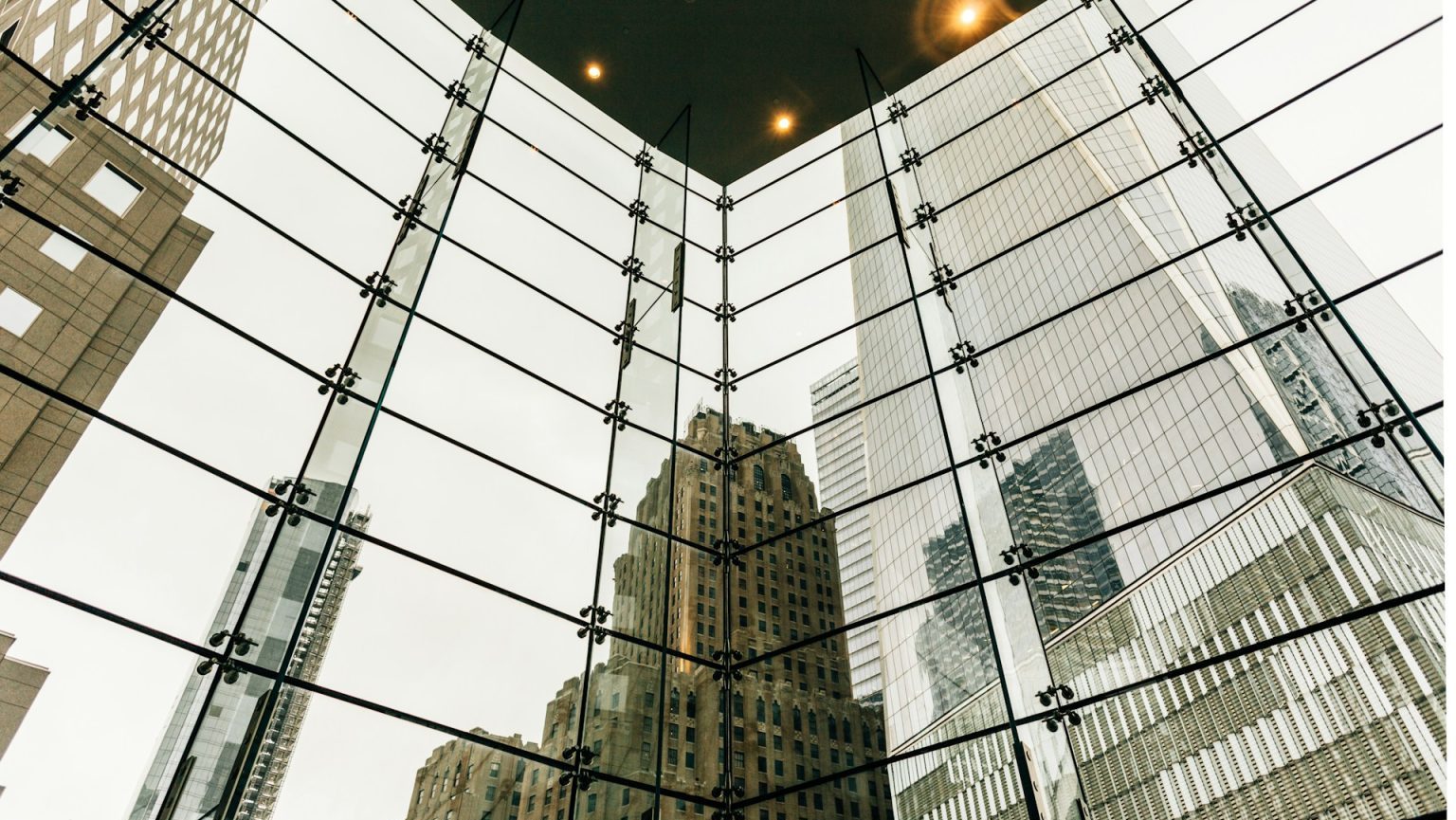
Coming Next to Cities: Buildings That Empathize With You

July 19, 2012, 3:18 PM
Building%20happy%20ss

What's the Latest Development?

Engineer Akira Mita wants to make buildings smarter by installing amazingly intelligent robotic sensors that concentrate primarily on gathering data from individual personalities occupying the building. "Early prototypes, called the 'e-bio', are about as big as the Roomba robotic vacuum cleaners. They're equipped with a pair of bat-like ears that can determine the precise location of sounds. They also have an 'eye' that sweeps a laser beam around the robot, allowing it build a complete, three-dimensional picture of its surroundings ten times a second." The sensors could interpret the body language of a person who is uncomfortably hot to adjust the thermostat. 

What's the Big Idea?

Mita has taken nature as his cue in creating the new robotic sensors. "Living organisms give birth to the next generation, and have immunity to viruses such as influenza," says Mita. "Our idea was that we wanted to give architecture this kind of biological response capability." Just as the immune system operates without one cell controlling the process, the sensors could work on a consensus basis, making the best decision based on the individuals present at the time. In one case, the sensors created a music playlist which kept a group more productive. That data could then tell us how to build better buildings. 

Photo credit: Shutterstock.com



Coming Next to Cities: Buil...

Newsletter: Share: