What is Big Think?  

We are Big Idea Hunters…

We live in a time of information abundance, which far too many of us see as information overload. With the sum total of human knowledge, past and present, at our fingertips, we’re faced with a crisis of attention: which ideas should we engage with, and why? Big Think is an evolving roadmap to the best thinking on the planet — the ideas that can help you think flexibly and act decisively in a multivariate world.

A word about Big Ideas and Themes — The architecture of Big Think

Big ideas are lenses for envisioning the future. Every article and video on bigthink.com and on our learning platforms is based on an emerging “big idea” that is significant, widely relevant, and actionable. We’re sifting the noise for the questions and insights that have the power to change all of our lives, for decades to come. For example, reverse-engineering is a big idea in that the concept is increasingly useful across multiple disciplines, from education to nanotechnology.

Themes are the seven broad umbrellas under which we organize the hundreds of big ideas that populate Big Think. They include New World Order, Earth and Beyond, 21st Century Living, Going Mental, Extreme Biology, Power and Influence, and Inventing the Future.

Big Think Features:

12,000+ Expert Videos

1

Browse videos featuring experts across a wide range of disciplines, from personal health to business leadership to neuroscience.

Watch videos

World Renowned Bloggers

2

Big Think’s contributors offer expert analysis of the big ideas behind the news.

Go to blogs

Big Think Edge

3

Big Think’s Edge learning platform for career mentorship and professional development provides engaging and actionable courses delivered by the people who are shaping our future.

Find out more
Close

Low-Economic Populations Have Higher Risk of Cancer
June 2, 2012, 12:00 PM
Cancerecon

Article written by guest writer Rin Mitchell

What’s the Latest Development?

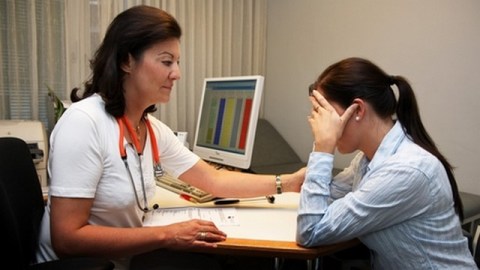
According to a study, cancer is slated to beat out heart disease as the world's number one leading cause of deaths. In 2008, the number of reported cancer cases was 12.7 million. It is projected to go up to 22.2 million by 2030. According to the study, the increase will be in people from low and middle-income regions. Certain cancers such as stomach, liver and cervical are already common among people in lower economic areas. However, reproduction, diet, hormones and tobacco use are factors in many of the new cases of cancer, which the American Cancer Society believes rules out the idea that there is “significant  variation in the types of cancer occurring in various regions of the world based on different levels of development.” 

What’s the Big Idea? 

Cancer, most commonly known to target people with a family history of the disease or bad lifestyle habits, is now seen by some researchers as a disease that affects people in countries where the economy level is low. Does cancer have a mind of its own? The report indicates that economic status of a country's region can determine the type of cancer those areas of the country are affected with. Experts believe these results "are a wake-up call for the global community." What is that wake-up call exactly? Will people need to move to more economically developed environments, in addition to changing their lifestyle habits, to lower their risk of cancer? 

 

Low-Economic Populations Ha...

Newsletter: Share: