What is Big Think?  

We are Big Idea Hunters…

We live in a time of information abundance, which far too many of us see as information overload. With the sum total of human knowledge, past and present, at our fingertips, we’re faced with a crisis of attention: which ideas should we engage with, and why? Big Think is an evolving roadmap to the best thinking on the planet — the ideas that can help you think flexibly and act decisively in a multivariate world.

A word about Big Ideas and Themes — The architecture of Big Think

Big ideas are lenses for envisioning the future. Every article and video on bigthink.com and on our learning platforms is based on an emerging “big idea” that is significant, widely relevant, and actionable. We’re sifting the noise for the questions and insights that have the power to change all of our lives, for decades to come. For example, reverse-engineering is a big idea in that the concept is increasingly useful across multiple disciplines, from education to nanotechnology.

Themes are the seven broad umbrellas under which we organize the hundreds of big ideas that populate Big Think. They include New World Order, Earth and Beyond, 21st Century Living, Going Mental, Extreme Biology, Power and Influence, and Inventing the Future.

Big Think Features:

12,000+ Expert Videos

1

Browse videos featuring experts across a wide range of disciplines, from personal health to business leadership to neuroscience.

Watch videos

World Renowned Bloggers

2

Big Think’s contributors offer expert analysis of the big ideas behind the news.

Go to blogs

Big Think Edge

3

Big Think’s Edge learning platform for career mentorship and professional development provides engaging and actionable courses delivered by the people who are shaping our future.

Find out more
Close

Brain Boosting Machine Works. But Is it Ethical?
January 29, 2012, 9:15 AM
Brain%20ss

What's the Latest Development?

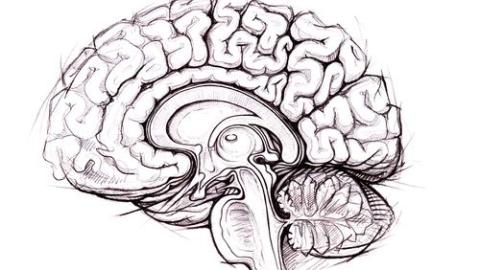
A small machine developed at Oxford University could help improve your language and maths abilities, memory, attention and even movement. The device, called a transcranial direct current stimulation, uses electrodes placed outside the head to run a mild electric current through the brain for about 20 minutes. Experimental psychologist Dr. Roi Cohen Kadosh says: "I can see a time when people plug a simple device into an iPad so that their brain is stimulated when they are doing their homework, learning French or taking up the piano." 

What's the Big Idea?

The Oxford psychologists were also concerned with the ethics of their brain boosting machine. By all accounts, they say, if the machine is proven safe, it should be distributed widely to augment basic human capabilities. "This technology overcomes some standard objections to enhancement: It is not a set of cheat notes," says Professor Julian Savulescu. "You require effort and hard work to learn. It is just that you get more out of your effort. And because it is cheap, low tech, easily affordable, it could be widely available."

Photo credit: shutterstock.com


Brain Boosting Machine Work...

Newsletter: Share: