David Berreby
Author, Us and Them: The Science of Identity
David Berreby is the author of "Us and Them: The Science of Identity." He has written about human behavior and other science topics for The New Yorker, The New York Times Magazine, Slate, Smithsonian, The New Republic, Nature, Discover, Vogue and many other publications. He has been a Visiting Scholar at the University of Paris, a Science Writing Fellow at the Marine Biological Laboratory, a resident at Yaddo, and in 2006 was awarded the Erving Goffman Award for Outstanding Scholarship for the first edition of "Us and Them." David can be found on Twitter at @davidberreby and reached by email at david [at] davidberreby [dot] com.
My neighborhood is a tranquil place—the sort of area where you watch images of war and oppression from far away. Those columns of black smoke, the men riding by with […]

One way to understand a nudge—a government policy that inclines you to make a particular choice, often without your awareness—is that it makes it easier for you to do what […]
In my motley career I have had long conversations with heads of state and Nobel Prize winners. I have hiked north of the Arctic Circle and watched humpback whales amble […]
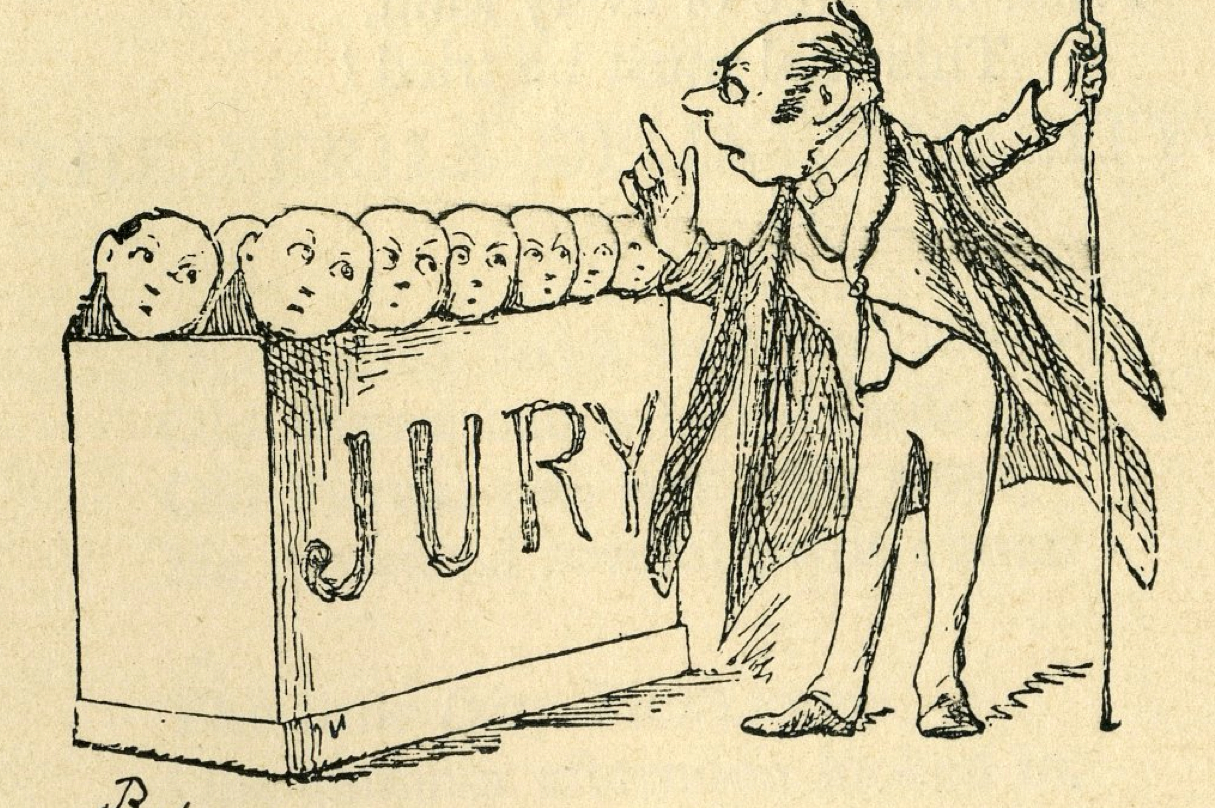
“Nudge” policies are spreading across the globe because they supposedly offer a less expensive and more effective way to get people to make the “right” decisions. In the original formulation, such decisions are defined as those that people would like to have made, had they not been hobbled and blinkered at the time by irresistible irrationality.
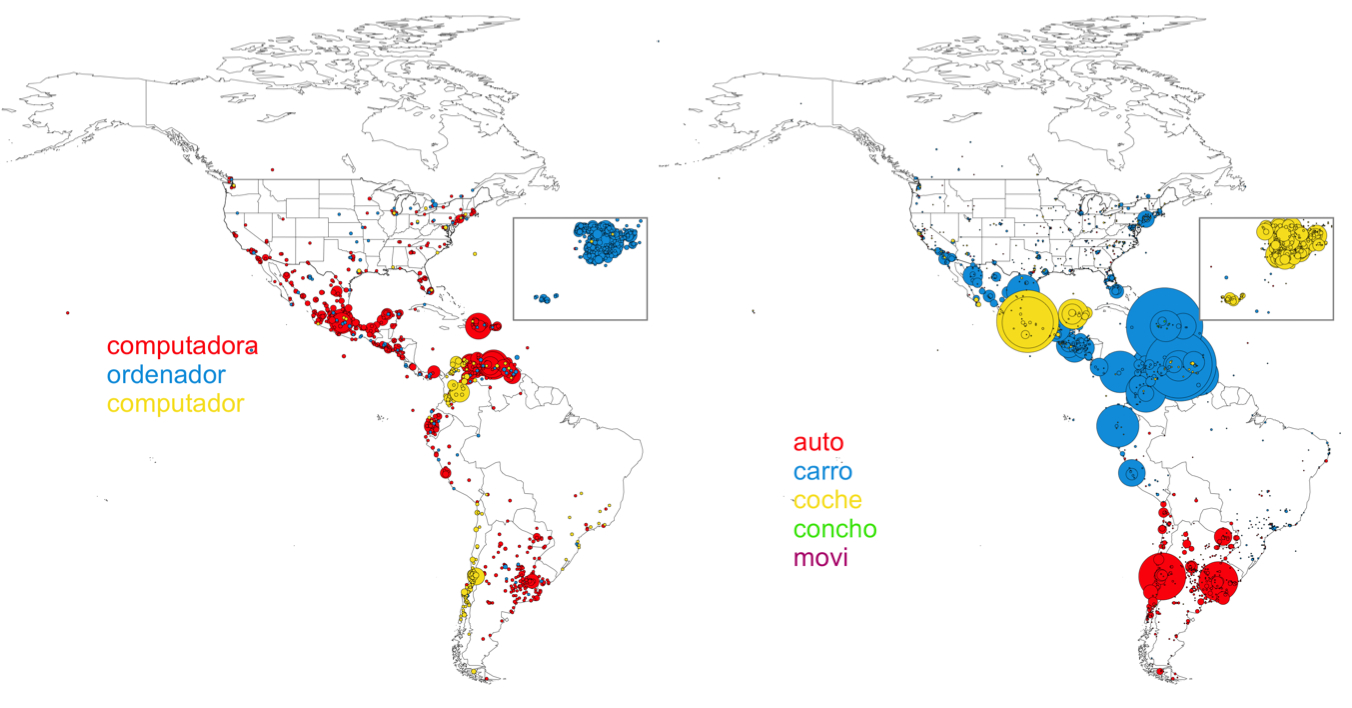
Whatever your native language, you’ve probably noticed that city people speak it differently than do country folk. But so what? It’s also true that Chicagoans speak a bit differently than […]
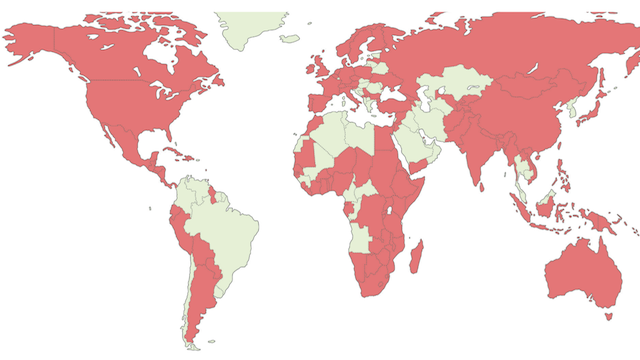
Nudges, “choice architecture,” social marketing and other non-rational approaches to government are a pretty significant development. After all, these policies replace explicit arguments (“you should get more exercise for these […]

In my post last week I linked to some work by Evan Selinger, a philosopher at the Rochester Institute of Technology who has been thinking hard about the ways seemingly […]
Are we becoming too obsessed with the idea that people can’t think straight? When I began blogging here at BigThink five years ago, I would have said no. After all, […]

Doing any networking this week? If you aren’t, you probably feel you should. For a generation we’ve been hearing that rich social lives will find us jobs, get our chores […]
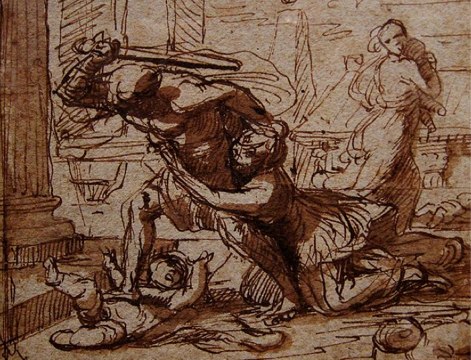
In my news feed the other day was a photo of an anguished boy holding an even smaller boy, killed by a shell. Another day in the war in Gaza. […]

The premiere of Handel’s Messiah, in Dublin in 1742, was a very hot ticket, with an audience of 700 in the 600-seat theater. Hence, gentlemen were asked to come without […]
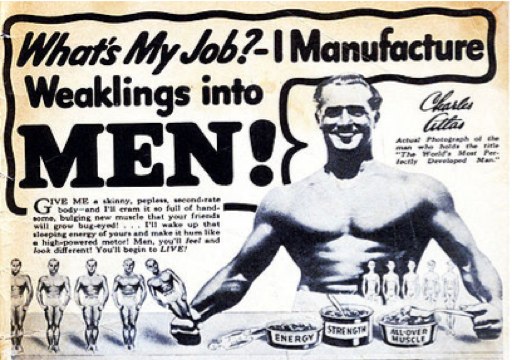
UPDATE 5/26/14: I wrote this post before Elliot Rodger’s killing spree. The study I describe is, strictly speaking, about rape, but its notion of a connection between male shame and […]
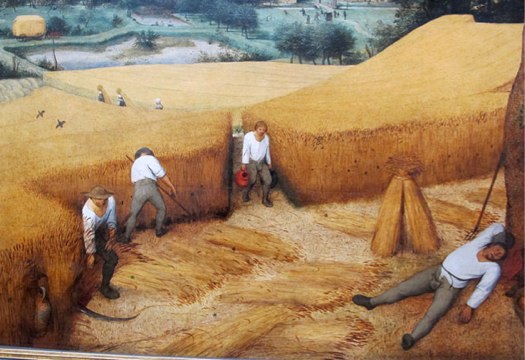
One of the few supposedly silver linings to be found in the dark cloud of global warming is its effect on agriculture (at least in some regions). As optimists and […]

If you’re an American at all engaged with politics, you have very likely had the following conversation: You’re debating a topic that’s culturally and politically sensitive. You appreciate the human […]
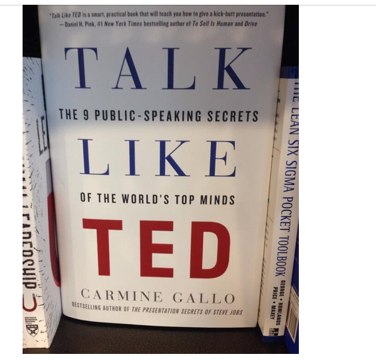
Earlier today the game designer and philosopher Ian Bogost tweeted the above photo, signaling that TEDism—the look and feel of those incisive idea-filled talks from TED conferences—is spreading far and […]
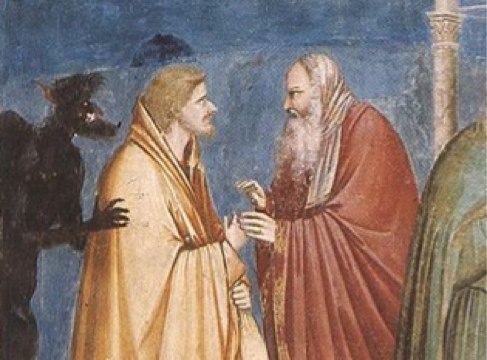
I’ve spent a lot of time thinking about both the means and consequences of demonization. And like most Americans of my generation I generally think it’s a terrible thing. To […]

Over the past few years, government has discovered that it can accomplish a lot when it sets aside the notion that human beings are rational. Rather than giving people good […]
Political and economic changes have a way of getting into people’s heads. Once-new tools come to feel as natural as the hands that pick them up; once-new rules, ingrained in […]
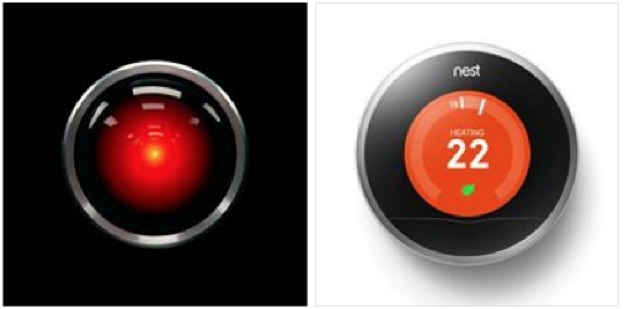
Once upon a time, a car was an industrial machine you climbed in and drove around. Today, it’s also a tracking and nudging machine that second-guesses you for your own […]

A well-known example of irrational decision-making people’s tendency to overvalue the things they own (I would pay $1 for a coffee mug but will demand $5 for an identical coffee […]

When people use plastic to pay for food, they make more impulse-based purchases, like ice cream, donuts and chips, compared to those who pay with cash, as I wrote here […]
What kind of people confess to crimes they didn’t commit? You might imagine they’re sleepless and terrified, with cops telling them there’s already proof of their guilt. And you’d be […]
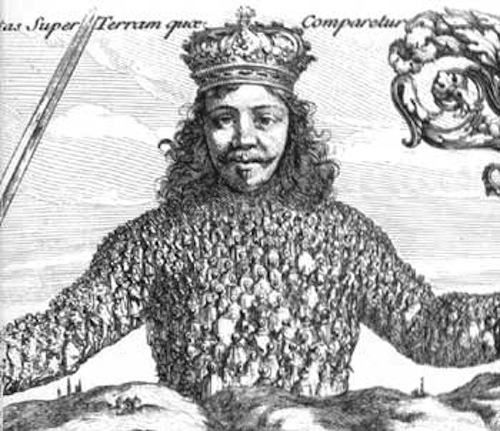
“I do not know whether I shall return from my long weekend trip alive,” the mathematical psychologist Anatol Rapoport once wrote. “But I do know that the number of traffic […]
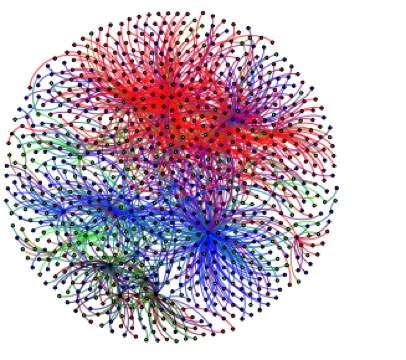
Maybe digital technology is a neutral medium, conveying all our thoughts and feelings equally well. Or maybe, as tech hype tells us, our apps and gadgets skew positive, liberating us […]

Like many doting parents, I post about my son on Facebook, enjoying the few years I have left before he gets veto power. I don’t put up anything negative or […]
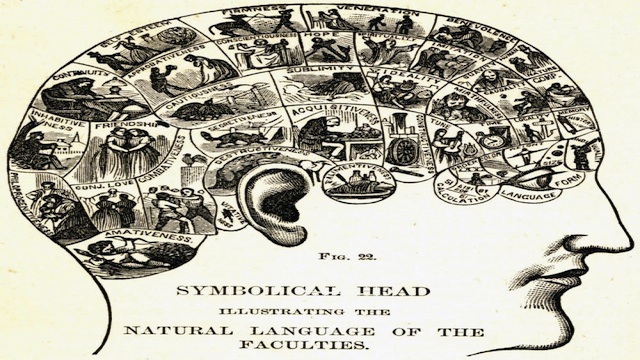
Fox News this week has the not very surprising news that the Obama Administration is looking for social scientists to help form a “Behavioral Insights Team” that, like the group […]

What’s the best way to hold people accountable for their actions on the job? Measure the results (though that might encourage them to break a few rules, or even a […]
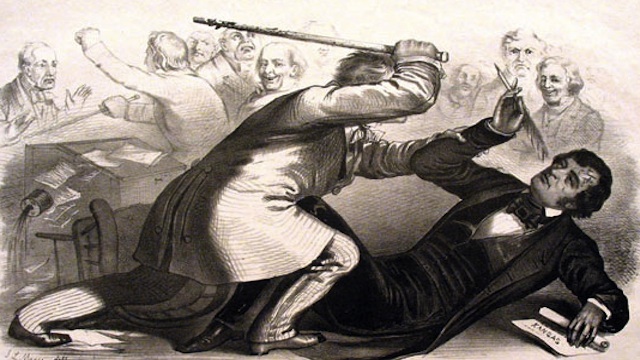
“Morsi is an idiot,” says a friend of mine. “But he should have been voted out.” Like many people I know, he can’t endorse the military overthrow of a man […]
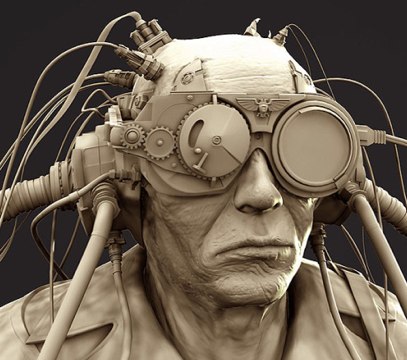
Pondering the worrisome prospect that all your quantified self data might not be private.
Is the pursuit of happiness, which we Americans will celebrate later this week, a worthy goal? Many have said no, on the grounds that happiness comes only to those who […]