Holiday Gas Prices: Rapid Response Communication Needed About Energy Choices
This holiday weekend, many in the science community are focused on the launch of “rapid response” coordination to provide faster, more accurate details about climate science to journalists and decision-makers. Somewhat predictably, in its launch, the rapid response efforts have engaged members of the science media and their audiences, with outlets including Science magazine, Science Friday, the NY Times, the Washington Post, the Guardian, and science and environmental bloggers. These outlets already feature strong coverage of climate science and their audiences are relatively knowledgeable and concerned about the problem.
Yet, in areas such as the industrial and agricultural Midwest–key regions of the country where both the public and their elected political representatives remain ambivalent about the urgency and relevance of climate change–a dramatically important opportunity at public communication has been overlooked. Investing in rapid response efforts on climate science will make more information about climate science available at traditional national news outlets such as NPR, the NY Times, and their science beats. But the availability of this information does not mean that the publics who most need the information will use it. Instead a very different approach to public engagement is required.
A Communication Infrastructure That Facilitates Public Decision-Making
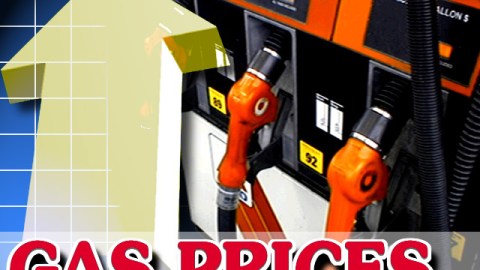
This Holiday week and through the Christmas season, a record number of Americans are expected to travel by car. At the same time, personal experience and news reports are shifting public attention in the direction of rising gas prices. Typically this agenda shift leads to an increase in the number of Americans who name energy as an important policy priority, opening a window at the national and state level for renewed discussion of energy policy options.
Yet polling trends also indicate that a rise in gas prices tends to alter public attributions about the solutions to the energy problem in the wrong directions, with the public judging the issue as a “petroleum supply problem.” The inferred courses of actions are either investing in the discovery of new sources of petroleum through off-shore drilling or the opening of public lands to exploration. This faulty mental model strongly favors the energy proposals likely to be offered by the newly elected Republican Congress, state legislatures, and Governors.
However, this “supply problem” mental model deflects attention away from what experts describe as potentially more effective and feasible actions that reduce consumer and industrial demand for dirty, carbon-based energy sources. Examples include fuel standards for cars; retro-fitting of buildings and housing; improvements in refrigeration, lighting, household, and industrial efficiency; increased access and availability of public transportation; and increased funding for clean energy R&D.
What’s needed in response is a massive investment in a new communication infrastructure across local and regional areas, an infrastructure that would be able to anticipate the demands and needs for information in those areas of the countries that are most critical to engagement on the issue. This would include states of the Midwest where industrial and agricultural sectors–and the publics who rely on these sectors for their livelihood–are struggling to adapt to energy challenges such as rising gas prices.
As I detailed the day after the Midterm election, this new infrastructure would feature a carefully coordinated multi-pronged strategy that would include public events and meetings; the launch of digital news communities focused on the regional dimensions of the climate and energy challenge; state and regional-specific audience research; and collaborations with a range of arts, entertainment, and faith-based partners to elevate attention, motivate participation, and communicate relevance.
The goal of the initiative is not to provide simplified, one-way communication of technical information about climate and energy to journalists and decision-makers; but rather to facilitate, organize, create, and motivate opportunities for diverse segments of the public to learn, plan, connect, debate, participate, make decisions, and voice their preferences related to climate and energy policy.
Think about what people are directly experiencing this Holiday weekend as they travel, the connections to energy that people in the industrial and agricultural Midwest encounter, the news media they are likely to use, and the people and settings they are likely to turn to in order to learn or discuss. Then read the plan and let me know what you think.
See Also: