Our motivations and sense of self may be more deeply shaped by our connections and social history than we think.
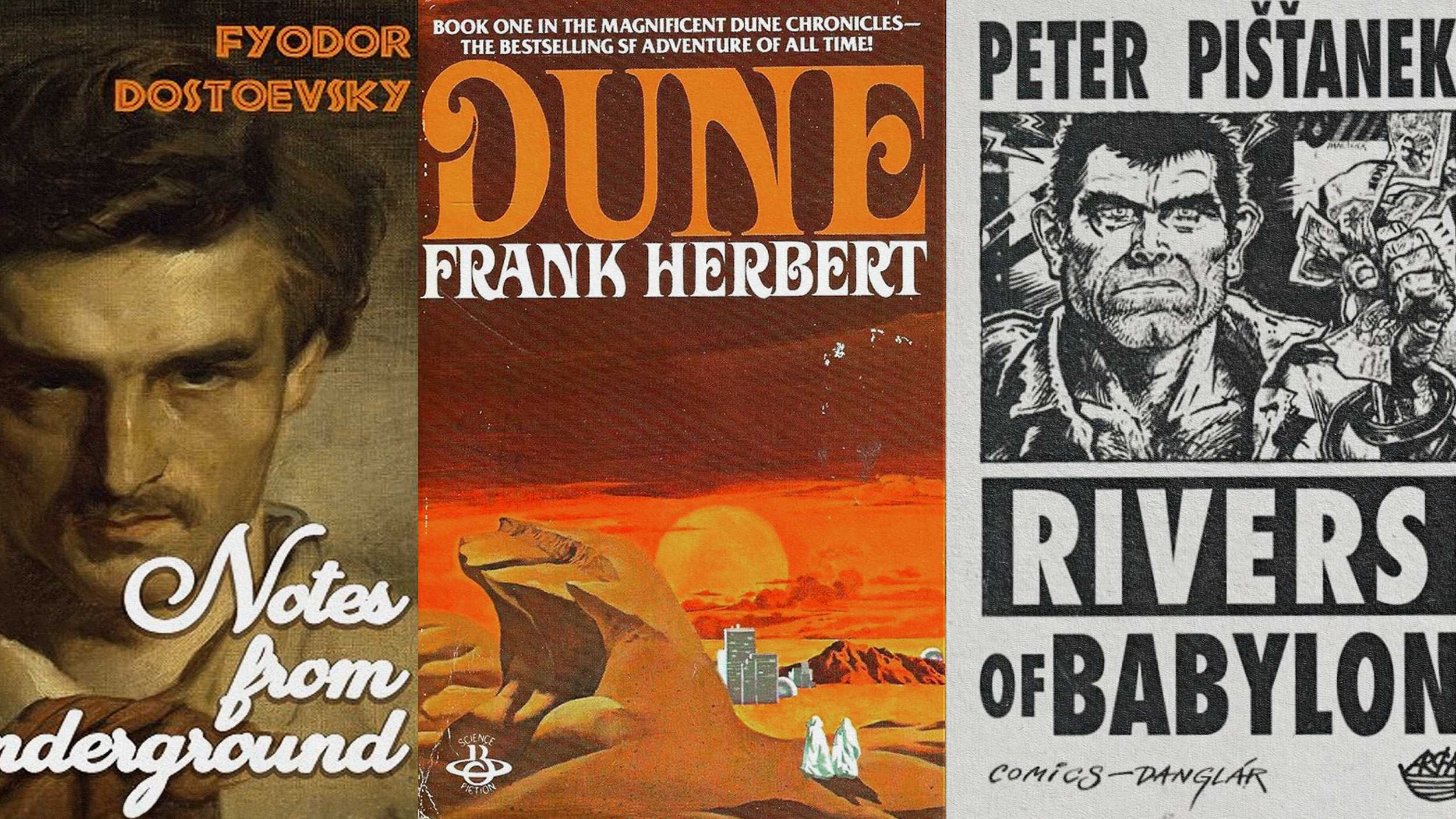
From mysterious villages to absurdism at the gallows, these books explore the origins, consequences, and possible responses to nihilism.
Soccer emerged from chaotic folk games, elite school rivalries, and evolving rules that transformed a rough pastime into the beautiful game.
Humans are naturally creative, but adulthood often teaches us to value productivity over play.
America’s first Gilded Age reveals how concentrated economic power erodes democracy and offers a warning as similar forces reemerge today.
Vague predictions and post hoc revisions help astrology feel meaningful, even while it fails empirical testing.
Historian Jess Venner discusses how “critical fabulation” can help reveal the lived experiences of Pompeii’s voiceless residents.
Banded mongooses highlight the deep link between cooperation and conflict in nature.
Tourism and environmental threats are shaping the fragile future of these iconic, surprisingly intelligent island predators.
As mental health diagnoses become more common and expansive, the labels meant to help us understand our suffering may instead oversimplify it.
Long before today’s debates, immigration was already transforming the American accent into something distinctively its own.
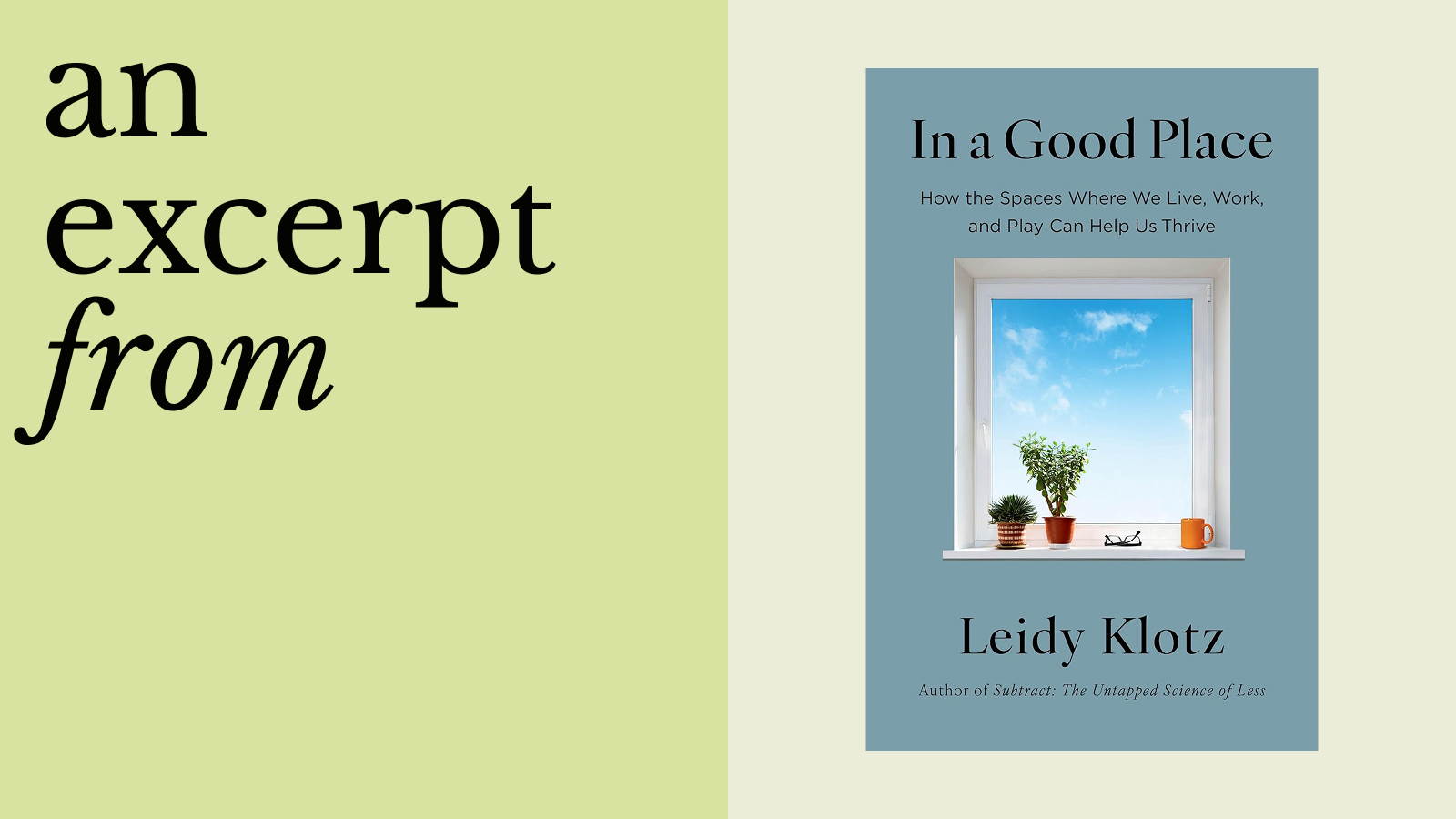
From Swedish playgrounds to American kitchens, how we design our spaces broadcasts our priorities and can help spark broader cultural shifts.
These initially sympathetic characters take readers down a dark path.
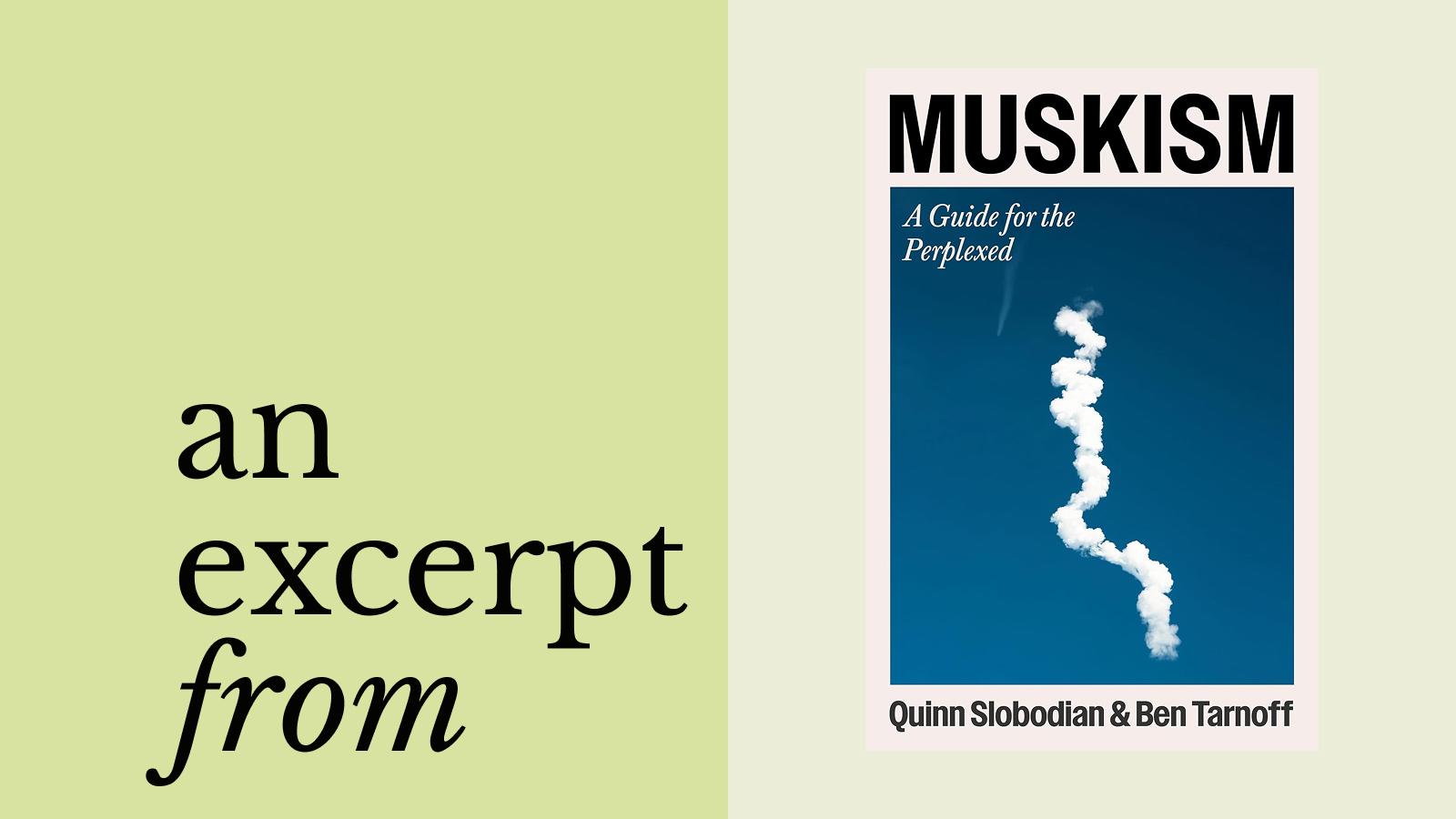
As SpaceX slashes launch costs, governments are gaining new capabilities, while potentially outsourcing their sovereignty to Musk’s private empire.
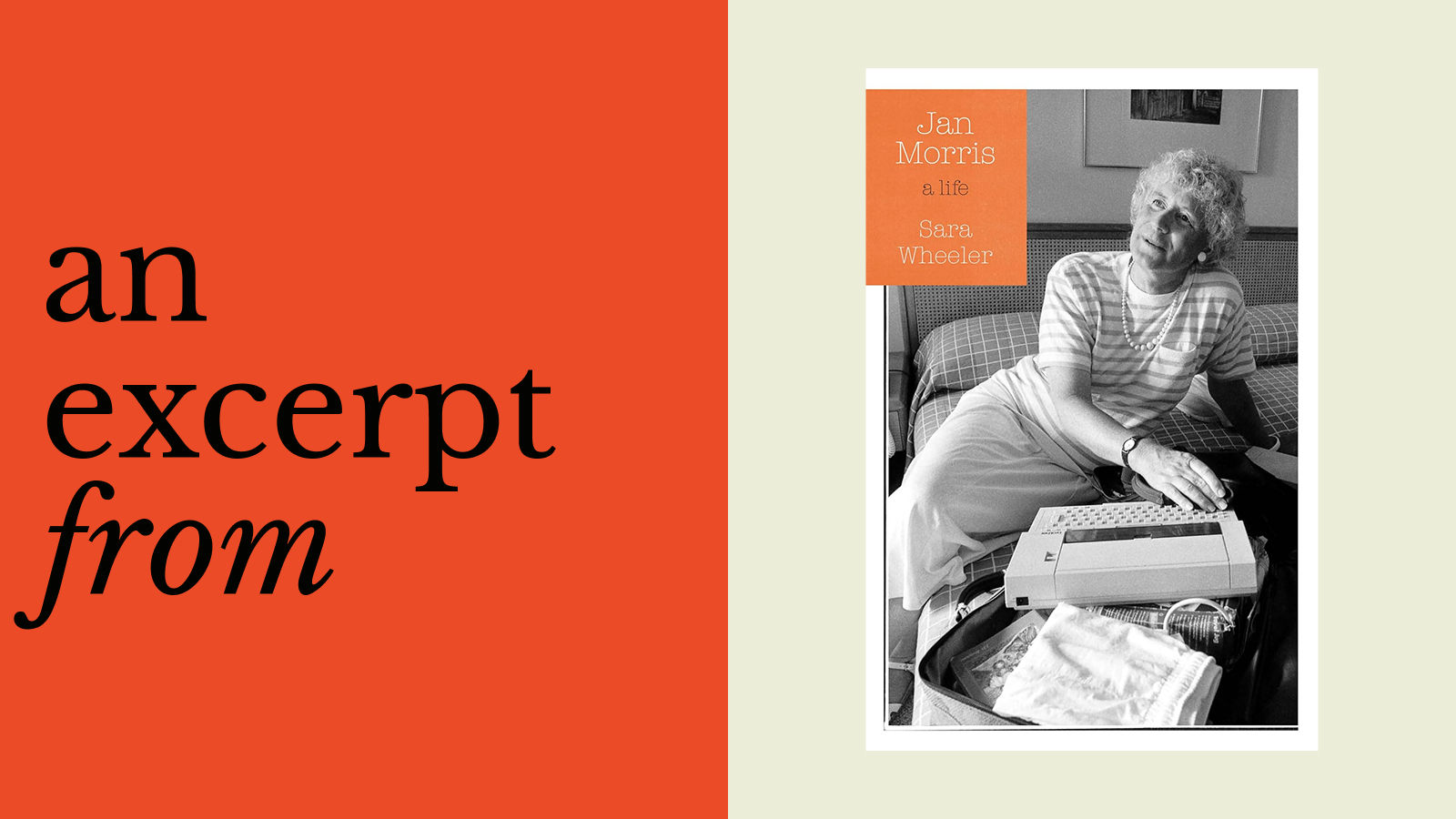
Jan Morris’s biographer confronts the limits of storytelling while trying to capture a life defined by contradiction and reinvention.
Your sense of self isn’t located in a single part of the brain — it emerges from a complex interplay of cognitive processes that change over time.
The top priority was to maintain the agenda.
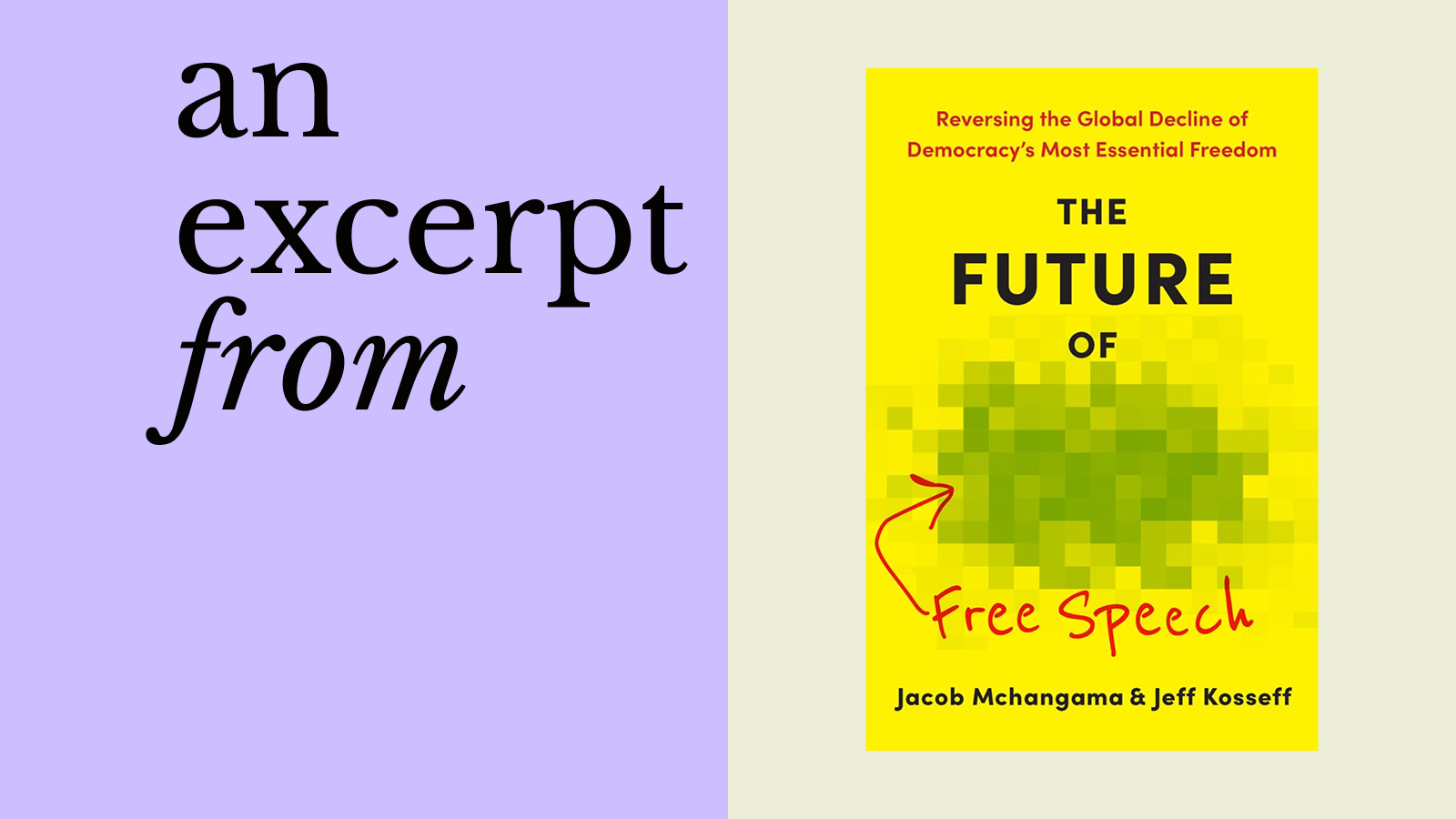
Germany built aggressive systems to combat hate speech, but the line between defending democracy and undermining it may be beginning to blur.
George Szpiro explores the philosophical ideas that explain why justice — not freedom or efficiency — may better anchor a fair society.
In this excerpt from her new book, Jennifer Shahade argues that the smartest move in life, as in chess, is sometimes a sideways one.
Howard Gardner joins us to reflect on the theory of multiple intelligences and why the question of who owns intelligence is more important than ever.
In this excerpt from The Wage Standard, Arindrajit Dube explains how “monopsony” gives some employers the power to set wages below competitive levels.
When America lost access to German dyes, the crisis revealed a startling truth: color was chemical, tactical, and essential to warfare.
Once land plants, seagrasses staged one of evolution’s boldest reversals — returning to the ocean and reinventing their biology to thrive beneath the waves.
Biblical scholar Bart Ehrman contends that our modern sense of altruism can be traced back to the radical shift in ethical thinking sparked by Jesus’ teachings.
Andy Weir’s novel blends humor, scientific rigor, and human ingenuity to make science fiction feel believable and thrilling.
By better understanding how the brain constructs pain, we may transform how we treat chronic suffering.
Classic literature reveals how resilience can be both a source of strength in troubled times — and a dangerous ideal.
In this preview, the Stanford professor muses on how emergence, arriving at complex patterns from simple parts, explains AI, brains, and life itself.
A preview of the latest book by Chinese history expert Charlotte Brooks