“Why don’t you write some ordinary poems that the rest of us can understand,” someone wrote to Muldoon.
Question: Why do you use such esoteric words in your poetry?
Paul Muldoon: I do use some very esoteric words, at least words that would seem esoteric in this culture, say, the North America, the U.S culture. And that’s partly because the hibernal English that I was brought up in, is just a different language, and it uses; there are still vestiges of Shakespearean English where I was brought up. That’s a language that’s not much used in North America.
Though funnily enough, they are probably more examples of it--you know, fossilization in the mountains of Virginia and the Carolinas than one might imagine.
So there are words that are indeed not much used in this culture, and I can see how people would be forgiven for thinking that I go out of my way to use these arcane-ish words.
I go out of my way to use the right word, that word that’s appropriate. I happened to be interested in language. I am a guy who you know in the bookstore will head not necessarily, not at all actually, for the novels first, but to the oddities section, to the section that includes all those books on how the language came to being and the etymologies of words and all that sort of stuff. I just love that. I always have.
I suppose for some people that may seem strange.
William Safire’s column seems to me to be an indicator actually that a lot of people are interested in such matters. I think we’re interested in the language we use, certainly many of us are. So it’s true.
Funny enough, I had an email yesterday from some random person saying, “I read your poem of yours in your website. Why don’t you write some ordinary poems the rest of us can understand?”
One would love to be able to do that as a matter of course and that is what I set out to do I suppose; insofar as I set out to do anything, but you know what it doesn’t always work either about that way, it really doesn’t and I suppose you know.
I would love it if Einstein--not that I am comparing myself to him--you know could sort of simplify his theory for me.
There are things about the world that are complex. In fact, almost everything in the world is complex. Beginning with the machinery that we are using to record this. It’s very complex. And moving then to one’s mobile phone, not to speak it one’s watch, not to speak of one’s person. The body is a very complex thing that we don’t understand, that we have failed to explain in any significant way. There is so much that we don’t understand about it.
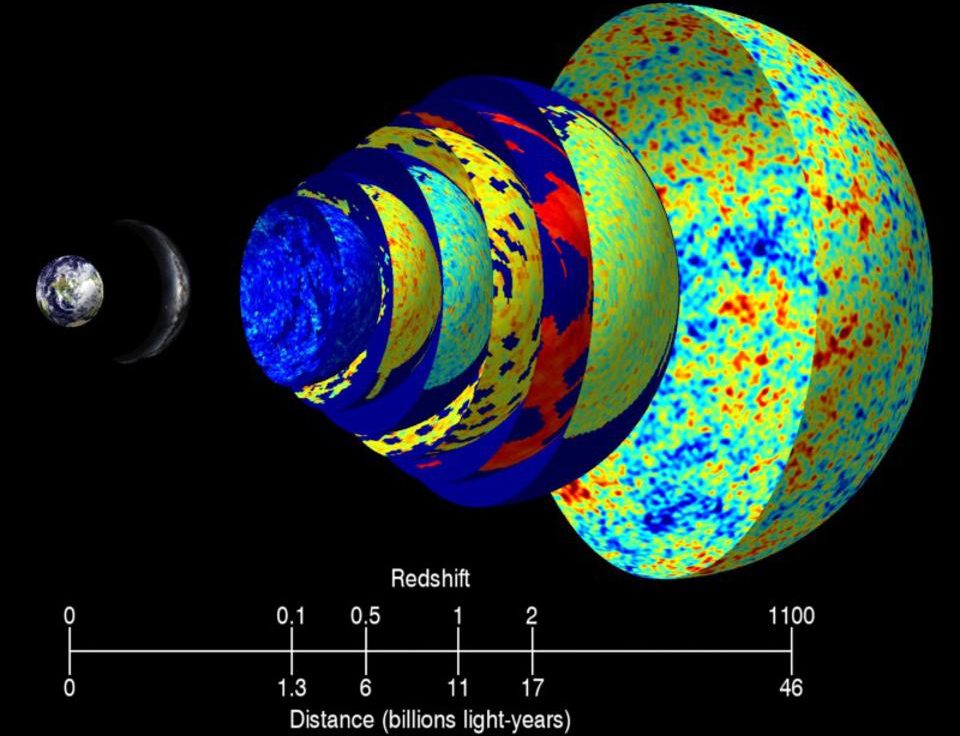
We understand nothing to speak of, of the universe; except some of these broad gestures, right? So it seems to me that to ask for a poetry lite, as it were, is a very understandable urge. It is. And it is one the poet themselves are taken by, because one does want some kind of clarification in the midst of it all, however momentary it might be. That’s what one’s after, some modest momentary clarification.
But we’re after that, because we realize that part of that clarification actually illuminates the complexity that surrounds it, and sometimes the clarification itself must contain something of that complexity.
And we know indeed that sometimes the poems that seem more simple, the ones that we remember, the ones that we go back to. Every time we go back to them, we realize actually they are not so simple at all. This is a big topic. It’s a big topic.
Recorded on: Jan 30, 2008