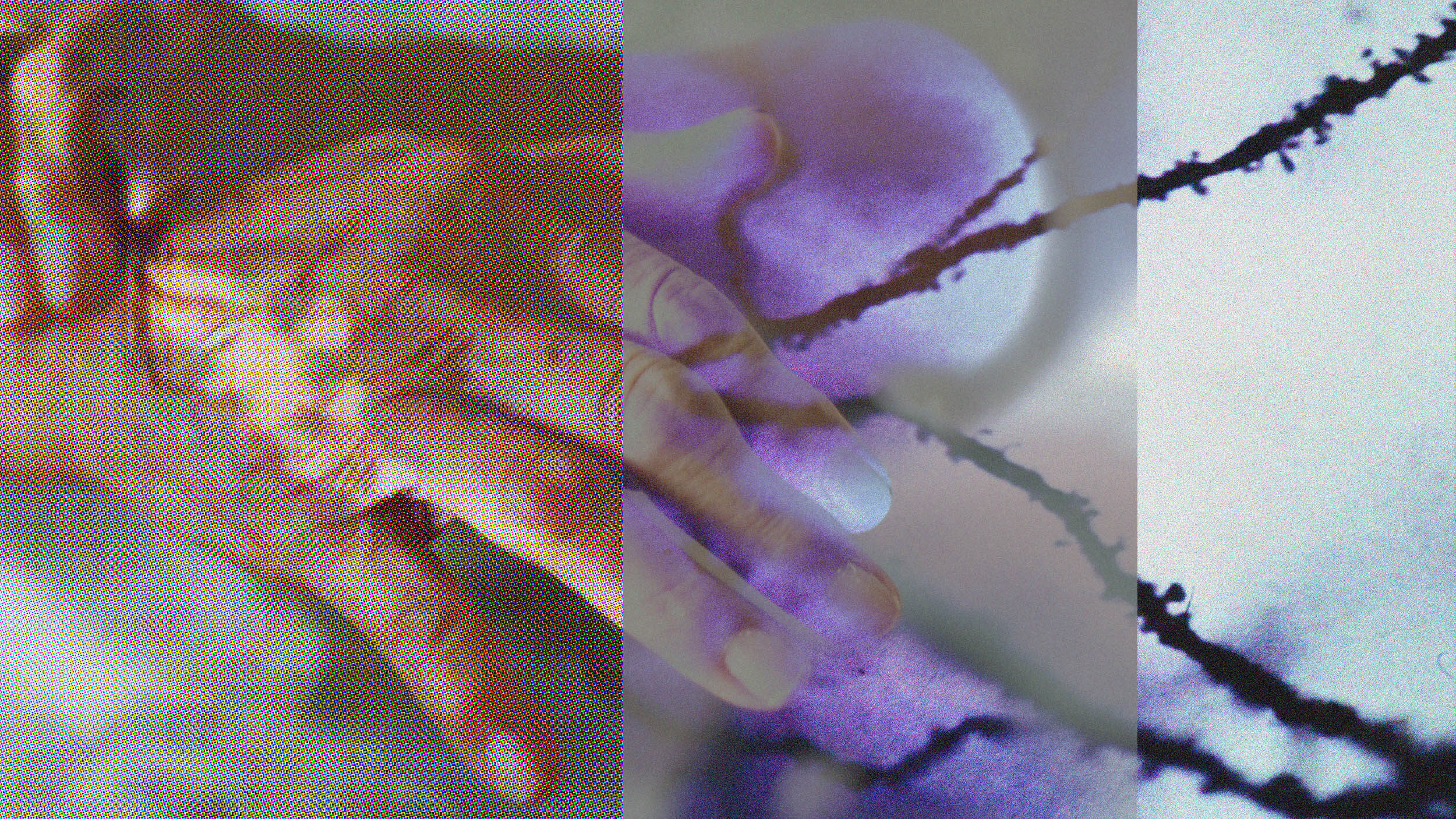
When you freeze human tissue, it may appear to be preserved superficially, but the ice crystals that form create massive cell damage, causing many cell walls to rupture.
Question: What are the practical applications of cryogenics today, and what potential improvements can we expect 20 to 30 years down the line? (Submitted by Sassan K. Darian)
Michio Kaku: Well Sassan, it's been the ambition of millionaires to have their heads, frozen in liquid nitrogen and at some point in the future. When we can cure many diseases, like cancer and things, we'll simply revive them. And in that sense of team a certain amount of immortality. Well, the devil is in the details.
First of all, if you suddenly freeze the human body, the problem is that ice crystals begin to form inside the cells. As the ice crystals expand, they rupture the cells. So in other words, freezing the human body seems to work only superficially, but if you look at the human tissue in the microscope, you find massive tearing and disruption of cell walls. Now, you may say to yourself, now wait a minute. Fish do it, right? Don't they simply get frozen solid in the wintertime? Frogs? Aren't they being able to thaw themselves out when it's springtime from a block of ice? And the answer is yes, but they do it with anti-freeze, that is glucose.
Here's how it works. You know, you put antifreeze inside your car, so even though outside, everything can be frozen solid, but inside your car liquids still flow normally and so your car still runs. In the same way, glucose is an antifreeze for frogs and certain fish that their bodies could still be in liquid form with blood circulating even though they are frozen solid on the outside.
Now, this doesn't mean that at some point in the future we might be able to create a natural kind of antifreeze for the body, however at the present time, the levels of glucose found in frogs and fish that enabled them to undergo suspended animation to kill a human being. So it would take genetic engineering. So I'm not saying it's impossible, I'm just saying that those organizations that advertise that you can live forever this way may be misleading the public because when the body is thawed out. What you have is dead tissue.
Directed / Produced by
Jonathan Fowler & Elizabeth Rodd