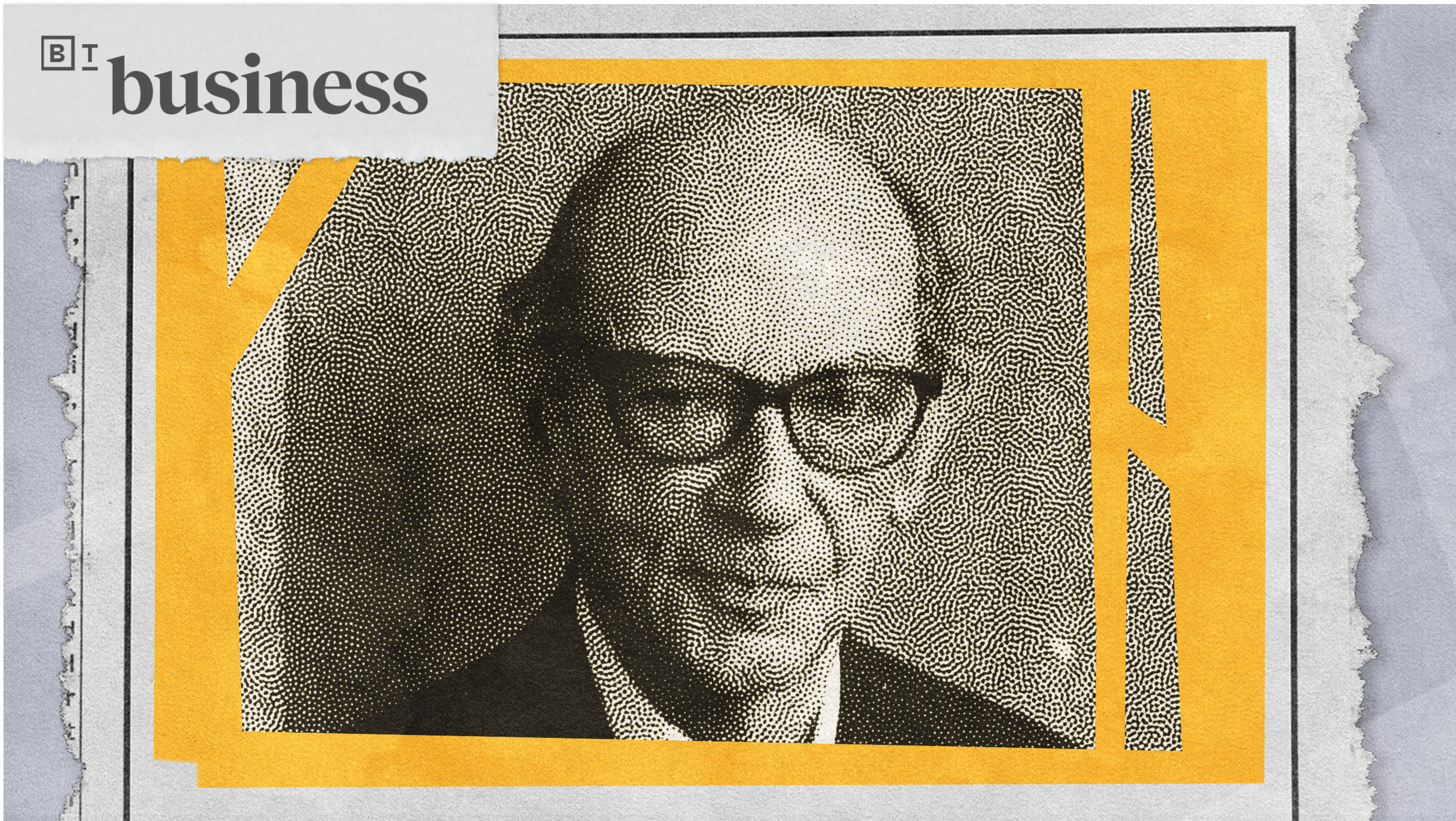
Dwayne Spradlin, CEO of InnoCentive, insists companies use this recession to fundamentally rethink their business.
Question: What opportunities does the economic downturn present businesses?
Dwayne Spradlin: Companies this time around I think have been much more resistant to just fundamentally cutting their innovations spent. I think it’s a lot more mature way of looking at the world because what it’s saying is we can’t control necessarily demand for our products during the downturn, but we want to be ready and willing and able, with all the right products when the economy comes back, to capture the full opportunity. So we’re gong to be there to take advantage of this crisis if you will.
That’s important because organizations then that substantially cut head count, that substantially change their business models, that made other kind of changes in their business, they very well be the disadvantage so in a crisis like this, the reality is you may not have the money in a way the way you did. So, you’ve got to look at how do I do both? How do I continue to be innovative? How do I continue to get my products out to market, but I may not have quite the same in the way of resources to put towards innovation as I did before.
That’s where something like open innovation comes to bear because these companies know they need to continue to innovate. They simply can’t turn it off because they’ll pay for that for years, but they got to do more with the same or less than they ever have before.
The smart CEOs right now are using this crisis as a vehicle not only for looking to capture more market share when the economy returns, but is a fundamental pivot point in which to change the way their businesses operate, to make them more competitive in the future.
Recorded on: June 3, 2009