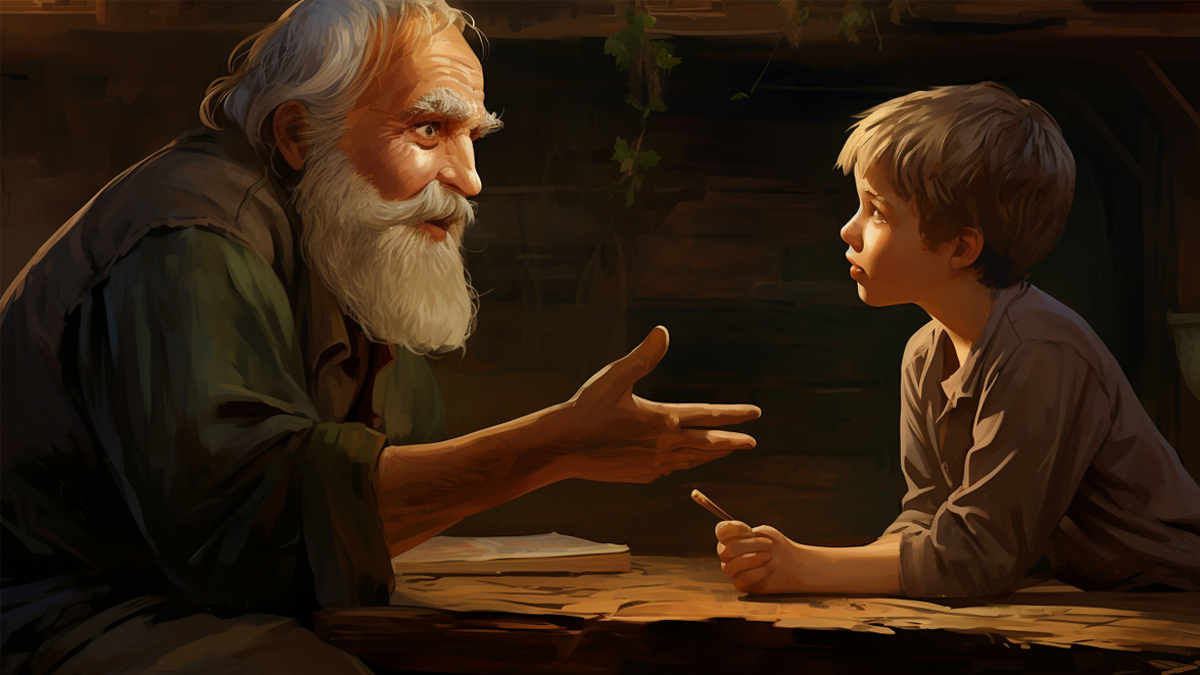
Kohut has a philosophy of keeping his own philosophy out of the way.
Question: Do you have a personal philosophy?
Andrew Kohut: Well the personal philosophy that I’ve developed is to be independent and not . . . I’ve worked very hard to not let my own political point of view get in the way of what I do. I think that’s an awfully important thing to do for . . . for people in the polling business and in the media more generally; to not let your own views about . . . about an issue or about an individual color the way you write questions, the way you interpret questions. If you begin to bring your own take to things, you will do yourself in ultimately in terms of writing accurate and honest reports. The other important thing to recognize about what we do is unlike a lot of . . . of material that’s . . . that’s . . . that’s put forth about politics and media, we get . . . we have a report card. You know come Election Day . . . The day before the election we put out a poll, and we say, “This is what we think is going to happen.” Or, “This is where the other electorate is as of today.” And we also talk about what might happen between today and tomorrow. And the world gets to . . . Since we are on the public record, the world gets to see whether we’re right or wrong. Now having that challenge, and having that . . . being put up to that kind of scrutiny, you really work very hard to get it right. I mean I . . . One of the great things about my career is that I worked for the pioneer. I worked with George Gallup. And I can also remember Gallup being completely flummoxed by people who accused him of being, you know, a Republican or a Democrat. You know, and what Gallup wanted was to get . . . get . . . get the damn poll right. And I think that’s what most of us who work in the public . . . Well not most of us . . . all of us who work in the public domain . . . I mean the worst thing in the world is you’ve had a poll that’s shown consistently this, that, or the other thing, and it . . . reality turns out to be something else.
Recorded on: 9/14/07