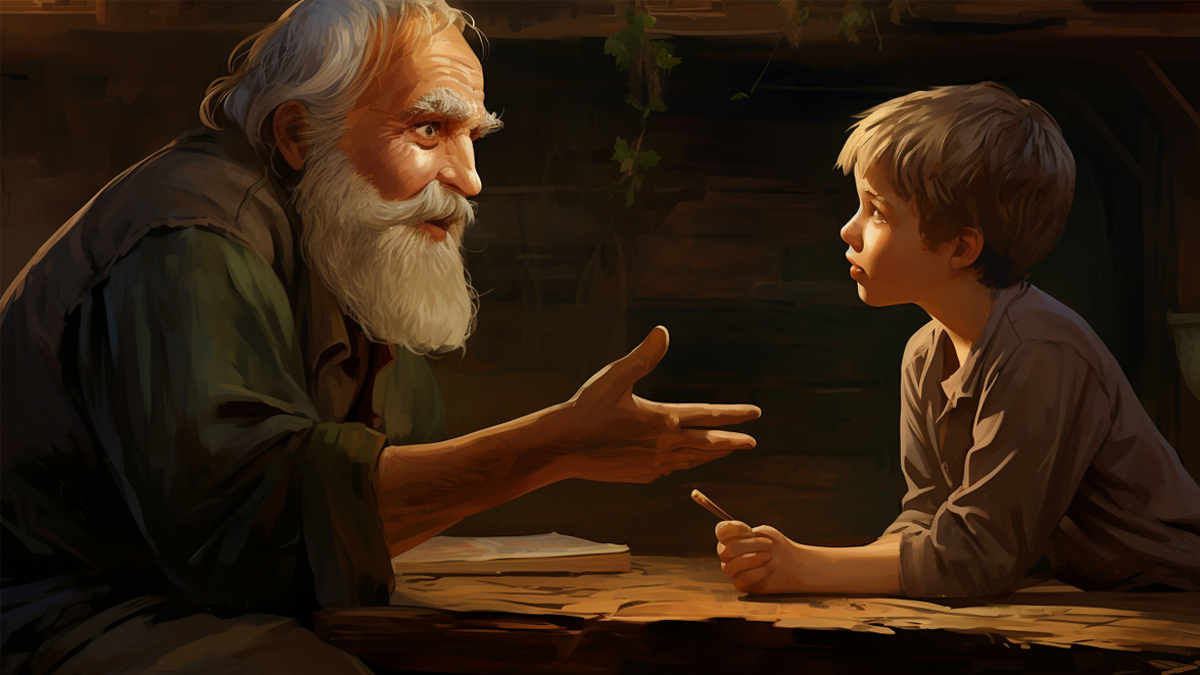
Iweala talks about how his interactions with people inspire him and why he thought he could write in the voice of a child soldier.
Question: What is your creative process?
Uzodinma Iweala: It’s just watching people. It’s interactions with each other, my interactions with people. Like I’m really just fascinated by how we deal with each other as human beings. And if anything, that’s probably the primary inspiration for anything and everything that I write. You know of course then you . . . you have all the other things that everybody always likes to hear about, which are like jazz music and this and that. And I’m like . . . I’m one of those people. Shoot. I hear a good song and I start thinking, “Oh shoot. You know there’s a story that can be told to this,” and whatnot. But you know again, it all goes back to like, oh, I remember seeing this woman in a café on the corner and she looked like this. What was going on there? You know what did I think was going on? What can I say about that? Or you know I read this newspaper article about child soldiers, and it’s like, oh shoot, there’s a lot to be said about this. What stories can come out of this? That’s . . . that’s really what it is, and that’s the biggest inspiration. I think the thing that . . . that really bothers me, right, about work and work that I think doesn’t . . . that I don’t really like is work that doesn’t strive to . . . to look at multiple perspectives; work that oversimplifies things. That really irritates me, whether it’s in music . . . Like you look at, for example, rap music now versus rap music from, you know, a decade ago, two decades ago. I mean that was when I was like, what, four years old or something? You know but you go back and you look at . . . I had uncles who were listening to that sort of stuff. And you know when I got into high school or whatever, there were certain artists that were out. I mean you know that’s just one of the things. And it’s not just rap. It’s like music in general. I mean you look at some of these artists that come out now, and it seems so oversimplified.
Recorded on: 10/7/07