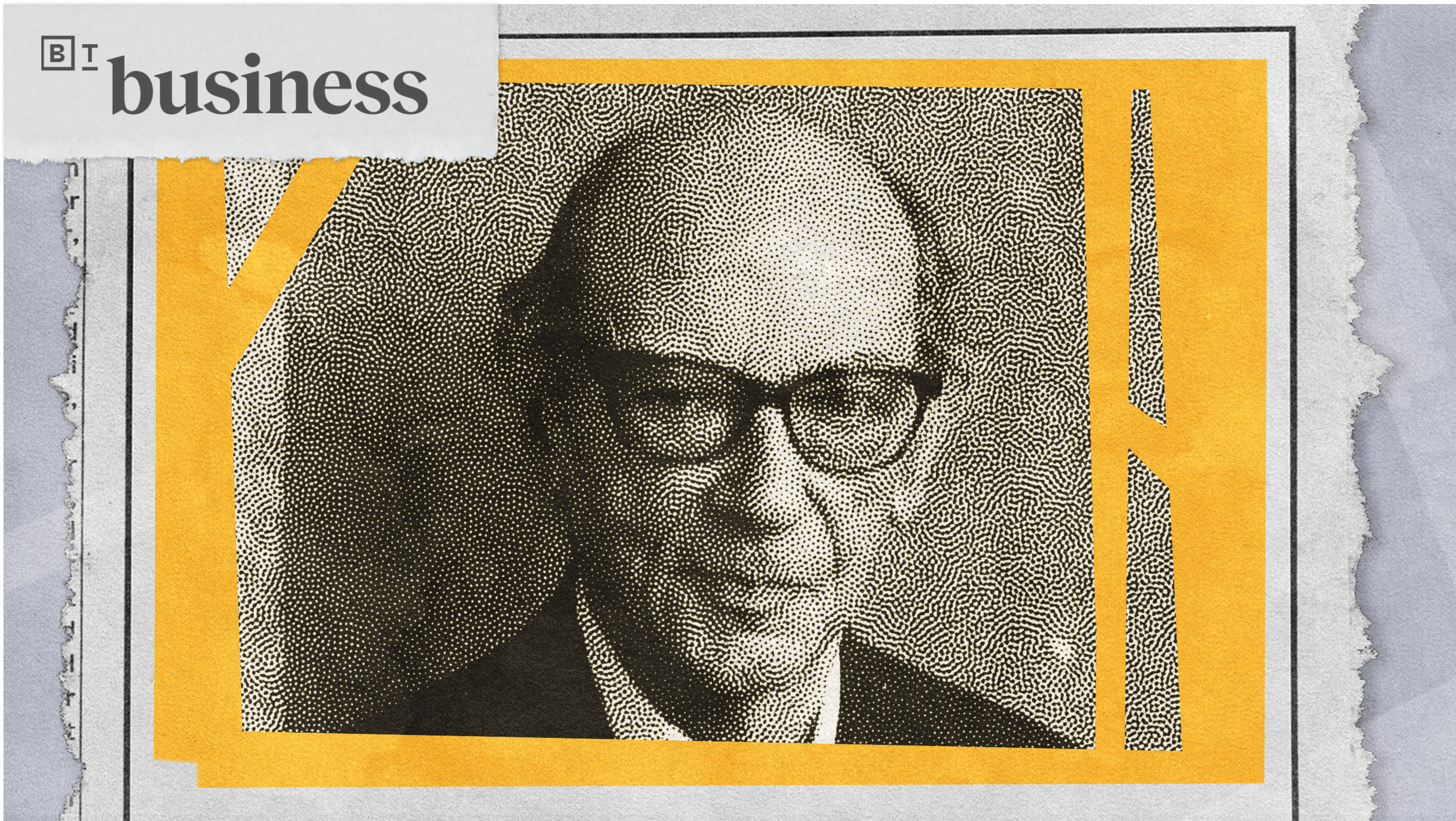
There aren’t set standards for bloggers the way that there are for print journalists, but there are still some rules that everyone should follow: “Don’t lie, and if you’re wrong, correct.”
Question: Should there be journalistic standards for bloggers?
Andrew Sullivan: Well they can’t be held to anything, that’s the thing. It’s like the United Nations, I mean; you don’t have the power to coerce anybody to do anything and in my view, nor should you, online. There are things called, I mean, standards evolve through experimentation. My own view is simply that there are some very basic rules; very simple rules that apply to all writing in a way, which is: don’t lie; if you’re wrong, correct; do not misrepresent; and try and keep oneself intellectually honest—which means, as a writer, the very difficult task in public of admitting you were wrong.
I mean, obviously, one should try as much as one possibly can not to be wrong, not to get things wrong. I’m actually quite proud and I’m very proud of the fact that The Dish has very rarely made any serious factual errors. We may have made errors of judgment or of opinion and I may have occasionally popped off when I probably should not have done, but even in really, really, really sort of dangerous territory, I don’t think anybody has ever caught me stating something that’s untrue, unless it’s by accident or mistake in which it has been corrected. So, look that is, that’s the only standing up you have. There is no way to police that, nor should there be except by readers figuring out who’s honest and who isn’t.
That’s how reputations emerge. The New York Times had not become The New York Times overnight. It had to earn its reputation day-by-day. And I think you earn your reputation for honesty and integrity literally hour-by-hour, and taste for that matter.
As for taste... what I love about the Internet and what I try to do on the issues is insist upon the ability to have bad taste if one wants. I mean, The Dish is a rare blog inasmuch as it will have discussions with Rooty and Oakeshott and Leo Strauss along with you know, the... that great TheyRapeYourKids Mashup, and Auto-Tuning.
But I actually think that that’s the world most grown up intelligent people of my generation belong. And we see a contradiction between "South Park" clips and discussions of theodicy.
I don’t believe in those... I don’t believe in those categories, never have. I’m a high/low kind of guy. And I also believe that the English language is robust enough to use good ole Anglo-Saxon words instead of these ridiculous circumlocutions you’ll find in established, old-fashioned journalism. So I still cherish the fact that even in The Atlantic Monthly, I think sometimes the consternation of some people, you know, I can say the word "fuck" and they can’t stop me. And I still have enough of an adolescent streak to be kind of happy about it. That’s why I get along so well with the "South Park" dudes because I think they have... they get a thrill out of that too. Pushing, pushing, pushing the envelope of what we can say and what we’re allowed to talk about.
Recorded on October 12, 2010
Interviewed by Max Miller