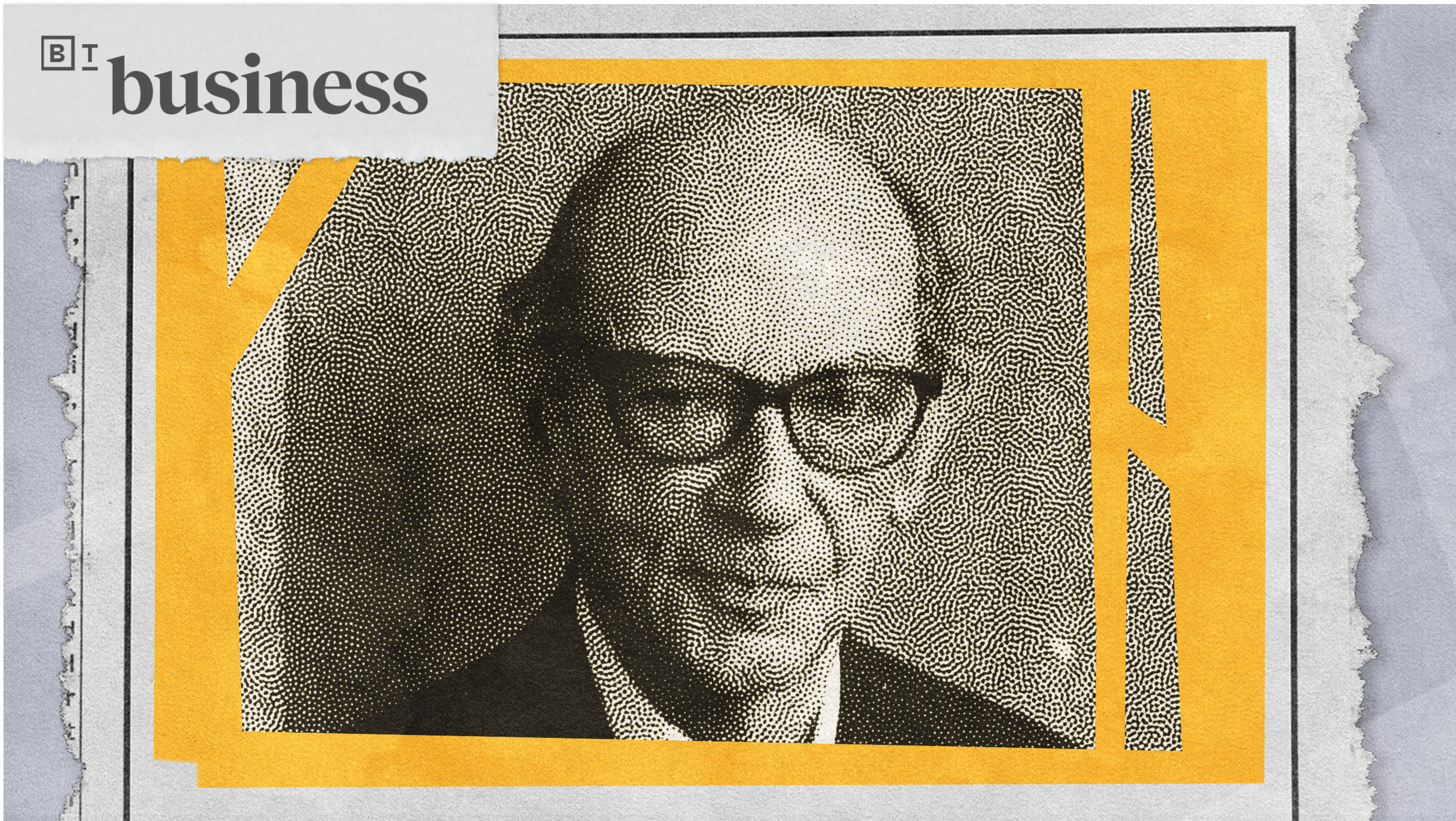
Ted Kennedy: Well in some ways it’s altered. In some ways it’s changed. In other ways it’s remained the same. I think the programs change and times change, but values really don’t change. I mean people’s concern for other people; people’s understanding of what the Constitution is really about, and the Bill or Rights and their devotion to it.
Maybe changes that we see a time where we see those rights may be threatened more than they have been at other times; but in the concern that I see on the floor of the United States Senate, among Democrats, among Republicans, there is a very still core understanding and awareness that America is just not a land, but it is a promise; and that each time and each generation has to fulfill the challenges of the time and the promise of America.
I think when I first arrived in the United States Senate, it was primarily a knocking down walls of discrimination. We still have a ways to go, but we were looking then after passing Medicare, Medicaid, our education at that time.
Now there are different challenges, both in terms of trying to protect Constitutional rights and still in terms of education and healthcare, and also in terms of how we can end war. So the issues themselves might change. The institution itself has altered and changed.
Probably the most dramatic change has been sort of the power of money in politics. I’m a longstanding supporter of public financing. I think people ought to be accountable to their constituents and not accountable to the contributors. That’s still a battle that has to be worked through in the Congress.
But what is left now in terms of when I first arrived and now still is much more important than what divides us – what remains the same.
Recorded on: September 14, 2007
Discuss
Dea Whitewing on February 11, 2008, 6:58 PM
It is unfair of the already developed countries to demand that the developing countries take the often more expensive route to development. Just because they got their first does not mean that others should be denied the riches and comfort. However, the developing countries have an advantage. Because they are a couple of decades behind they don%u2019t have to go the same smoggy route the developed countries went through. Already more environmentally friendly ways of energy production and waste recycling are available, and the developing countries should bare the expense now and invest in them. The countries that have already developed have a rigid infrastructure making it difficult to adjust to the new ways, the countries that now stand ant the fork in the road should choose to go environmentally friendly and invest in the future. After all they would not have to bare the expense down the road to redo the entire infrastructure that has already been built.
Dea Whitewing on February 11, 2008, 11:58 PM
It is unfair of the already developed countries to demand that the developing countries take the often more expensive route to development. Just because they got their first does not mean that others should be denied the riches and comfort. However, the developing countries have an advantage. Because they are a couple of decades behind they don%u2019t have to go the same smoggy route the developed countries went through. Already more environmentally friendly ways of energy production and waste recycling are available, and the developing countries should bare the expense now and invest in them. The countries that have already developed have a rigid infrastructure making it difficult to adjust to the new ways, the countries that now stand ant the fork in the road should choose to go environmentally friendly and invest in the future. After all they would not have to bare the expense down the road to redo the entire infrastructure that has already been built.
Roberto Valle on April 2, 2008, 8:36 PM
It is Fair to ask, we can´t just talk about monetary development, developing countries should also focus on quality of life, quality of life meaning, protecting the environment, fair wealth distribution and the protection of all human rights. Developing countries should consider these aspects for long-term growth if they really want to become first world countries.
Jenny G. on April 2, 2008, 9:01 PM
This is a question that many people ask, because of China and India. However, Asian cars have a HIGHER MPG standard than their American counterparts. Ford even made a $3K car for India, but won't allow it in the US!!! It's 2 BILLLION people against 300 MILLION Americans, so if they don't want to be ECO friendly,then we're not going to fight about it. When we become ECO-consumers, and make it cool to be GREEN, we will power up new industries in our country, so that if China and India want our business, then they'll have to compete. Americans have to commit to going GREEN in government, media, technology, education, employment, transportation, and recreation, so that in 50 years the developing countries will transform into GREEN societies too.
Roberto Valle on April 3, 2008, 12:36 AM
It is Fair to ask, we can
Jenny G. on April 3, 2008, 1:01 AM
This is a question that many people ask, because of China and India. However, Asian cars have a HIGHER MPG standard than their American counterparts. Ford even made a $3K car for India, but won’t allow it in the US!!! It’s 2 BILLLION people against 300 MILLION Americans, so if they don’t want to be ECO friendly,then we’re not going to fight about it. When we become ECO-consumers, and make it cool to be GREEN, we will power up new industries in our country, so that if China and India want our business, then they’ll have to compete. Americans have to commit to going GREEN in government, media, technology, education, employment, transportation, and recreation, so that in 50 years the developing countries will transform into GREEN societies too.
jordan haines on April 23, 2008, 4:29 PM
The push to go green needs to be a global effort however it does seem that many "developing nations" will have trouble making the switch. It is the responsibility of stronger and more developed nations (…like America…) to support these countries. The effort to go green seems to be very individual. People focusing on themselves and countries focusing on themselves. A global effort can be much more organized and effective and is necessary if we (humans) are serious about all of this. After all, we're all in this together…
jordan haines on April 23, 2008, 8:29 PM
The push to go green needs to be a global effort however it does seem that many “developing nations” will have trouble making the switch. It is the responsibility of stronger and more developed nations (…like America…) to support these countries. The effort to go green seems to be very individual. People focusing on themselves and countries focusing on themselves. A global effort can be much more organized and effective and is necessary if we (humans) are serious about all of this. After all, we’re all in this together…
Douglas Whitmore on May 8, 2008, 1:23 PM
"Developing" countries cease to follow their natural inclination to be 'green.' Most societies, cultures assumed to be undeveloped are naturally 'greener' because they do not yet employ the technology that pollutes. Not all, of course, as throughout history we know there have been decisions and changes leading to, at least, health pollution.
Unfortunately, it has been the major global polluters who have been allowed to bring these ideas and the processes which turn a "under developed" country into one which is adding to the global desecration mix (and with less experience and knowledge than their 'teachers').
So, penalizing the oppressed-turned-into-oppressor is a band-aide at best, when the focus needs to be put on the "non-green providers" of contaminates , leading to what is poorly labeled – development.
Connecting-to-the-Value-of-Why 2005-2008 ©
Douglas Whitmore on May 8, 2008, 5:23 PM
“Developing” countries cease to follow their natural inclination to be ‘green.’ Most societies, cultures assumed to be undeveloped are naturally ‘greener’ because they do not yet employ the technology that pollutes. Not all, of course, as throughout history we know there have been decisions and changes leading to, at least, health pollution.
Unfortunately, it has been the major global polluters who have been allowed to bring these ideas and the processes which turn a “under developed” country into one which is adding to the global desecration mix (and with less experience and knowledge than their ‘teachers’).
So, penalizing the oppressed-turned-into-oppressor is a band-aide at best, when the focus needs to be put on the “non-green providers” of contaminates , leading to what is poorly labeled – development.
Connecting-to-the-Value-of-Why 2005-2008
Add a Comment
You must be logged in to comment. Log in or Register