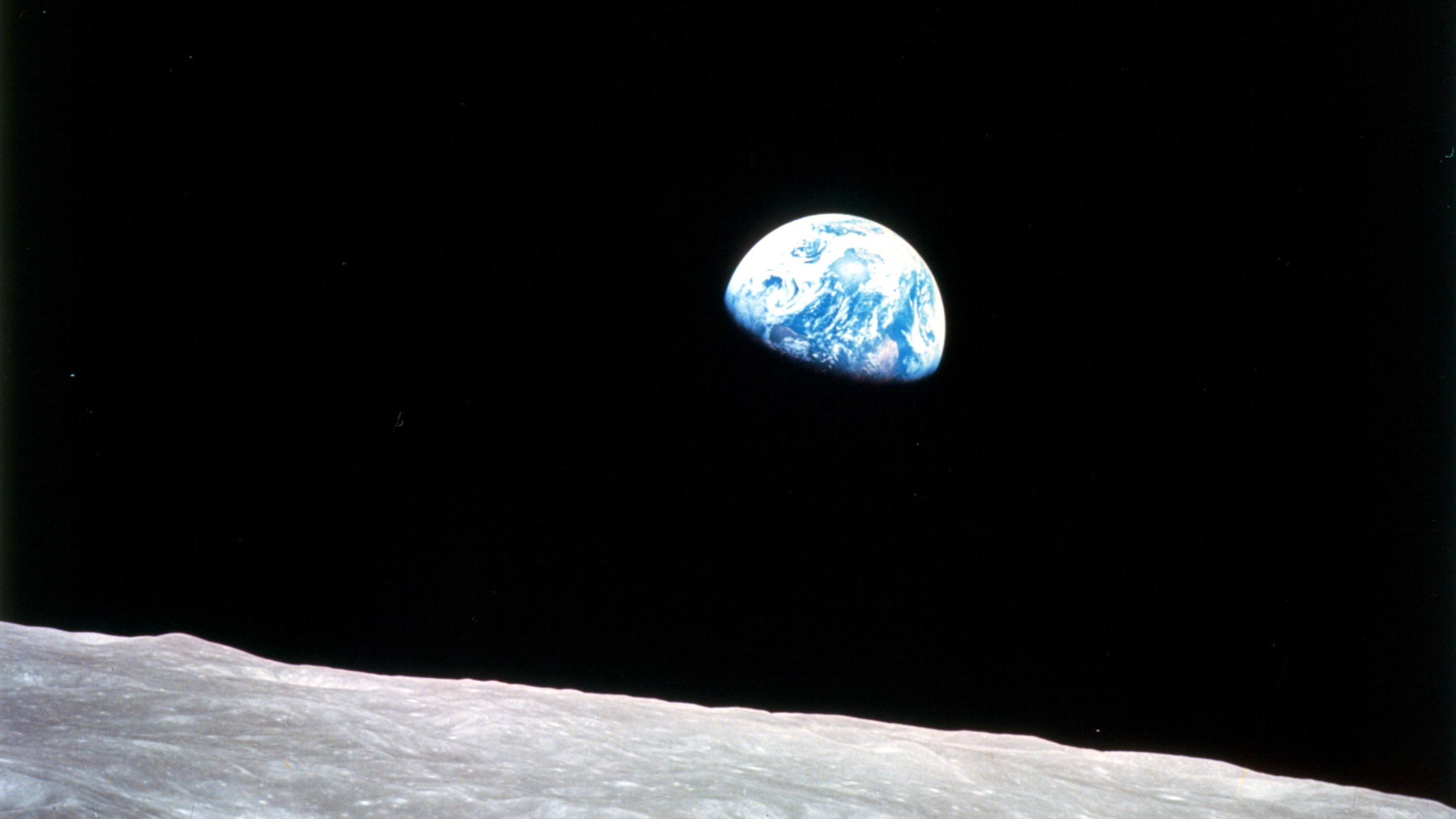
You know, we’re surrounded by eternity on both sides and we’re here for a fleeting instant. And yet, we have ushered in a whole new force in nature, right?
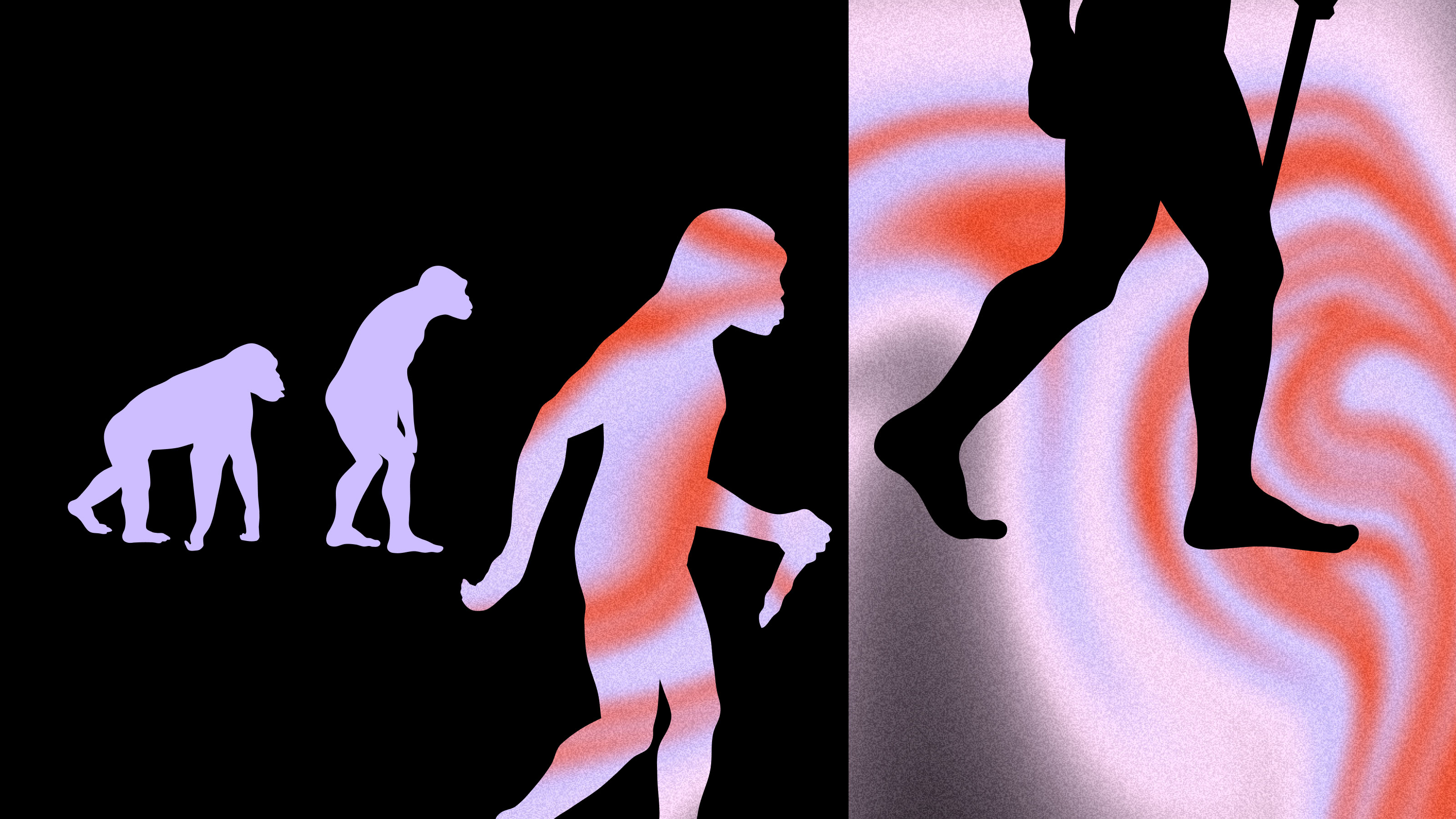
Ideas, ideas are just as real as the neurons they inhabit. They leap from brain to brain. The ideas have retained the properties of organisms. And even though ideas, which have come out of us, are not made of nucleic acid, they have achieved more evolutionary change in the last 100 years than biological evolution and genes did in a billion years.
That’s the whole James Gleick and Richard Dawkins argument from that essay “What is Meme” about the power of ideas.
And ideas, in a way, are immortal.

Monthly Issue
May 2026
The Power of Play
In this monthly issue, we take a closer look at how games, imagination, and creative experimentation shape identity and culture.
1 video
15 articles