The positive effects of happiness go well beyond simply feeling good. Researchers have repeatedly shown happiness to increase success, financial gain, mental health and even longevity. And through painstaking experimental work, they've narrowed down the direction of the causal arrow.
The research shows that it's not that having health and wealth make one happier, but happiness that must come first.
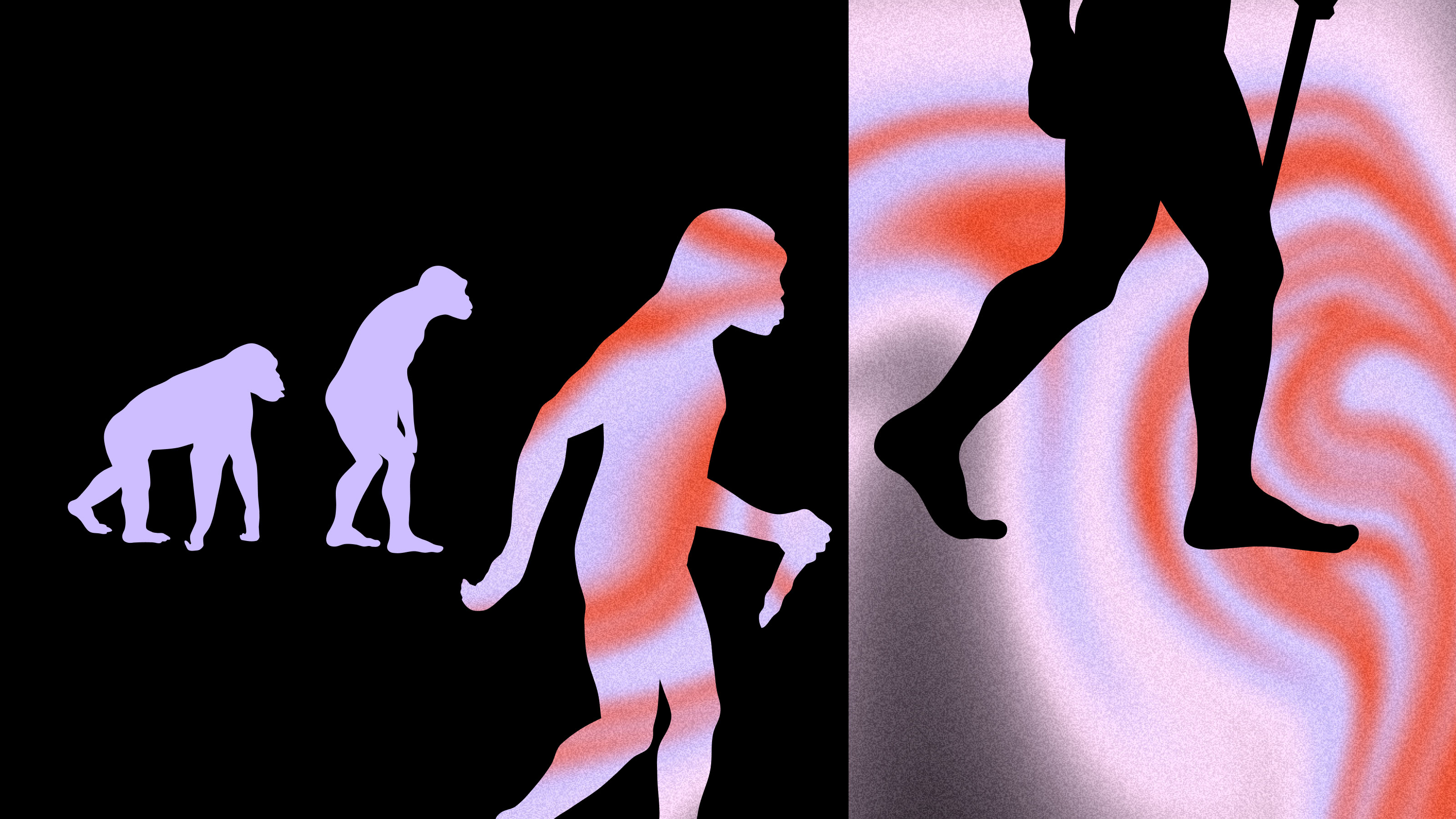
Unfortunately, it will take years for most people to reach their peak of life enjoyment as happiness ratings, on any number of dimensions, tend to increase with age.
Indeed, one of the few undisputed--or less disputed--benefits of aging is greater overall life enjoyment, that more positive evaluation of everyday existence. This phenomenon of increasingly focusing on "happy" information is known as the positivity effect. But why does it happen?
A recent study in Emotion suggests that older people lose the negative valence bias of their more youthful counterparts. That is, rather than simply gaining a positive outlook, they look less at potentially negative inputs, and when they do take in negative information, they see it in a more positive light.
This processing change is physiological as well as mental: the study used neurophysiological indicators to map the presence of negativity bias in an emotional memory task, and showed that the positivity effect could be observed in brain and body chemistry as well as behavior. So, when older subjects did not exhibit negativity bias during recall, the relevant neurophysiological measures were substantially correlated with behavior, suggesting that actual internal changes accompanied the external absence of negativity.
So can we beat the aging machine and engage the positivity effect as early as possible? The results of a recent collaboration of leading happiness researchers has one suggestion: focus on in-the-moment positive emotions, not "general" life evaluation.
According to the study, positive everyday thoughts increase ego resilience, which in turn leads to increased overall life satisfaction. The findings are based on the "broaden-and-build" theory: happiness leads to thoughts that are more creative than those needed for immediate survival, and that over time, become important resources themselves. These resources in turn improve life quality. It's a cycle: positive emotions make for greater resilience, which in turn increases positive emotions. The key it seems is to think happy thoughts often and regularly in response to the mundane. The general picture matters far less.
When Big Think interviewed Sam Harris, he agreed, suggesting that happiness was an intrinsic awareness in the present moment, focused attention on immediate experience that is not contingent on the next good thing that is going to happen.
Leading happiness researcher Dan Gilbert, however, would likely urge caution in over-applying this advice. The future is important, and forecasting for it, thinking about general well-being, is part of how we become happier in the present.
As with everything, the happiest people are likely those that have struck the right balance. But it's not easy to put negativity in perspective when things go wrong. Sometimes it takes a near-death experience to appreciate the small things that go right on a day to day basis. Short of that, the best we can do is try.
Discuss
Vicki Nikolaidis on June 11, 2009, 2:49 PM
Maria, this is a very timely blog, especially for me! Five minutes ago I was ready to view a news program from The States. First I checked out the headlines and I stopped to consider, “Is this the information I need to hear right now?” I’m very proud of myself because I turned away form the bad news of the headlines and opened Big Think instead. I’m proud of myself because I was present enough to consider my options and make a choice. For me at least living-in-the-moment is learned behavior.
I noticed my teenagers have a way of seeing the negative that may be natural for their age but disturbs me a bit. I realize we are always having conversations that are just the sharing of ‘opposite’ views. They make a negative observation and I put a positive spin on it! So in my family the theory in Emotion is playing out.
I try to model for them the two steps to happiness that are working well for me.
1. Forsake passing judgement.
2. Release investment in my expectations.
And the only way I can make these two steps is by staying rested and taking care of myself instead of hurling from project to project until I have to stop due to exhaustion.
I like Sam’s description of happiness as being “at rest with what is happening right now.” Straightforward and easily understood.
Dan’s research is very interesting and useful. I may use “things don’t matter as much as we think we will” as my new mantra!
I have an active interest in technology but I probably feel anger as much as enjoyment from the hi tech tools I use. But when I stop to smell a flower I consistently feel a moment of peace, satisfaction or, what you could call, happiness.
Dan’s last point is very important. From my experience one can be happy but to pursue happiness is a futile endeavor.
I find I can be happy and still engage with the future without a problem.
Maria Konnikova on June 12, 2009, 1:33 PM
Vicki, Thank you for your thoughtful response. Living in the moment is indeed learned behavior, and one that we need to remind ourselves of frequently. I’m glad to hear that you’ve tried passing the enjoyment of everyday life on to your daughters, and am sure that over time, they will reflect on the wisdom of the advice. You’re right to point to the importance of everyday choices—and it’s not just the decisions to do one thing versus another that matter, but the decisions to focus on the positive aspects of events that we did not choose to experience that will prove critical over the longterm.
Add a Comment
You must be logged in to comment. Log in or Register