


Directives rarely inspire change. The most effective leaders use stories to make transformation memorable, resonant, and actionable.

Julia Dhar is a Harvard-trained behavioral scientist and a managing director at Boston Consulting Group, where she founded and leads BCG’s Behavioral Science Lab. She has spent more than a[…]

Why we should balance innovation with stewardship — while reframing the “techno-optimists versus doomers” polarization.

Andrea Bonime-Blanc, JD/PhD, is founder and CEO of GEC Risk Advisory, and a board member and advisor. She is the author of Governing Pandora: Leading in the Age of GenAI[…]

AI will shape the future of work, but human leadership will decide whether that future is good — and happiness should be the touchstone.

Nic Marks helps organizations measure and improve team happiness. He is the author of Happiness is a Serious Business and founder of Friday Pulse, a London-based tech company.

New tech is a double-edged sword. Integration can be expensive and perilous: Mess up the adoption and jobs are on the line.

We used to think, “That email isn’t going to write itself.” But now it can, thanks to AI. And there’s so much more, from coding to marketing.

Your organization won’t become a “data democracy” organically — shared knowledge is key.
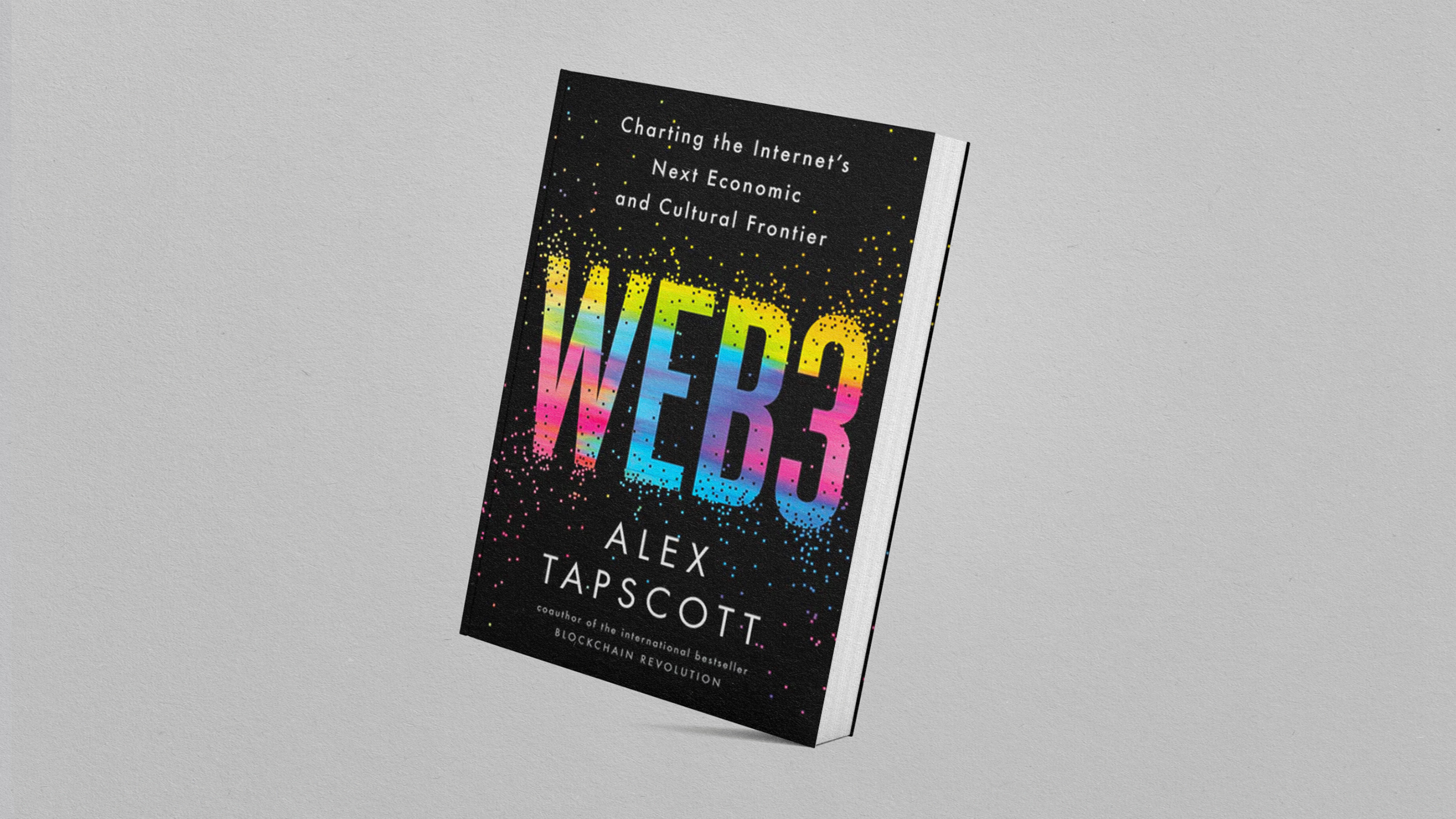
A “stakehodler” has both a voice and a vote, an economic interest in how each network stewards important global resources.
Generative AI — driven by large language models — has the potential to destroy or supercharge most businesses. Now is the time to pivot.

It will be immensely difficult for the Bitcoin and Ethereum blockchains to protect their competitive edge if they do not pursue a radical change.
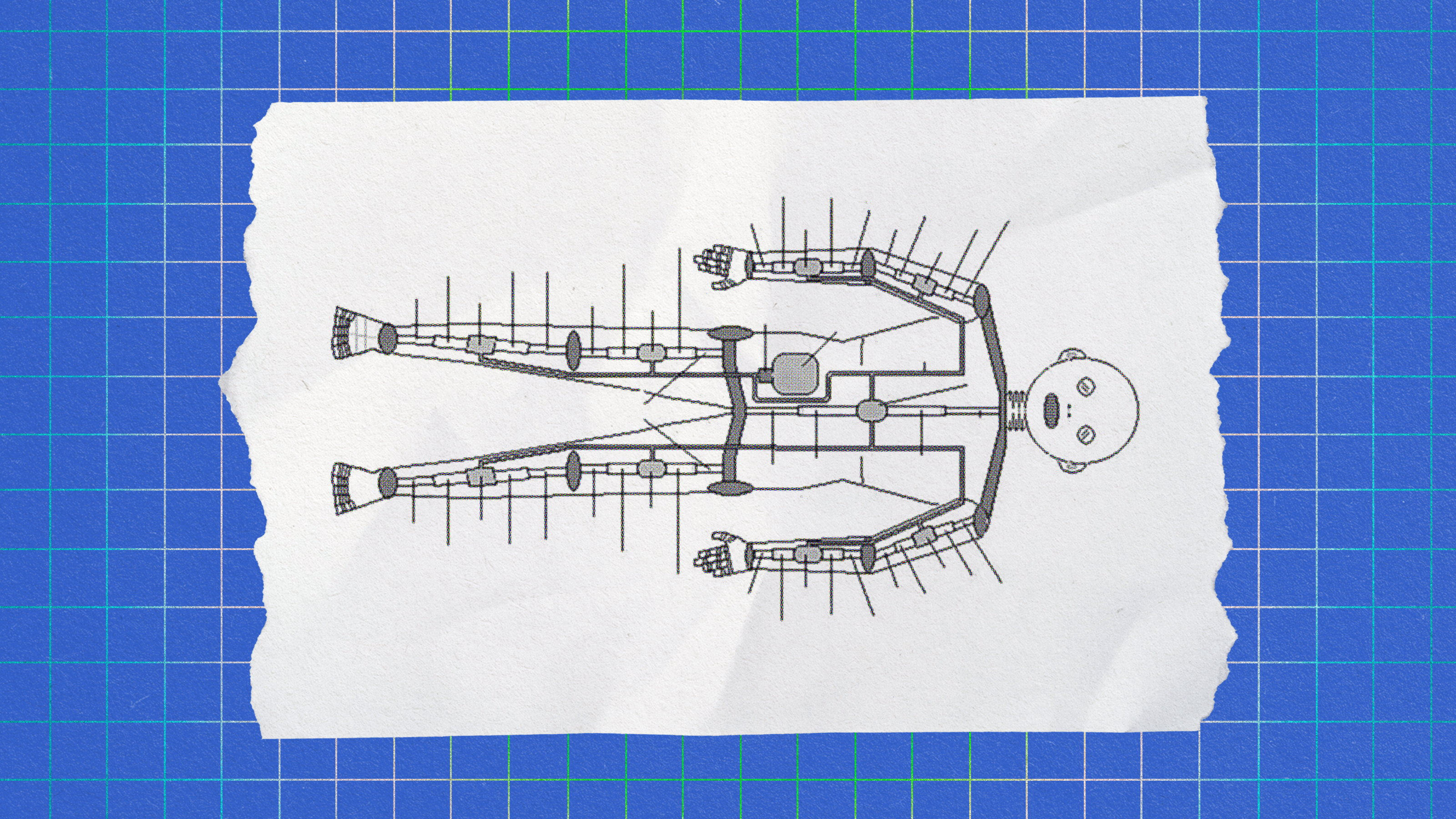
In history, every major technological advance has been used, for good and bad.
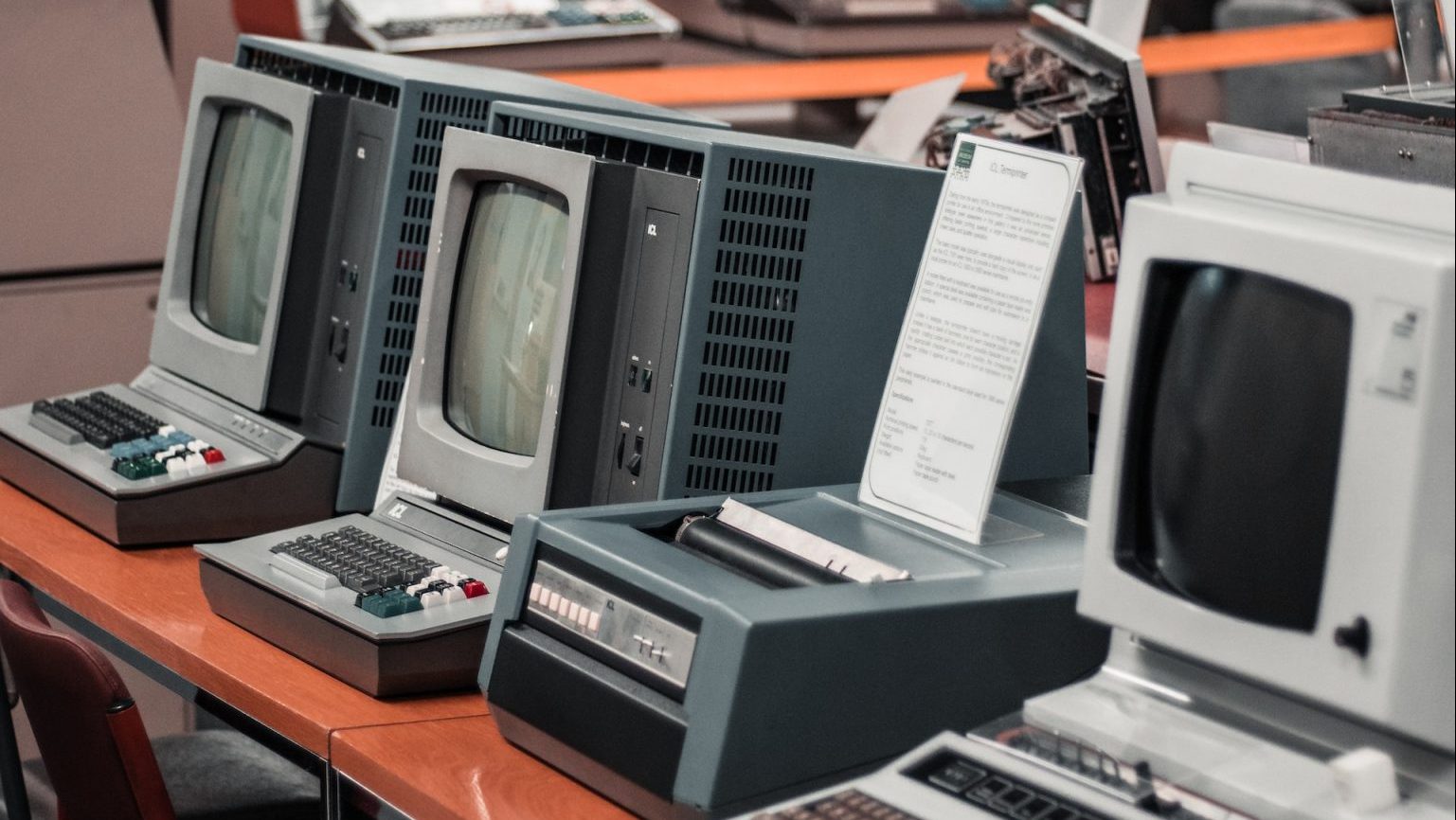
Despite their brief history, computers and AI have fundamentally changed what we see, what we know, and what we do.

Predicting how emerging technologies will impact industry is more difficult than it seems—and it seems plenty difficult. The reason is that we envision the future based on the present. We […]