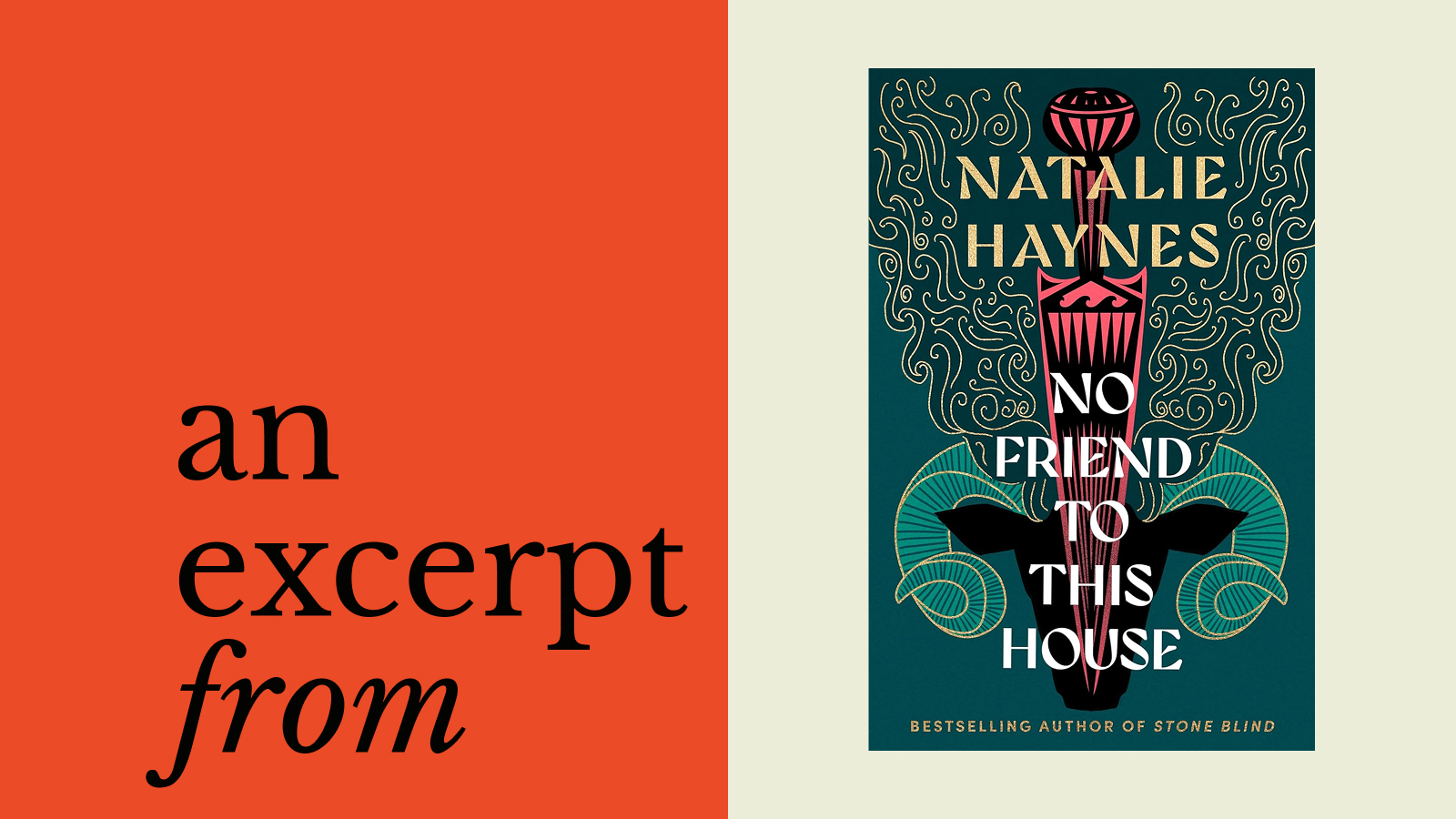
A preview of the latest novel by the New York Times bestselling author.
Anne Lamott and Neal Allen join us to discuss why embracing constraints can be the best way to find freedom in the craft.
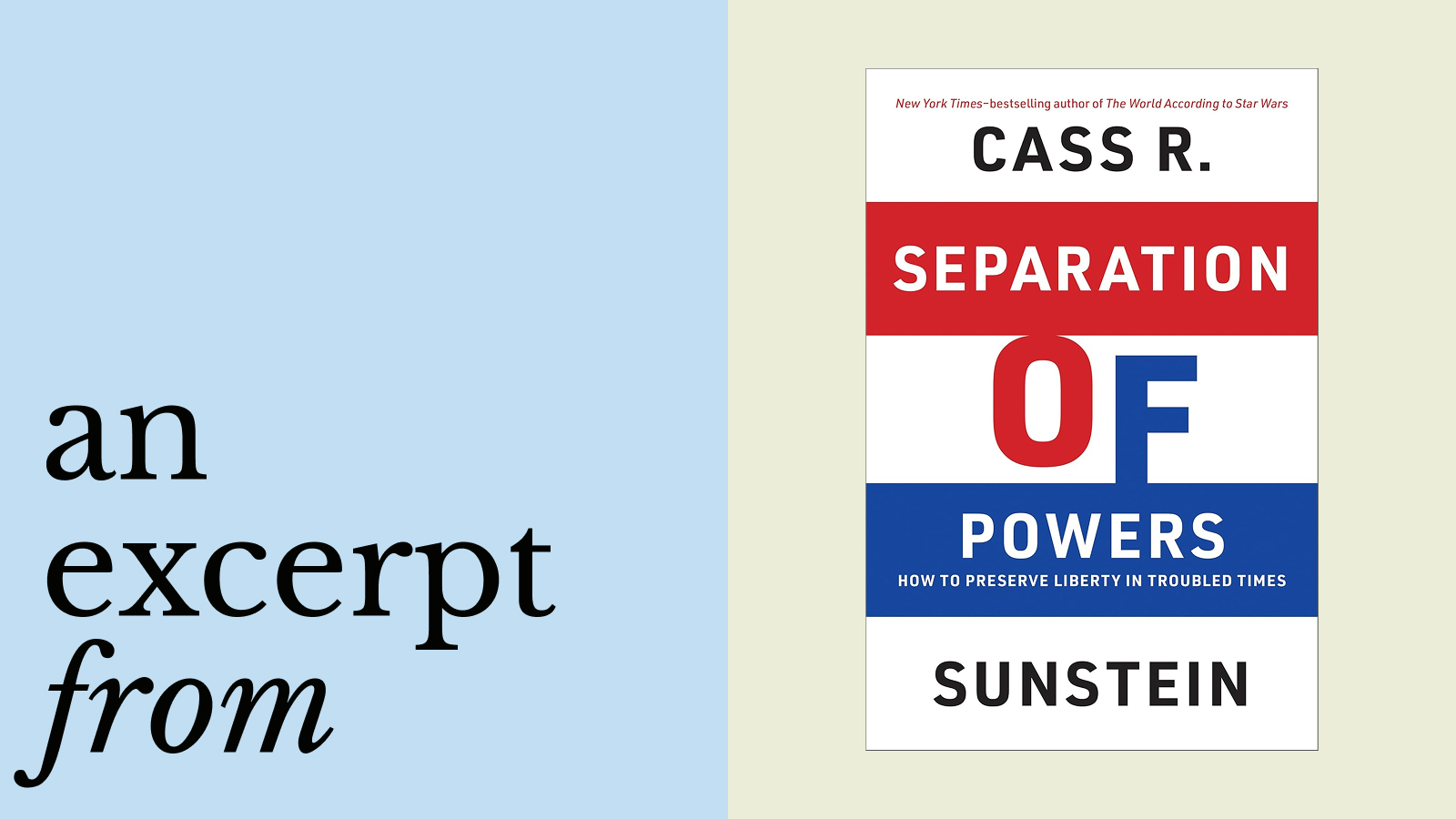
In this excerpt from Separation of Powers, Cass Sunstein explains how the U.S. Constitution prevents such a concentration of authority from turning democracy into despotism.
Throughout history, the ability to tell increasingly believable stories has become available to more people. Kevin Ashton says that’s a blessing and a curse.
In this excerpt from Wired on Wall Street, Tom Hardin (aka “Tipper X”) shares how he began gathering intelligence on insider trading for the FBI.
What’s in a number? Only a vanishingly small slice of your life, it turns out.
Science fiction romanticized Mars as a place of adventure and future settlement; science tells a very different story.
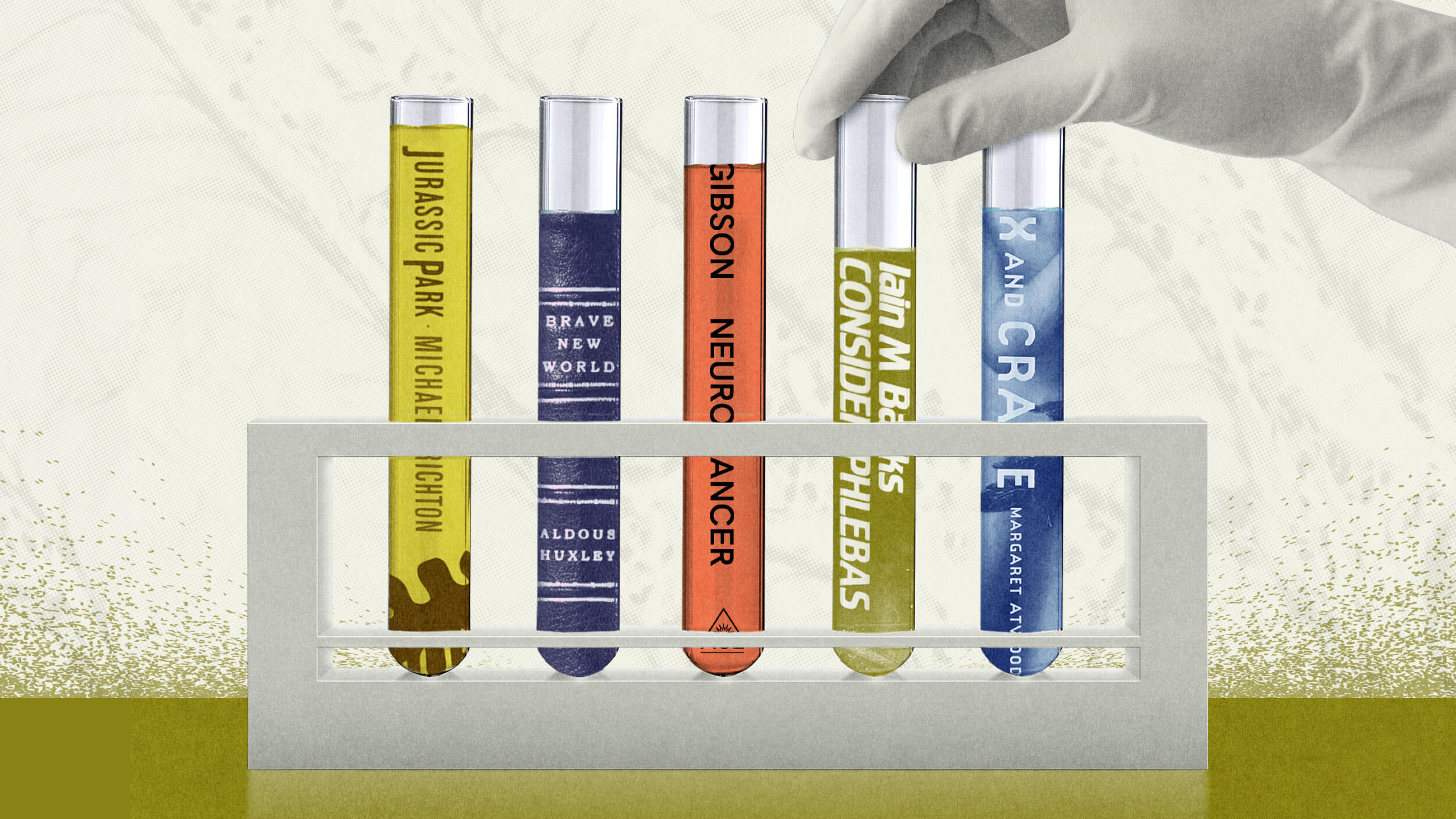
The “dystopian” biotech imagined in these novels is now changing real lives for the better.
In this excerpt from The Laws of Thought, Tom Griffiths shares how George Boole developed a mathematical theory of logic.
In this excerpt from The Intimate Animal, Justin Garcia shows why curiosity and self-disclosure — not attraction alone — help build intimacy and sustain it over time.
Writer and media theorist Bogna Konior connects cosmos and computer by reconsidering our eerily silent Universe.
In this excerpt from Think Like a Mathematician, Junaid Mubeen explains how tiny actions can shape complex systems, revealing the limits of prediction and control in our lives.
In this excerpt from How to Live a Meaningful Life, Bill Burnett and Dave Evans discuss how flow transforms ordinary moments into deeply human experiences.
In this excerpt from Flourish, Daniel Coyle shares how stillness, presence, and attention help people build meaningful connections.
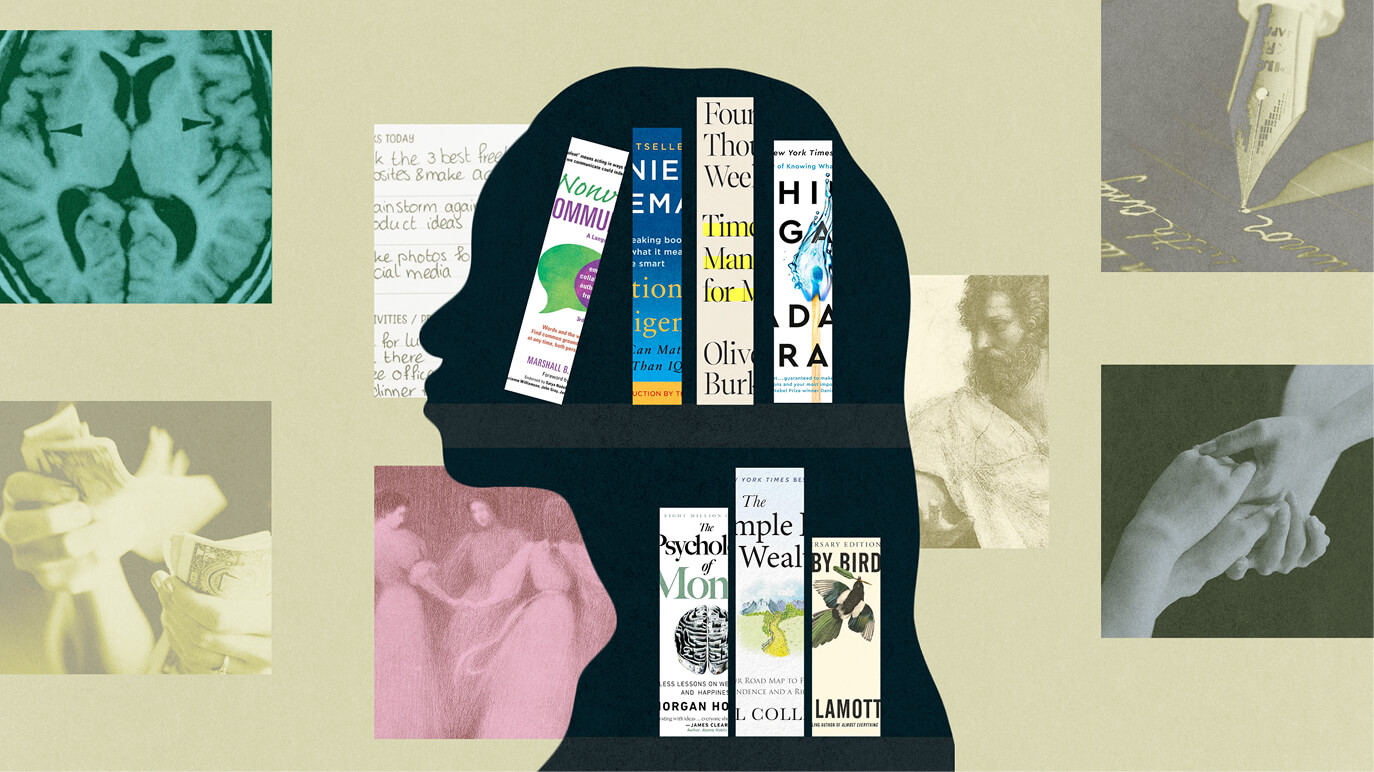
Timeless guidance on communication, time management, creativity, and more from some of today’s most influential thinkers.
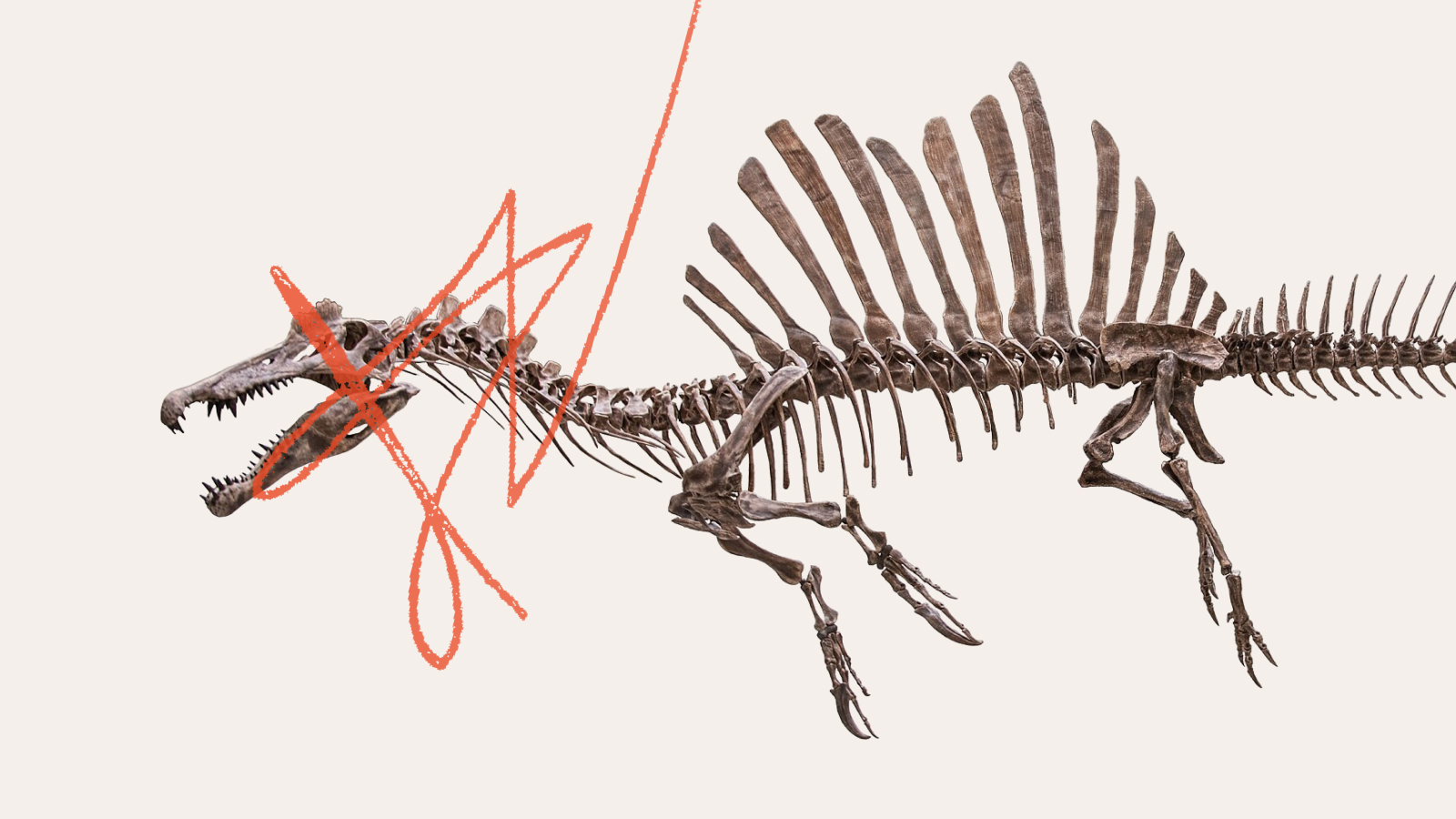
Ernst Stromer discovered Spinosaurus in Egypt. His fossils were destroyed in WWII, yet still shape how we imagine this mysterious dinosaur today.
Reading isn’t just writing prep; together, reading and writing help writers think and generate original ideas through extended cognition.
Labels help your brain make sense of a complex world, but when self-attached, those same labels can convince you that you’re unable to grow.
Tara Narula shares how journalist Richard Cohen challenged conventional ideas about illness, identity, and strength while living with MS.
A tour of the literary cover-ups, extraterrestrials, and cryptids lurking in the bookish backwoods.
Health policy expert Ezekiel Emanuel says you don’t have to be obsessed to live a healthy life. Wellness can, and should, be something you enjoy.
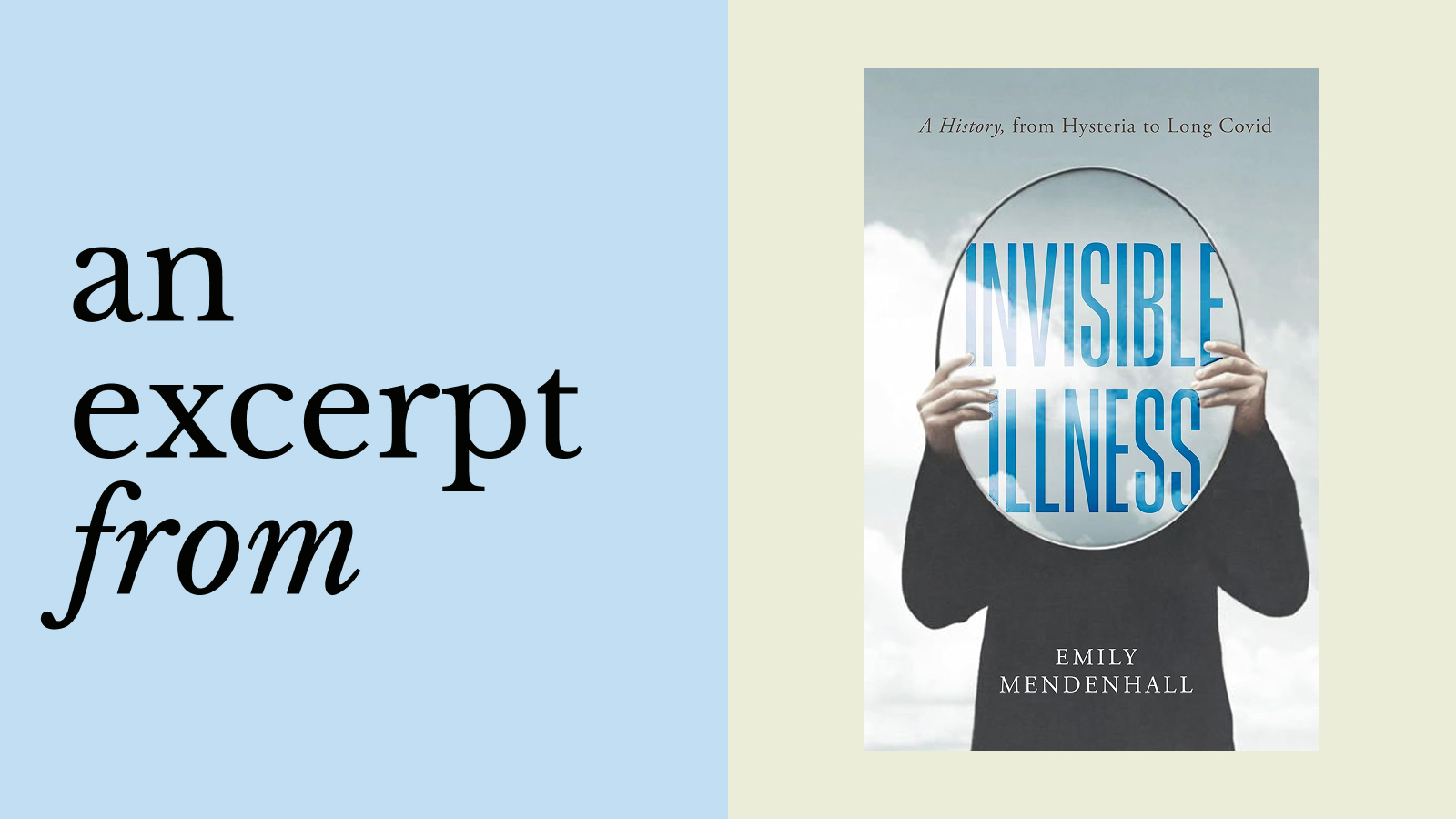
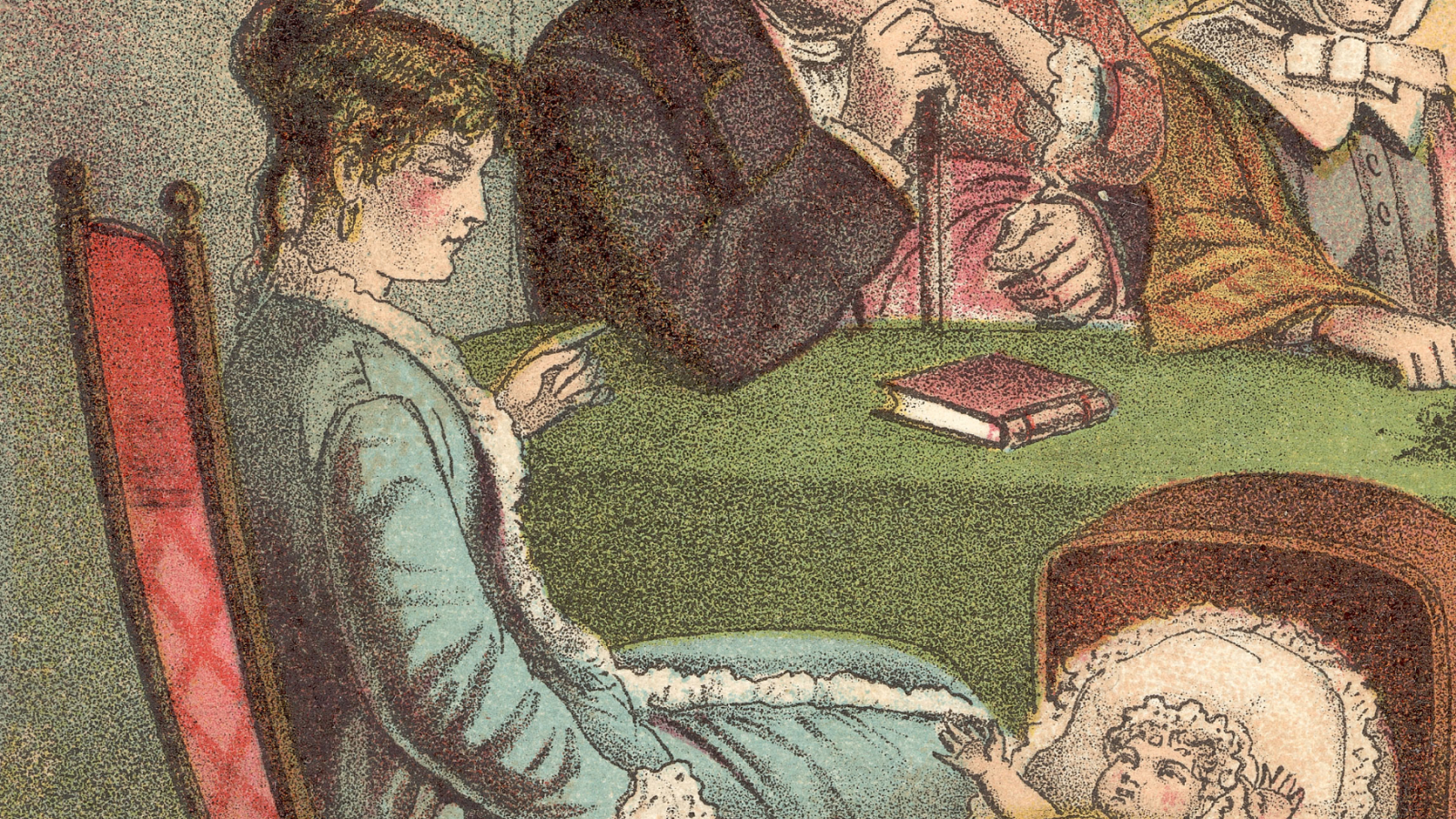
Emily Mendenhall traces the medical myths, gender bias, and neurological truths behind hysteria, one of history’s most damaging diagnoses.
Joel Miller, the author of “The Idea Machine,” joins us to explore why books are history’s most successful information technology.
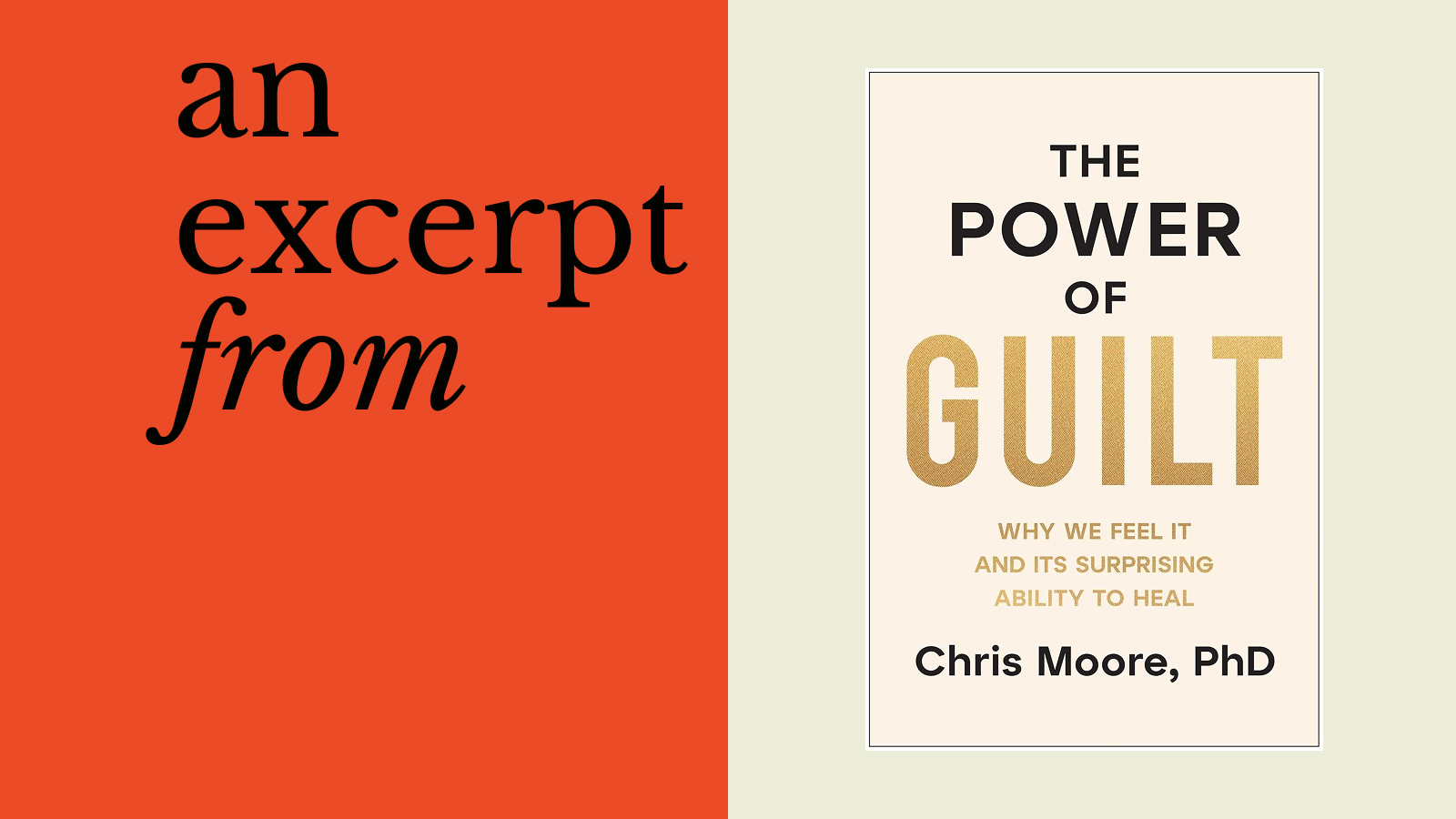
Psychologist Chris Moore reveals why guilt and anxiety lead us to the compassion necessary to earn forgiveness.
Bryan Washington, author of “Palaver,” reflects on how moving to Japan and learning a new language shaped his writing.
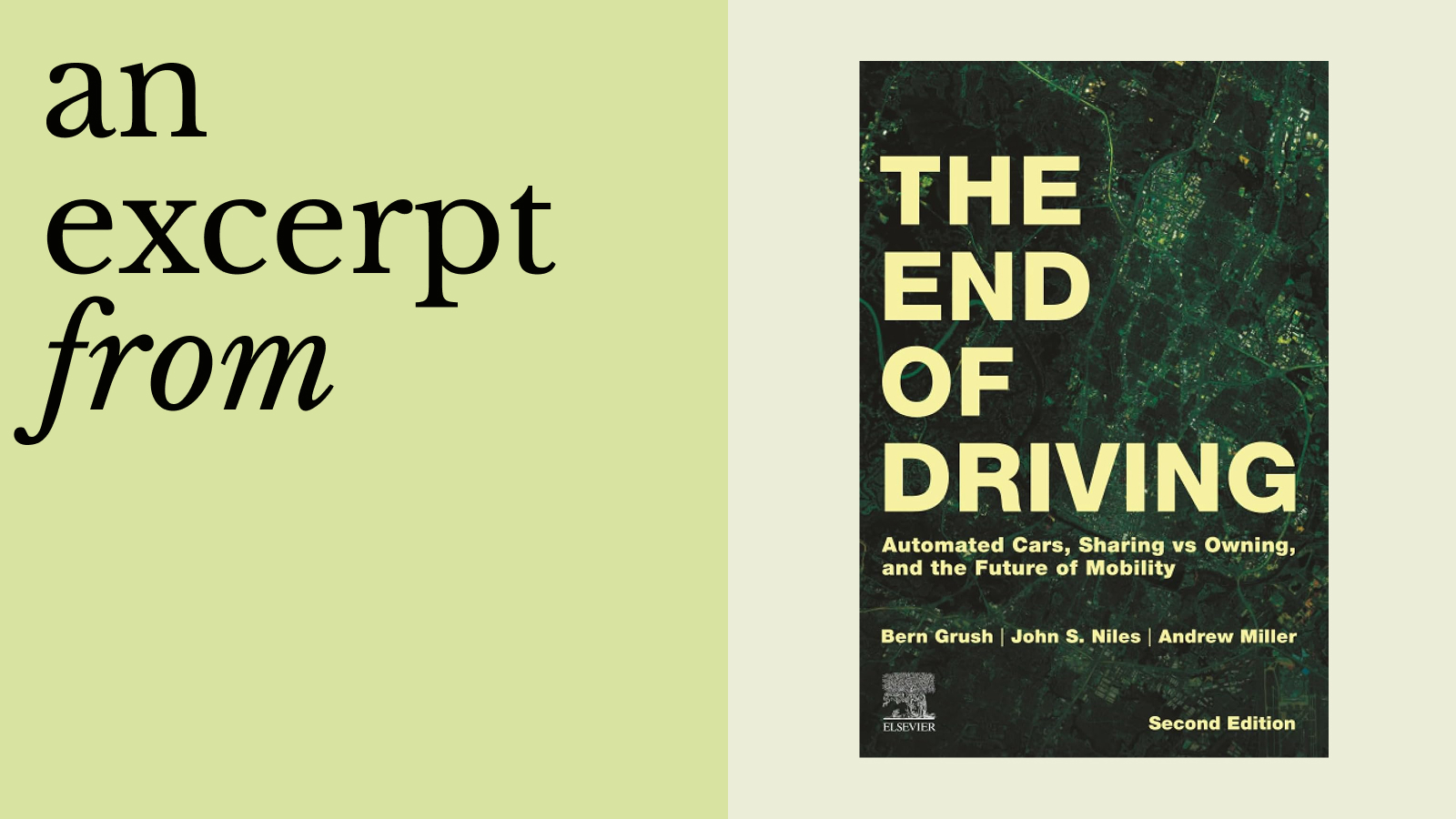
Robotaxis can transform cities by improving mobile efficiency, equity, and safety — if cities adopt policies that prioritize the public good.
In “Rewiring Democracy,” Bruce Schneier and Nathan Sanders explore how AI could strengthen democracy or undermine it.
Researcher and Google CTO Blaise Agüera y Arcas joins us to discuss his new book, “What Is Intelligence?”
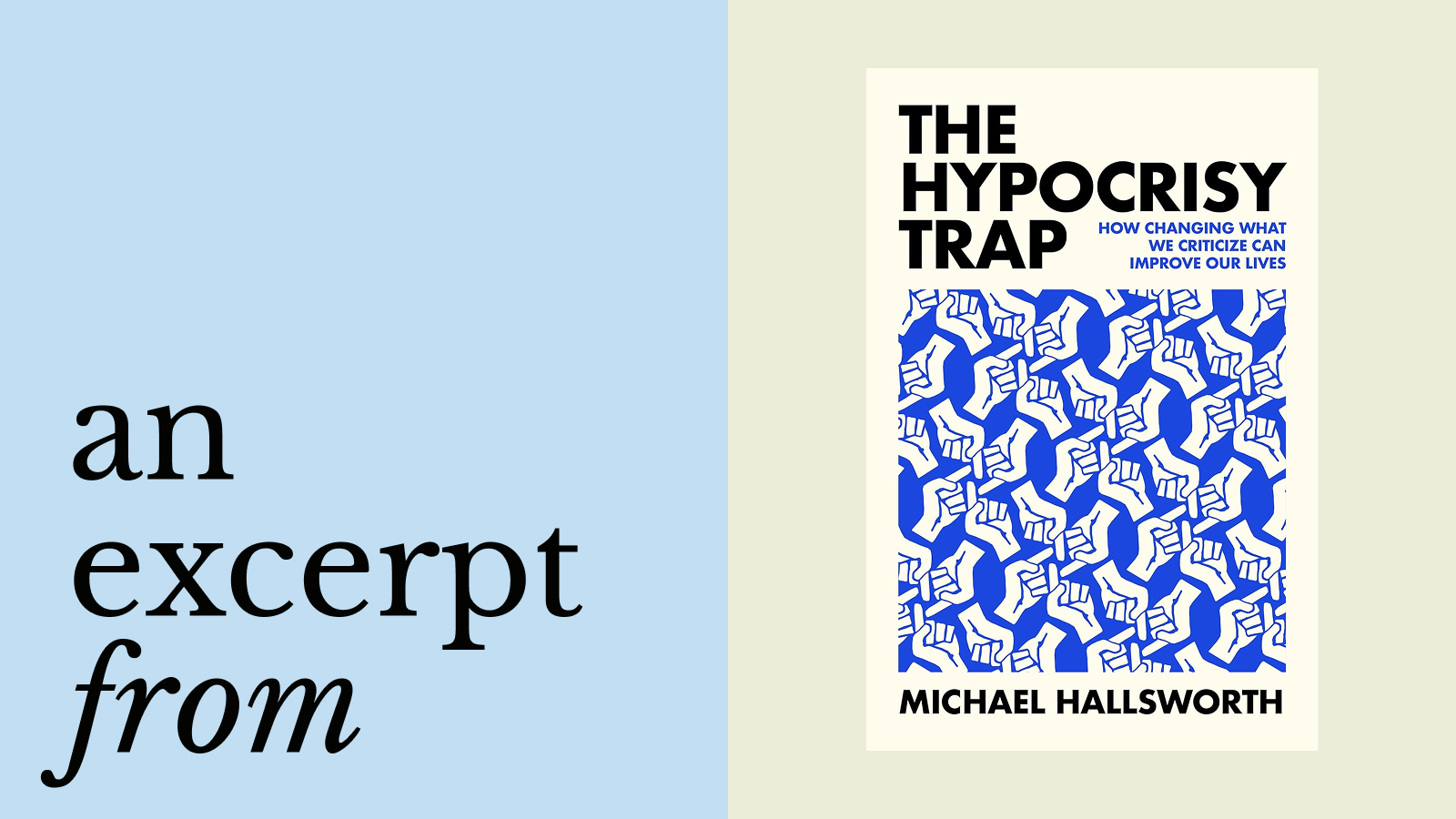
In this excerpt from “The Hypocrisy Trap,” Michael Hallsworth explains why accusations of hypocrisy don’t always damage credibility.