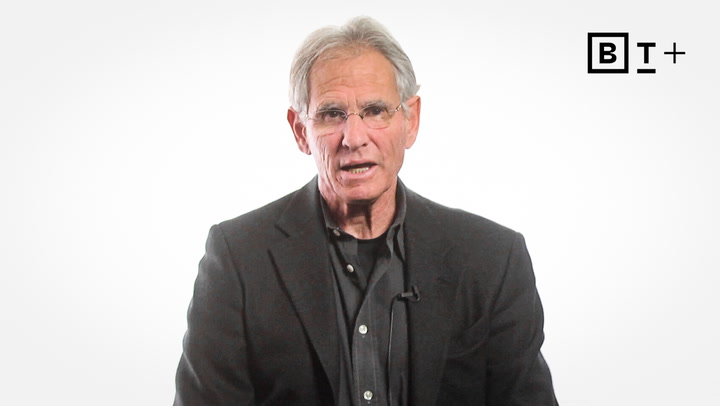
In this video lesson, Jon Kabat-Zinn discusses how mindfulness can help break free from the toxic impulses of greed, aversion, and delusion, fostering a wiser relationship with oneself and unlocking the potential for personal growth.
In this video lesson, Jon Kabat-Zinn explains how mindfulness can help you observe and liberate yourself from overwhelming thoughts, leading to better sleep and a more compassionate relationship with your mind.
Mindfulness, as explained by Jon Kabat-Zinn, is an ongoing journey of embracing life without fixating on goals, focusing instead on healing, acceptance, and integrating awareness into every aspect of existence.
In this video lesson, Jon Kabat-Zinn presents four immediate mindfulness practices—lying in bed, sitting, standing, and walking—to help cultivate awareness and combat procrastination, anxiety, and stress by focusing on the present moment.
Jon Kabat-Zinn, founder of the Center for Mindfulness, explores how mindfulness practice can shift brain activity from the default mode network, which fosters anxiety and self-referential thinking, to the insula, promoting present-moment awareness and emotional well-being.
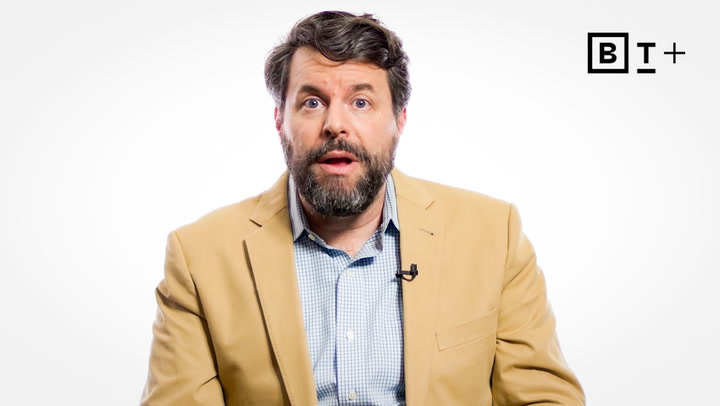
In a world filled with distractions, Charles Duhigg’s video lesson emphasizes the importance of mental modeling to enhance focus and prioritize what truly matters, helping you defend your attention and prepare for daily challenges.
Susan David highlights that while the desire for happiness is universal, common Western beliefs like “happiness is a choice” and “think positive” can create unrealistic expectations, leading to guilt and disconnection from our emotions; instead, she advocates for embracing difficult experiences and focusing on intrinsic values.
In her video lesson, Susan David discusses how “bottling” and “brooding” hinder emotional processing and cognitive performance, offering strategies to acknowledge and label emotions compassionately to improve well-being and relationships.
Throughout our evolutionary history, the instinct to overreact to novelty as a potential threat has shaped our responses, leading individuals, especially those with low self-esteem, to cling to familiar unhappiness rather than embrace the discomfort of new opportunities, as discussed by Susan David in her video lesson.
In this video lesson, Susan David emphasizes that understanding and affirming your values is crucial for guiding your path to success and well-being, helping you resist negative biases and impulses while fostering resilience and happiness.
In her video lesson, Susan David outlines a four-step process to regain control over your life by recognizing and managing your emotions and thoughts, aligning decisions with your values, and pursuing goals driven by internal motivations rather than external pressures.
Organizations today face the challenge of complexity driven by technology and globalization, necessitating agility and adaptability, which can be cultivated in employees through training to enhance mental flexibility and decision-making amidst uncertainty and stress.
Women are more prone to rumination, which can hinder relaxation and communication, but cognitive behavioral therapy techniques can help shift negative thought patterns and promote action and happiness.
Philosopher Judith Butler argues that public mourning for individuals like George Floyd and Mahsa Amini can serve as a catalyst for social justice, emphasizing the importance of acknowledging loss, whether personal or impersonal, to challenge societal perceptions of who is deemed “grievable.”
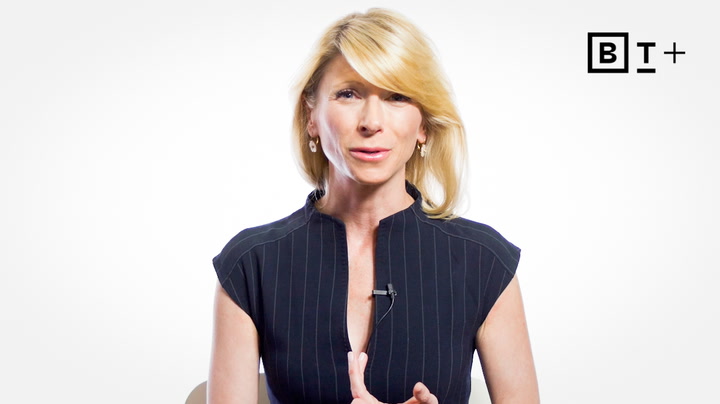
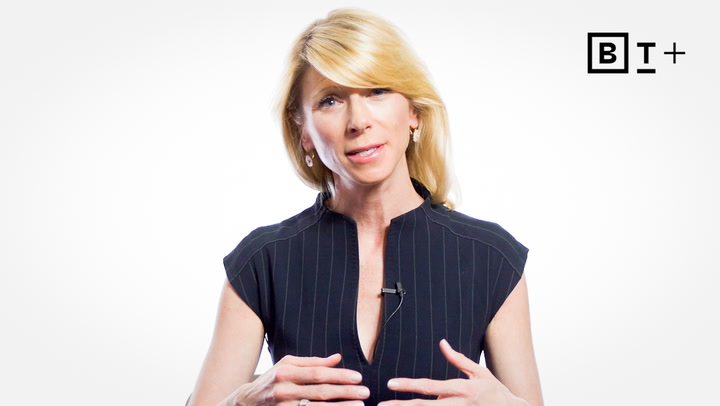
Amy Cuddy teaches that adjusting your posture can influence your thoughts and feelings, emphasizing the body-mind connection and offering kinesthetic techniques to decrease stress and boost mood by promoting powerful body language and mindful breathing.
American culture prioritizes acquisition, but Amy Cuddy emphasizes that true presence is an ongoing commitment to being emotionally and physically engaged in the moment, requiring self-affirmation and the harnessing of personal power to navigate stress and improve over time.
“Presence,” as defined by social psychologist Amy Cuddy, is the ability to express your true self under pressure, enabling peak performance by fostering self-acceptance and awareness, particularly in high-stakes situations that trigger anxiety and social judgment.
Cal Newport emphasizes the importance of setting clear boundaries for hybrid and remote teams, suggesting synchronized schedules, designated workspaces, and simulated commutes to enhance efficiency and well-being.
Cal Newport emphasizes that while frequent email and social media checks are common, they lead to “continuous partial attention,” hindering productivity, and suggests adopting deep work strategies to enhance focus and efficiency in achieving high-quality results.
Productivity expert Cal Newport advocates for slowing down to prioritize quality in work, emphasizing the importance of identifying key priorities, enhancing professional skills, and avoiding perfectionism to achieve better outcomes and a more fulfilling work experience.
The Industrial Revolution shaped our work habits towards constant intensity, but productivity expert Cal Newport advocates for a balanced approach that includes rest, realistic task estimates, and mindful work environments to enhance sustained productivity without burnout.
Productivity expert Cal Newport advocates for modern knowledge workers to achieve better results by reducing simultaneous tasks, minimizing overhead, and maintaining focus, ultimately leading to faster completion and improved quality of work.
Despite the pitfalls of multitasking leading to burnout, productivity expert Cal Newport advocates for “slow productivity,” which emphasizes focused, intentional work that prioritizes long-term output over performative tasks, ultimately enhancing both accomplishment and well-being.
In this video lesson, productivity expert Cal Newport challenges the notion that constant busyness equates to productivity, urging us to redefine success by meaningful outcomes and reclaim our time and energy for work we can truly take pride in.
In this video lesson, Michael Kaufman discusses the restrictive gender norms that dictate behaviors for boys and girls, highlighting their limitations and advocating for a reevaluation of these expectations to foster more equitable parenting and professional opportunities.
In a male-dominated society, men benefit from privileges like assertiveness in negotiations and fewer interruptions, yet they also face societal pressures and internal struggles, highlighting that gender equality is essential for both men and women.
In today’s workplace, fostering psychological safety—where team members feel secure and valued—is essential for maximizing potential, requiring leaders to confront their own insecurities, encourage open communication, and recognize individual contributions.
To enhance emotional well-being, positive psychologist Tal Ben-Shahar suggests practicing gratitude regularly, accepting painful emotions, cultivating appreciation, and reflecting on daily accomplishments, rather than limiting expressions of thanks to just once a year.
Positive psychologist Tal Ben-Shahar emphasizes that improving relational well-being, a key aspect of happiness, can be achieved through simple acts of giving, which enhance connection and foster healthier relationships, ultimately benefiting both ourselves and others.
Curiosity, when nurtured through deep engagement with material, enhances intellectual well-being and is linked to longer, more productive lives, emphasizing the importance of slow learning and dedicated time for exploration and analysis.