Sharon Salzberg teaches that compassion is a skill requiring balance and practice, especially for leaders, and guides participants through essential questions and a loving-kindness meditation to cultivate this vital quality.
Sharon Salzberg emphasizes that while negative feelings are not problematic, acting on them is; mindfulness training helps cultivate awareness of emotions through techniques like “purposeful pauses” and “stealth meditations” to foster inner wisdom before responding to situations.
In her lesson, Salzberg emphasizes fostering organizational meaning through individual and institutional commitments to compassion, self-care, and resilience, while highlighting the importance of balance to prevent collective burnout.
In this lesson, Sharon Salzberg outlines meditation as a progressive practice that helps beginners in the business world develop concentration and insight, ultimately empowering them to act skillfully and remain present amidst changing emotions.
Mindfulness, often seen as a stress-reduction tool in the West, is fundamentally about self-reflection and compassion, leading to wisdom that enhances our actions and relationships without diminishing our edge or making us complacent.
The average American works 1,700 hours annually, but Buddhist meditation teacher Sharon Salzberg suggests that instead of reserving relaxation for weekends, we should incorporate mindfulness into our daily lives for greater happiness and connection both at work and home.
Empathy and cooperation are essential to human achievement, so the quality of your personal and professional life hinges on your relationships; thus, conducting a relationship inventory can reveal where to focus your time and energy for a better life.
Habit expert Gretchen Rubin emphasizes that forming new habits can be easier by making foundational lifestyle choices—such as healthy eating, adequate sleep, regular exercise, and decluttering—that enhance self-command and create optimal conditions for habit formation.
Conscious intention in practice, especially through pre-visualization of success and relaxation techniques, is essential for excelling in high-stakes situations, as explained by Scott Parazynski in this video lesson.
Former astronaut Chris Hadfield emphasizes that stress often stems from a lack of readiness, advocating for proactive preparation and competence as essential strategies to effectively manage challenges and reduce anxiety.
Organization expert Carson Tate encourages questioning the importance of our “shoulds” using the POWER Method, which helps evaluate their purpose, opportunity, expectations, and truth, ultimately empowering us to prioritize effectively and confidently say “no” when necessary.
Rasmus Hougaard argues that integrating mindfulness and kindness into business practices enhances customer satisfaction and employee engagement, ultimately making kindness a competitive advantage that fosters deeper connections in an uncertain world.
Rasmus Hougaard’s lesson on mindfulness emphasizes focused attention as a foundation for developing advanced awareness, fostering connection and compassion, achieving balance through a beginner’s mind, practicing acceptance, and effectively dealing with change.
Mindfulness practice aims to cultivate frequent moments of awareness throughout the day, helping us reconnect with our values and priorities, and Rasmus Hougaard offers strategies for integrating mindfulness into daily life through various methods, including apps, books, and community support.
Multitasking can lead to action addiction due to dopamine boosts from constant digital communication, but mindfulness practices like taking short breaks and managing email habits can help mitigate this craving and enhance mental clarity.
Experts highlight that mindfulness is essential for reducing toxic stress in high-pressure professions, as it helps rewire the brain for better focus and productivity, enabling professionals to navigate challenges with patience, presence, and kindness.
Communities reflect the dynamics of the human family, where Michele Gelfand’s tight-loose framework helps navigate cultural conflicts and power struggles within households by identifying domains of conflict and establishing a balance between strict and flexible norms.
Simon Sinek emphasizes that everyone deserves happiness at work, achievable through small steps to build trust and improve relationships, ultimately fostering a fulfilling professional environment where individuals feel valued and supported.
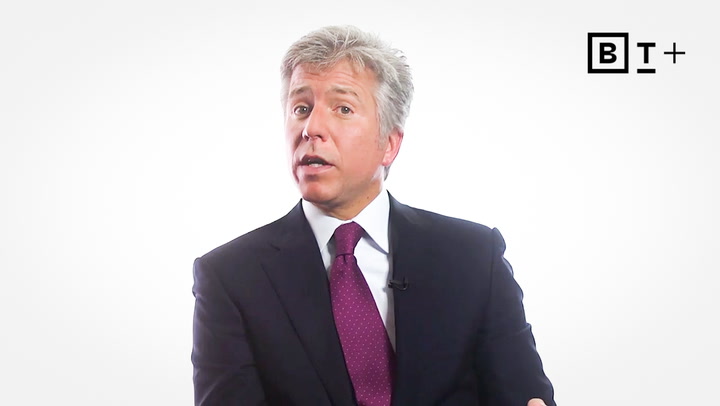
In this video lesson, Bill McDermott, CEO of ServiceNow, emphasizes the importance of prioritizing personal relationships and life goals, urging viewers to reflect on how they want to be remembered and to focus on meaningful moments over work obligations.
Leadership strategist Dan Pontefract outlines a three-step process for open thinking—creative, critical, and doing—emphasizing the importance of flexibility and focus during the doing phase, while offering best practices for individuals and organizations to enhance applied thinking and productivity.
Work-life balance may be a misleading concept, as true equilibrium between work and life is unattainable; instead, Bill George advocates for “work-life integration,” encouraging thoughtful trade-offs and authentic engagement in all aspects of life to avoid burnout.
As new technologies increasingly digitize work and social interactions, art historian Amy Herman emphasizes the importance of adapting mindfully to the digital world, fostering human connections, and using technology creatively to enhance collaboration and communication.
New parents must prioritize self-care amidst their baby’s needs, especially when returning to work; Lauren Smith Brody offers strategies like skincare, a curated wardrobe, redefining “me time,” and preparing for emotional challenges to help reduce stress for all parents.
Moms, often undervalued despite their extensive skills in efficiency and multitasking gained from caregiving, should take time to recognize their worth and contributions in the workplace, as outlined by Lauren Smith Brody in her video lesson.
Many U.S. employers struggle to offer extended paid parental leave without regulatory changes, but Lauren Smith Brody suggests fostering a supportive culture through flexible policies, open communication, and individualized solutions to enhance employee well-being and commitment.
New parents often hesitate to communicate their evolving needs at work, but Lauren Smith Brody emphasizes that speaking up about flexible arrangements can enhance not only their own work-life balance but also benefit colleagues and overall company performance.
Paid parental leave benefits families and society by promoting recovery, bonding, and sleep for parents, while also strengthening economies, as evidenced by the U.S. lagging behind other nations in providing such support despite its positive impact on future generations and gender equity.
Lauren Smith Brody suggests viewing the first 12 weeks after birth as a “fifth trimester,” highlighting the challenges new moms face when returning to work too soon, often before they feel physically and emotionally ready, which can lead to feelings of “mom guilt.”
Mindfulness in the workplace involves intentional awareness and nonjudgmental engagement, benefiting both individual well-being and organizational culture, as exemplified by companies like Aetna that prioritize employee happiness and compassionate leadership.
Western culture often views mindfulness negatively due to its emphasis on constant productivity, but Jon Kabat-Zinn argues that mindfulness can actually enhance ambition and self-actualization by fostering a healthier relationship with the challenges of being human.