Emotional intelligence (EQ), more crucial than IQ for career success and a set of learnable skills, encompasses self-awareness, self-management, social awareness, and relationship management, which effective leaders must master to excel in their roles.
Michael Strahan emphasizes that effective leadership involves modeling desired behaviors, fostering authenticity, and ensuring every team member feels valued, while also reflecting on one’s role in team dynamics to promote a positive environment.
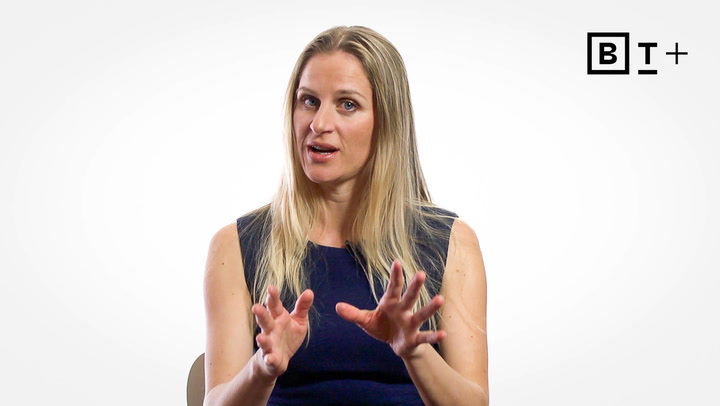
Charisma, once seen as a divine gift, is now recognized as a learnable skill that involves being present, empathetic, self-confident, and attuned to others’ needs, as explained by Emma Seppala from Stanford’s Center for Compassion.
In debates, the Socratic Method effectively guides opponents to self-realization of their errors by encouraging them to reason through counterarguments, rather than directly confronting them.
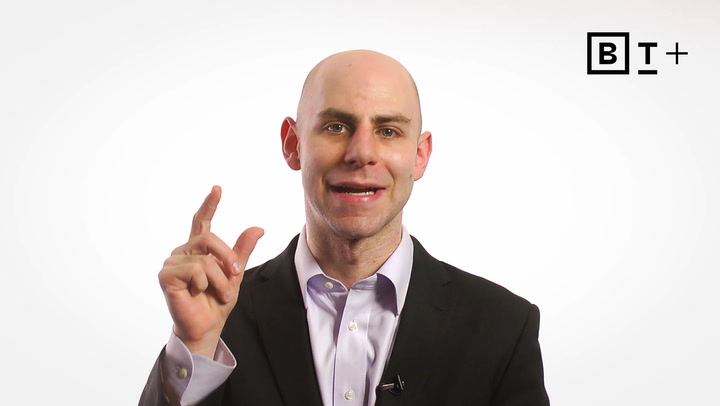
Isabel Allende emphasizes that giving enriches us non-materially, while Adam Grant highlights that generosity fosters stronger relationships and connections, urging a balance between helping others and self-advancement to avoid being exploited by takers.
Despite ancient Greek knowledge of a round Earth, many still believe in a flat planet due to a human predisposition for magical thinking, making it challenging to combat superstition and conspiracy theories even with evidence and reason.