Joe Nucci, author of “Psychobabble,” joins us to discuss how the misuse of psychological language risks blurring the lines between everyday problems and clinical diagnoses.
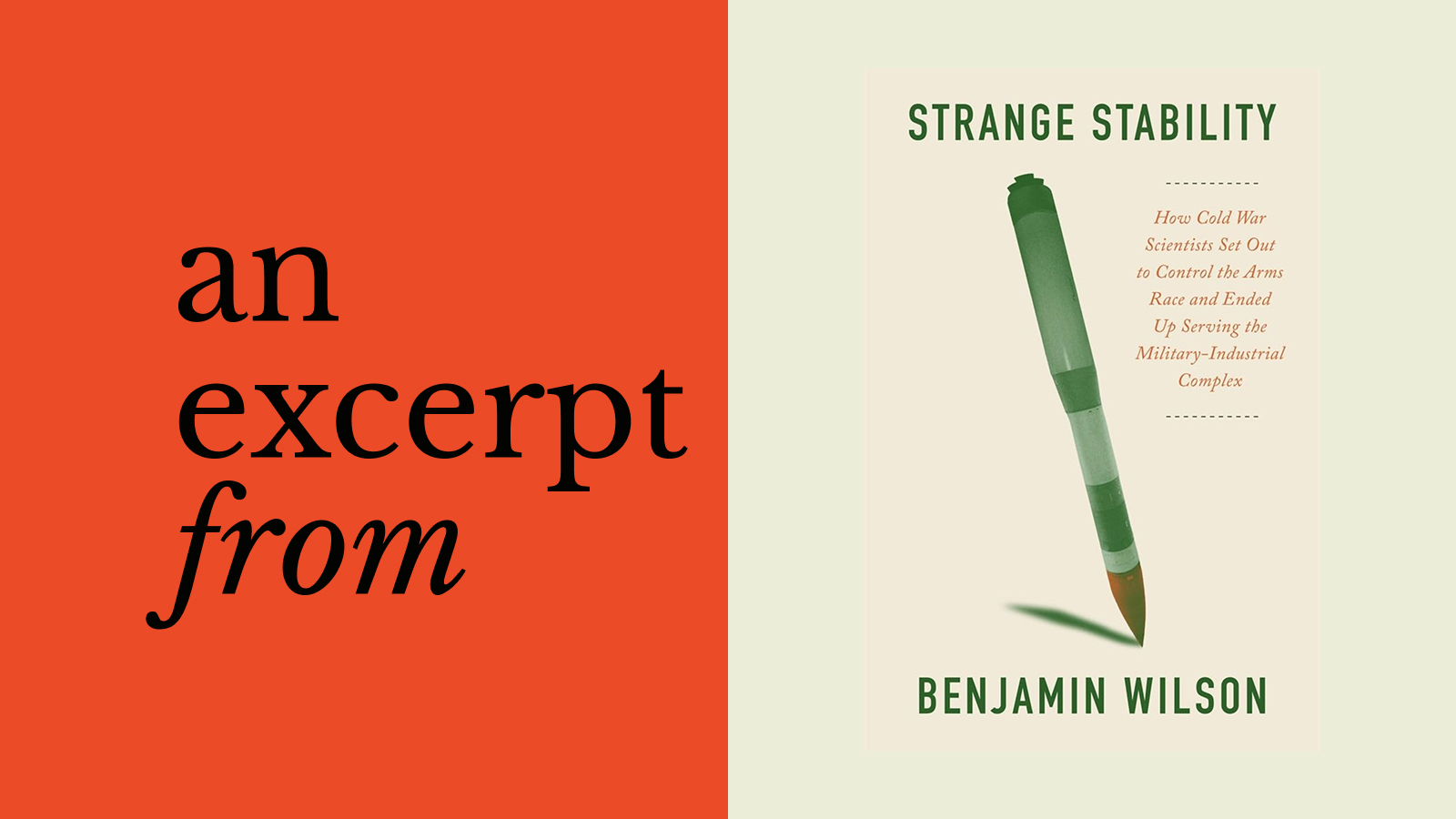
In this excerpt from “Strange Stability,” Benjamin Wilson explores how the concept of “deterrence” went from explaining criminal behavior to becoming a nuclear strategy.
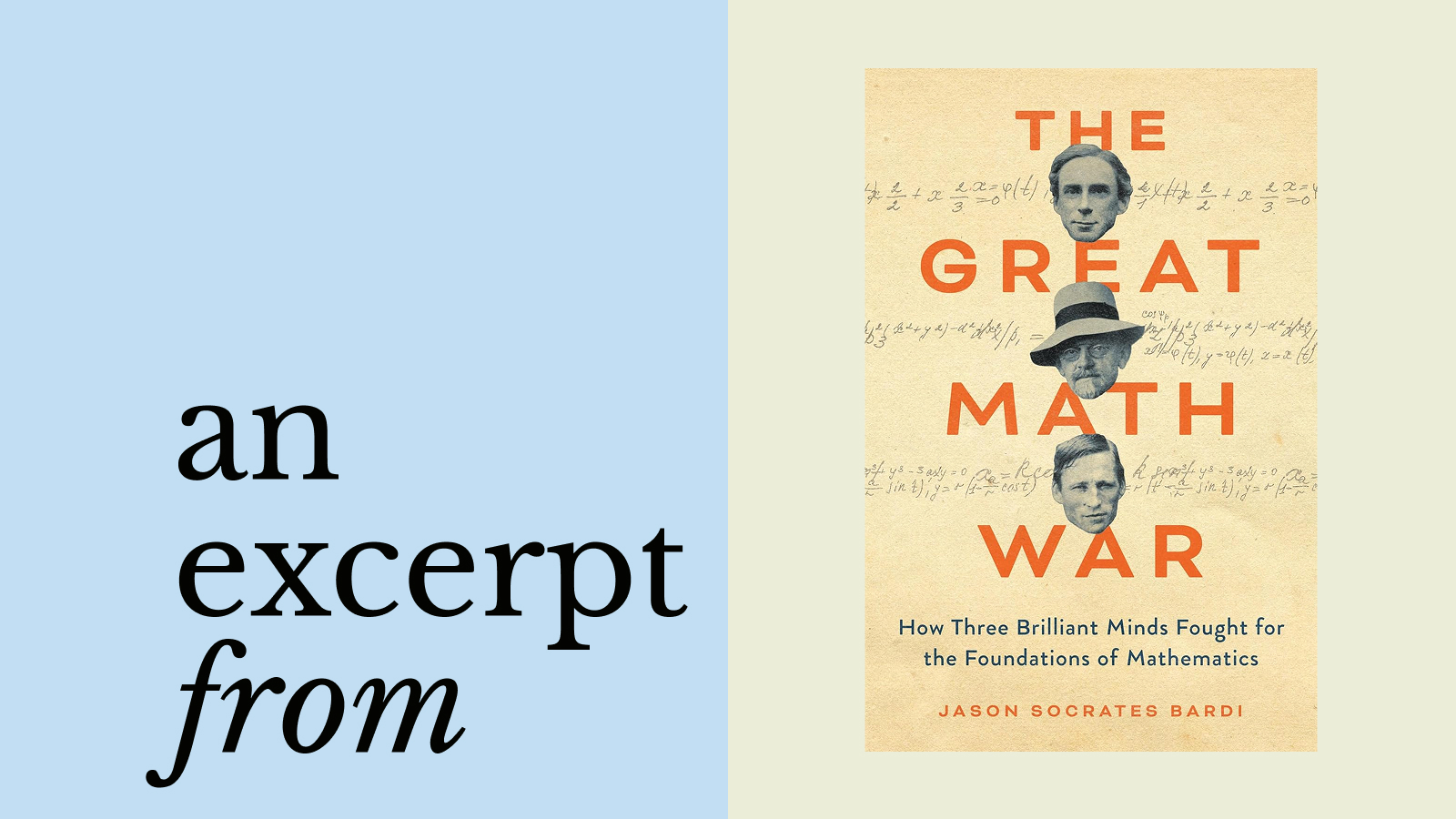
In this excerpt from “The Great Math War,” Jason Socrates Bardi explores how Georg Cantor revolutionized mathematics and reshaped how our finite minds conceived of the infinite.
In this excerpt from The Breath of the Gods, Simon Winchester explores how the Sumerians first named the wind and shaped our early understanding of the natural world.
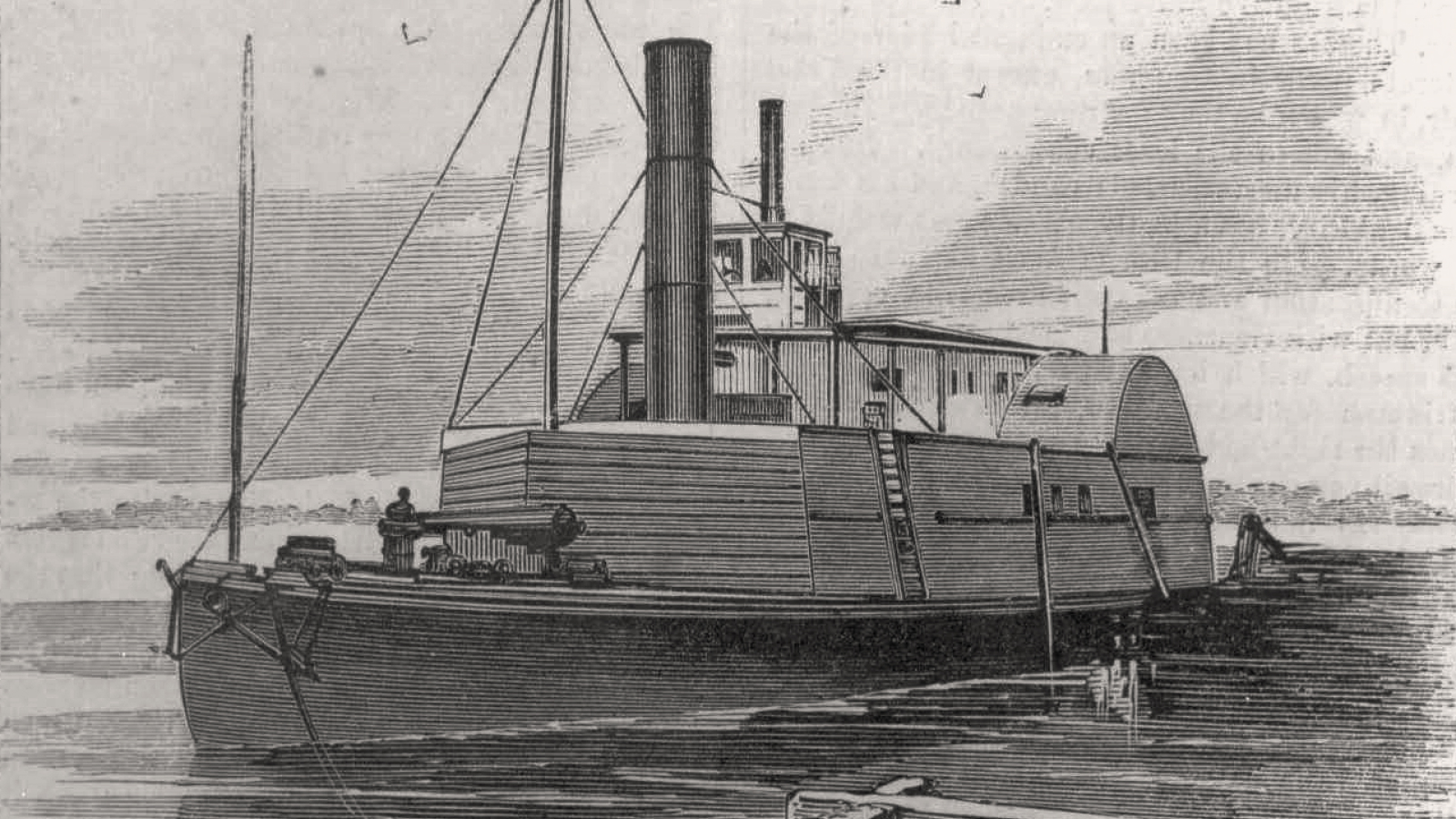
In this excerpt from “The First Eight,” Congressman Jim Clyburn shares the story of Robert Smalls, the man whose audience with Lincoln may have saved the Union army.
Natural navigator Tristan Gooley joins us to discuss the philosophy of reading nature’s hidden clues — and how relearning this ancient skill can help us see the world, and ourselves, with greater awareness.
In this excerpt from “One Hand Clapping,” Nikolay Kukushkin makes the case that neurons reveal how memory, meaning, and even consciousness emerge from the same biological roots in humans, sea slugs, and beyond.
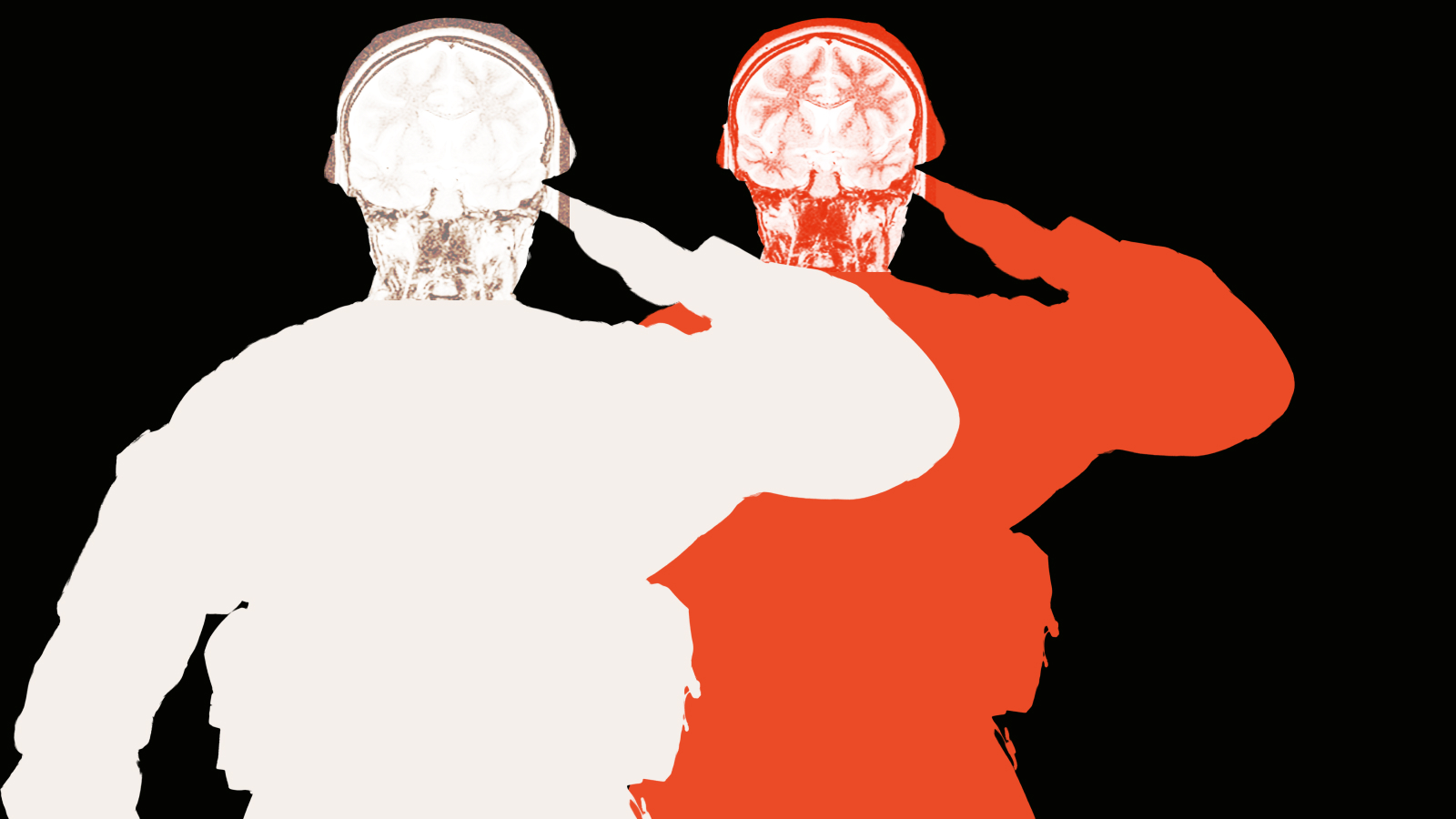
In “Warhead,” neuroscientist and national security adviser Nicholas Wright explains how the brain navigates warfare and why it is our ultimate weapon (and instrument for peace).
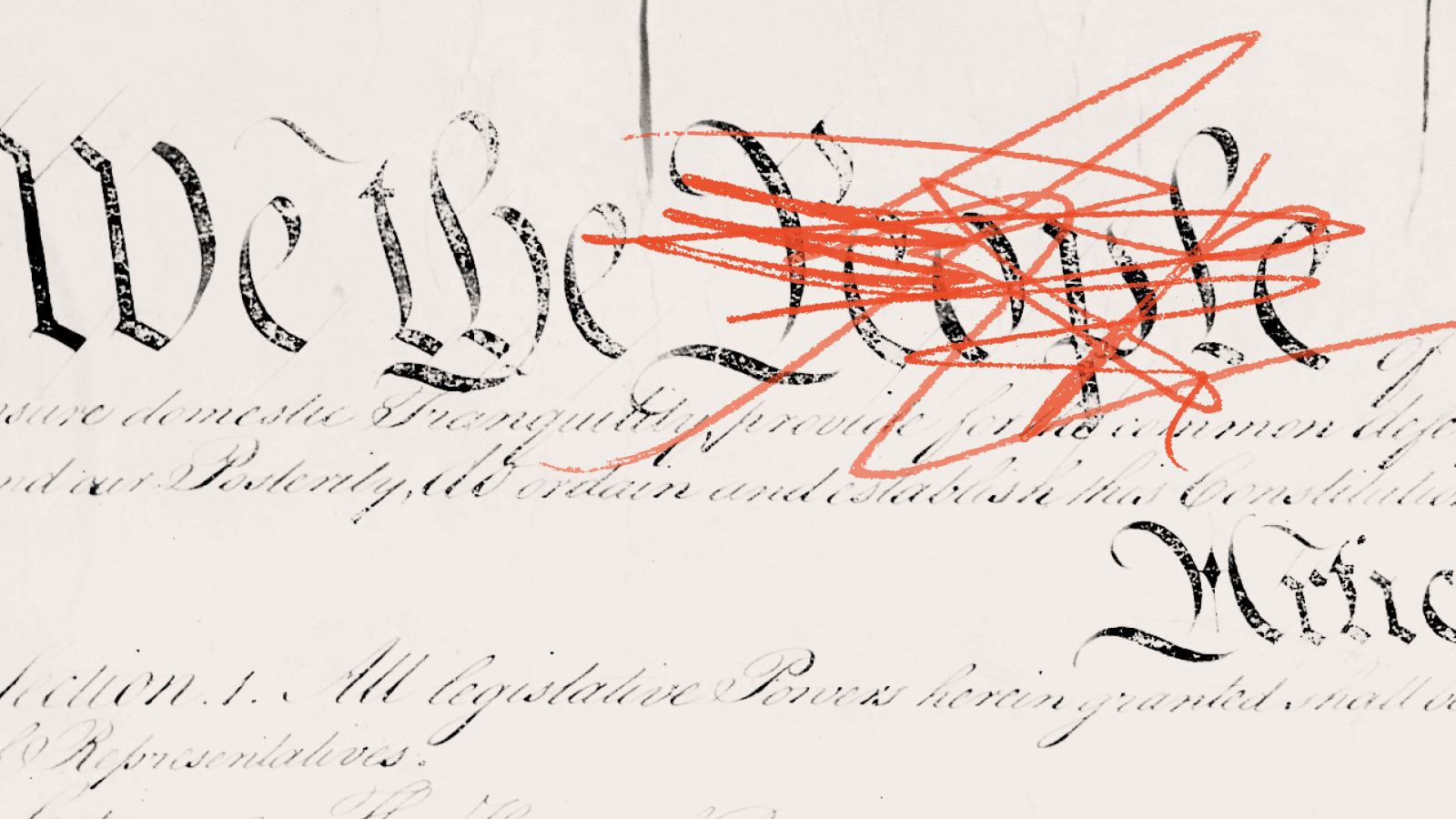
In “We the People,” Harvard historian Jill Lepore examines how the U.S. Constitution became unamendable and its implications for the health of the democracy.
In this excerpt from “Governing Babel,” John Wihbey explores how AI is reshaping online moderation by offering tools that can help human moderators, but also raises the risk of disinformation and digital chaos.
In this excerpt from “The Formula for Better Health,” Tom Frieden explores how Alice Hamilton transformed public health in her fight against lead poisoning.
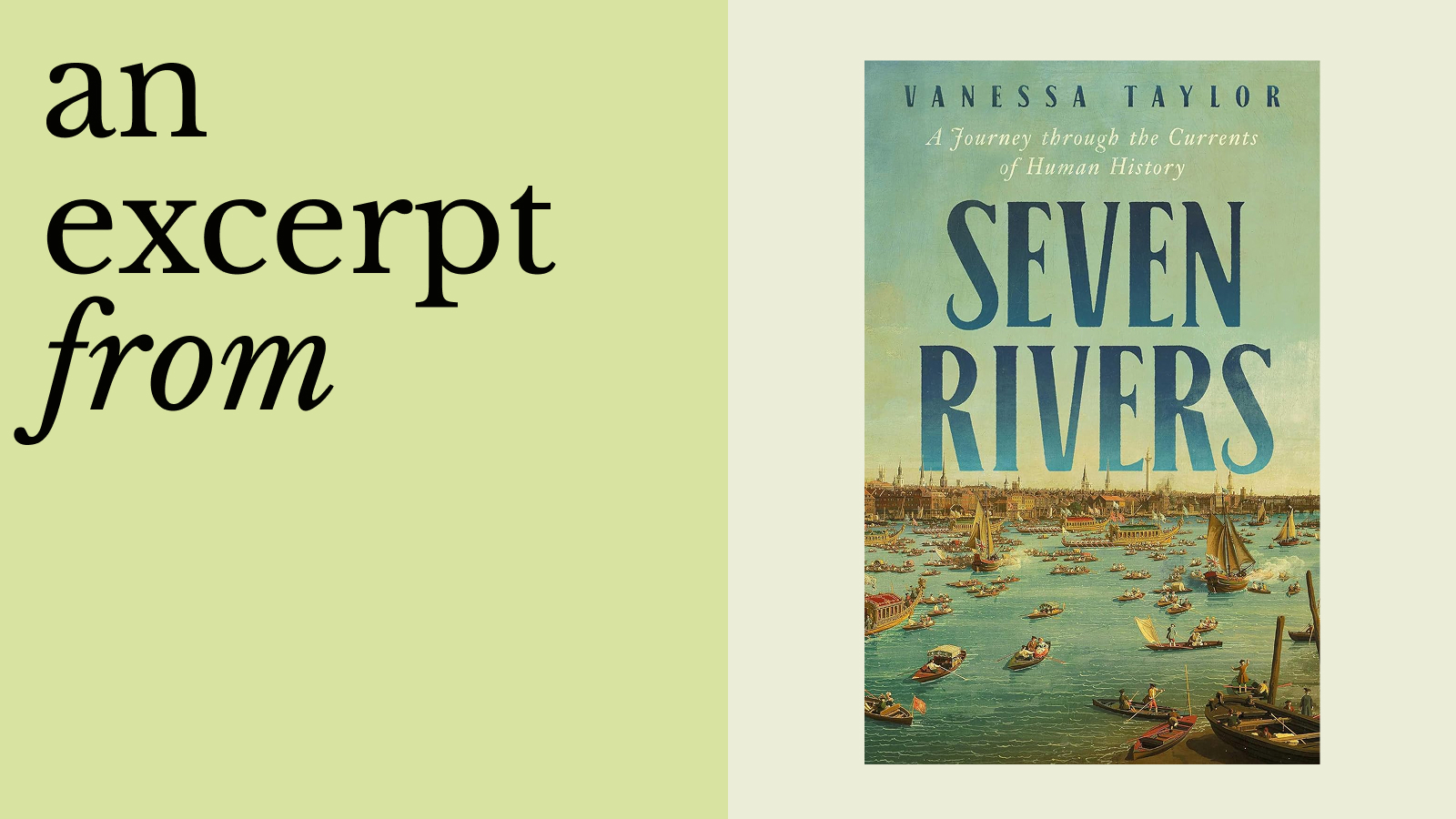
In this excerpt from “Seven Rivers,” historian Vanessa Taylor explores how Ancient Egyptian pharaohs harnessed the Nile River to build empires and secure their power.
In this excerpt from “When Everyone Knows That Everyone Knows…,” Steven Pinker examines how crying may have evolved as part of a suite of emotional expressions aimed at strengthening social bonds.
In “On Liberalism,” Cass Sunstein argues that liberalism can only endure if we reclaim its core commitments and revive its spirit of freedom and hope for the future.
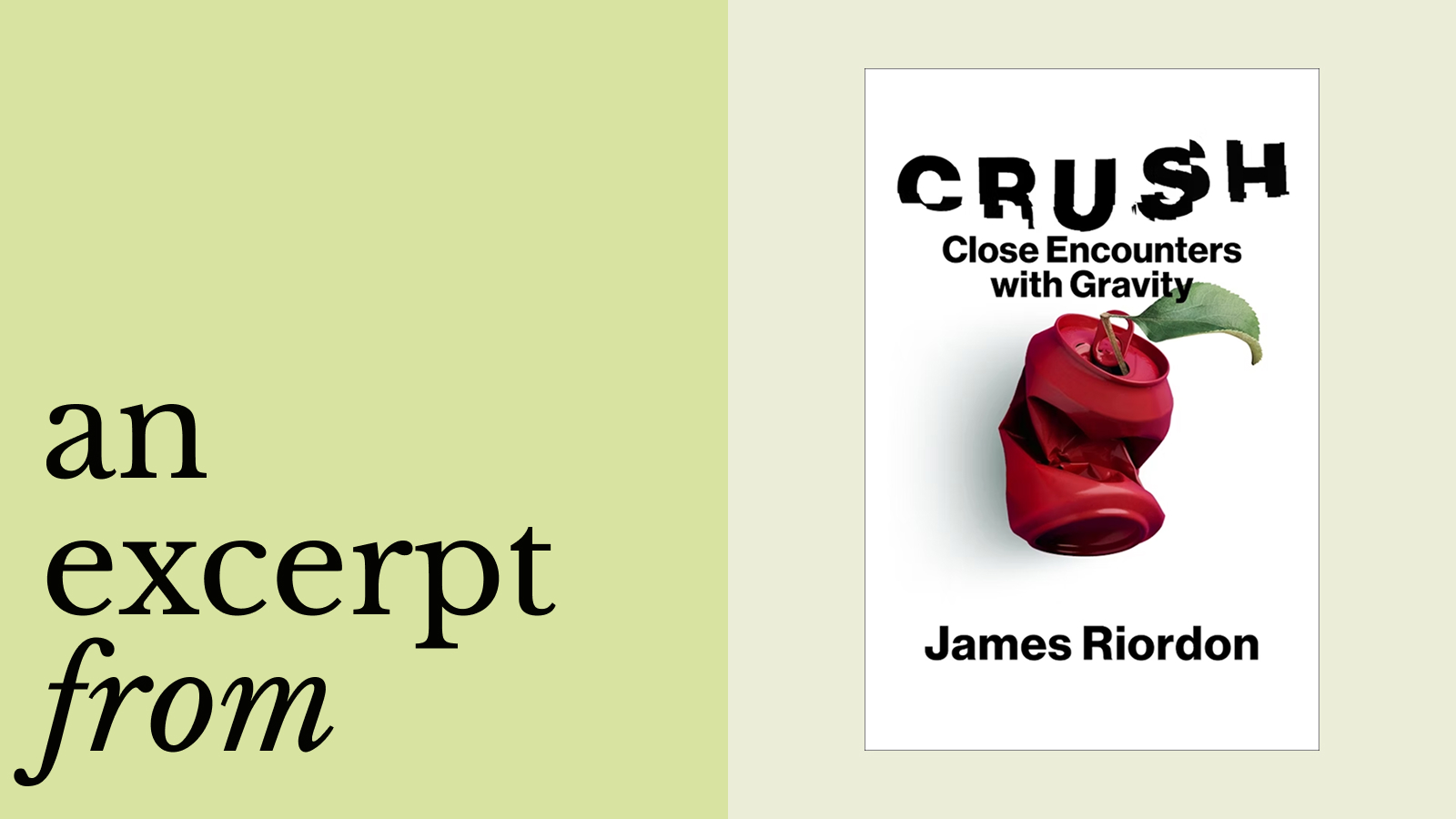
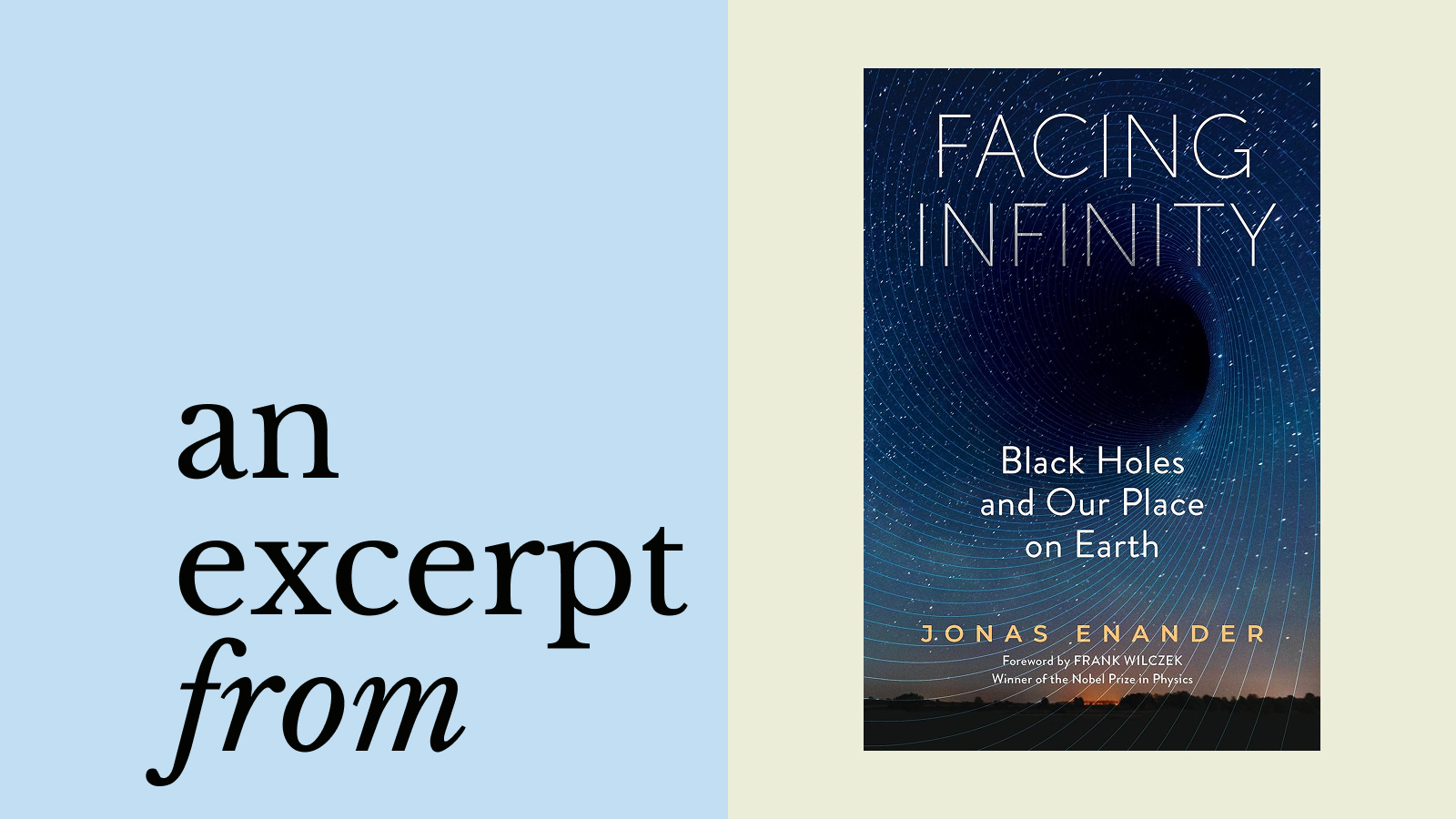
In this excerpt from “Facing Infinity,” Jonas Enander examines how John Michell conceived of “dark stars,” or massive bodies with enough gravity to trap light, all the way back in 1783.
In “That Book Is Dangerous,” author Adam Szetela examines the rise of the “Sensitivity Era” in publishing and how outrage campaigns try to control what books authors can write and readers can read.