Skip to content


Unconscious biases, shaped by our backgrounds and experiences, can be managed by recognizing personal and situational triggers, practicing self-awareness, engaging in difficult conversations, articulating hiring decisions, and employing cluster hiring to promote diversity in the workplace.
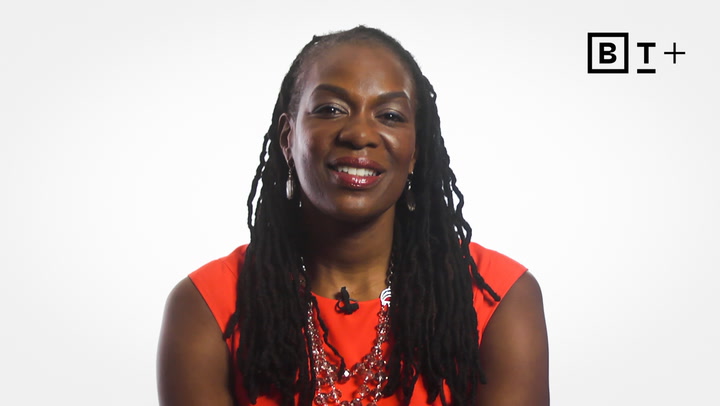
Psychologist Valerie Purdie Greenaway’s video lesson offers strategies to combat subtle biases against LGBTQ+ individuals, older adults, and overweight individuals, emphasizing the importance of awareness in fostering an inclusive workplace.
Psychologist Valerie Purdie Greenaway highlights in her video lesson that micro-inequities, though subtle, can accumulate to significantly harm individuals and groups in the workplace, leading to talent loss, universal vulnerability to discrimination, and increased stress impacting performance and health.
Discrimination, often viewed as a conscious choice, is primarily driven by unconscious biases that can lead to unfair treatment based on group affiliations, as explained by psychologist Valerie Purdie Greenaway, who highlights its varying impact across different groups and situations.
Professor Valerie Purdie Greenaway highlights that while overt discrimination receives attention, subtle, unintentional biases can be equally or more harmful, yet everyone has the ability to recognize and address these biases.
Workplace expert Amy Gallo addresses the challenges of negativity in the workplace, emphasizing the importance of recognizing biases, avoiding harmful gossip, and fostering a collaborative mindset to enhance psychological safety and camaraderie among colleagues.
In this video lesson, inclusion specialist Ruchika Malhotra outlines strategies for standardizing interview processes to enhance inclusivity, including anonymizing resumes, leveling expectations, reducing affinity bias, and customizing questions for diverse candidates.
To create a more inclusive work environment, organizations should prioritize hiring for “culture add” by diversifying their candidate pool, rethinking job listings to attract underrepresented demographics, and ensuring at least 50% of candidates are non-male and non-white.
In this video lesson, inclusion specialist Ruchika Malhotra emphasizes the importance of delivering clear, actionable feedback to women of color by using the Situation-Behavior-Impact (SBI) framework to focus on substance rather than vague comments about style.
In a video lesson, inclusion strategist Ruchika Malhotra emphasizes the importance of recognizing “exclusionary behaviors,” such as mispronouncing names and stereotype-based assumptions, which can significantly impact marginalized individuals’ well-being and sense of belonging, and suggests asking for correct name pronunciations as a simple act of inclusion.
Code-switching, a natural behavior adjustment based on context, becomes unhealthy when it requires suppressing one’s identity to avoid discrimination, as explored by inclusion strategist Ruchika Malhotra, who highlights its psychological toll and suggests methods to identify unconscious biases.
Irish author George Bernard Shaw highlighted that patriotism often stems from a belief in the superiority of one’s own country, a mindset echoed by inclusion strategist Ruchika Malhotra, who advocates for cultural humility in leadership to foster inclusivity and learn from diverse global perspectives.
Inclusion strategist Ruchika Malhotra emphasizes that true impact in promoting diversity, equity, inclusion, and belonging (DEIB) requires humility, purposeful action, and a shift from individual character to addressing systemic biases, urging individuals to embrace discomfort and cultivate a growth mindset.
In this video lesson, inclusion strategist Ruchika Malhotra explores how intersecting marginalized identities can compound workplace challenges, emphasizing the need for inclusive cultures to support women of color, who often face both hypervisibility and invisibility, and are frequently underestimated in their career progression.
In a video lesson, inclusion strategist Ruchika Malhotra discusses how workplace messages contribute to imposter syndrome in women, particularly women of color, and offers strategies to foster a more inclusive and equitable environment.
Cultivating diversity, equity, and inclusion in the workplace is complex due to individual identities and biases, but inclusion specialist Ruchika Malhotra emphasizes that those in power should leverage their privilege to create opportunities for underestimated groups, while all employees can foster a more inclusive culture.
Cultural assumptions, often perceived as common sense, can lead to misunderstandings in international relations; thus, David Kang emphasizes the importance of questioning these biases, particularly Eurocentrism, and integrating local knowledge to better understand Asia’s diverse perspectives and trends.