Skip to content


In a competitive business landscape, prioritizing employees’ emotional well-being and relationships, as advocated by psychologist Daniel Goleman, can lead to long-term success, with leaders fostering a high emotional intelligence environment through clear expectations and genuine care.
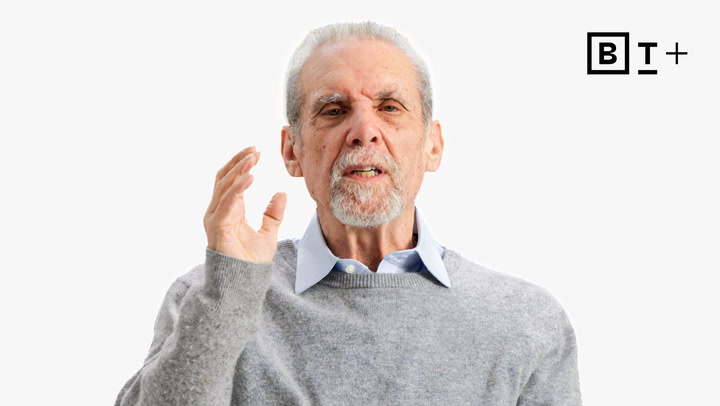
In a fast-paced business world, emotional intelligence (EI) is crucial for success; Daniel Goleman emphasizes that EI can be learned at any stage, and developing it through practices like peer feedback and learning circles can significantly enhance team performance and morale.
Leadership consultant Simon Sinek emphasizes that true leadership involves caring for your team, while psychologist Daniel Goleman highlights that emotionally intelligent leaders foster positivity and support, significantly enhancing team performance and well-being.
Viktor Frankl’s insight on the space between stimulus and response highlights the importance of self-management in emotional intelligence, which psychologist Daniel Goleman emphasizes as crucial for leaders to foster effective, high-performing teams by mastering emotional balance, positive outlook, adaptability, and achievement orientation.
In her video lesson, Professor Suzy Welch outlines a structured hiring approach to combat biases and improve candidate assessment by identifying common pitfalls, such as Nice Guy and Fangirl Syndromes, while recommending practices like collaborative decision-making and focused questioning.
In this video lesson, Professor Suzy Welch outlines a five-step framework for leaders to intentionally cultivate organizational culture by aligning values with actions, ensuring clear communication, modeling behaviors, celebrating adherence, and enforcing standards to create a cohesive workplace.
Professor Suzy Welch introduces “lanaging,” the art of balancing leadership and management by blending inspiration with execution, enabling leaders to build trust, drive results, and effectively communicate between teams and senior leadership.
Professor Suzy Welch argues that the simplistic divide between leaders and managers is misleading; successful teams require a “lanager,” who combines visionary leadership with practical management, as she explains in her video lesson on fostering team success.
After eight years in the NBA, John Amaechi pursued a psychology degree, emphasizing that achieving dreams requires self-awareness, clear goals, and a flexible, pragmatic plan tailored to one’s strengths and weaknesses.
Managers and leaders must foster team agility by creating an authentic, structured environment that encourages open dialogue, shared goals, and critical analysis, while also helping team members navigate uncertainty and build resilience through collaboration and creative problem-solving.
Zen masters refer to “know-nothing mind” as a state of openness where asking seemingly “dumb” or “absurd” questions can lead to breakthroughs, encouraging individuals to overcome the fear of embarrassment and challenge their assumptions for transformative insights.
Creative thinkers often struggle with organization due to their tendency to make unlikely connections and avoid the inherent challenges of their work, but deadlines can serve as a motivating force that instills discipline and encourages productivity.
Video game designer Jane McGonigal argues that games can train for real life by fostering a challenge mindset at work, encouraging employees to choose their own challenges and set personal goals, which minimizes a threat-based mentality.
XPRIZE Chairman Peter Diamandis emphasizes the importance of defining a clear goal, encouraging innovative solutions, enlisting expert support, and personalizing outcomes to effectively harness a team’s creativity in achieving objectives.
Led by experts like Peter Diamandis and Jane McGonigal, this class teaches participants to harness innovation and creativity through clear goal-setting, a challenge mindset, and the effective use of deadlines, fostering a culture of productivity and empowerment.