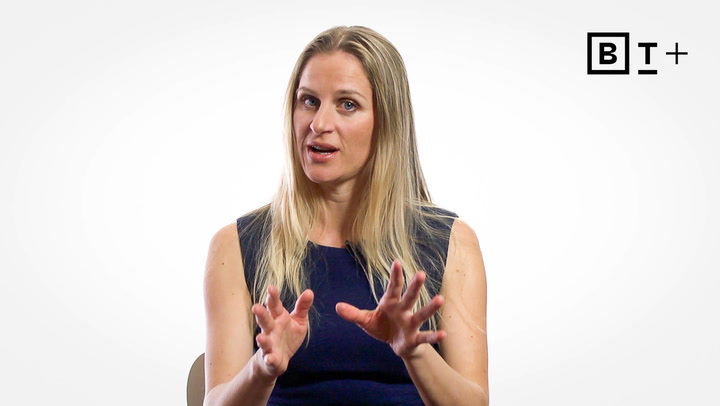
Charisma, once seen as a divine gift, is now recognized as a learnable skill that involves being present, empathetic, self-confident, and attuned to others’ needs, as explained by Emma Seppala from Stanford’s Center for Compassion.
To manage pre-presentation stress, embrace performance anxiety as a positive force by saying “I’m excited!” and channel it through energetic music or quick exercises to boost adrenaline and enhance your performance.
Stephen Miles, CEO of The Miles Group, emphasizes that even top CEOs can enhance their leadership by recognizing blind spots, and offers four tools for self-coaching: identifying your leadership style, modifying it for your audience, fostering dialogue, and affirming opposing viewpoints.
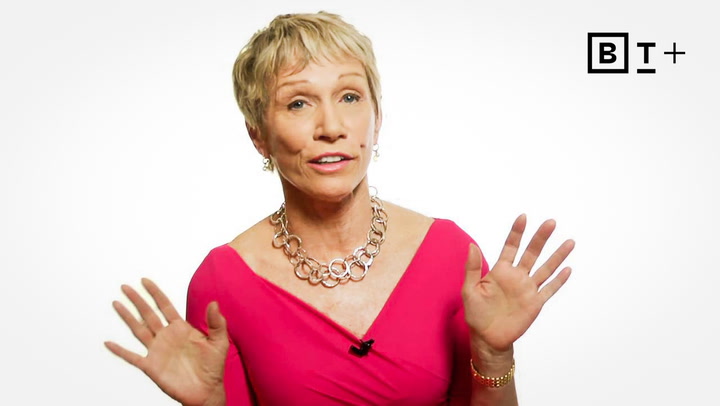
On Shark Tank, Barbara Corcoran emphasizes that strong pitches come from well-prepared, confident presenters who anticipate questions and dress appropriately, while weak pitches often stem from overcomplicated jargon and unprofessional appearances that undermine credibility.
Humor is a powerful tool for connection and communication, and by analyzing what makes you laugh and gauging audience reactions, you can refine your comedic approach to ensure it resonates effectively.
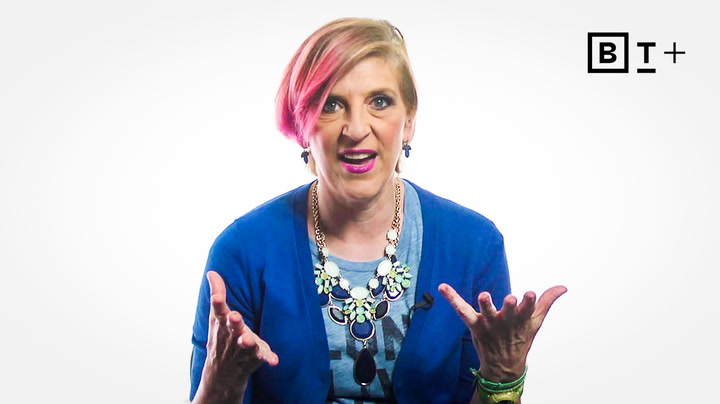
Lisa Lampanelli’s career in stand-up comedy reveals guiding principles for connecting with any audience, emphasizing the importance of servant leadership, impactful storytelling, authenticity, and finding your unique voice through personal experiences and passions.