Hierarchies, while efficient for large-scale decisions, often fail to motivate employees, prompting Toyota in the 1980s to adopt a “lean” management philosophy that empowers workers to solve problems, leading to greater efficiency and innovation.
Marines exemplify that self-starters, driven by an internal locus of control, can be cultivated through opportunities for decision-making, as anyone can learn self-motivation and accountability, enhancing team effectiveness.
The confidence gap between men and women persists, with male managers often hesitant to address it; to help, they should promote transparency, engage in discussions about the gap, rethink feedback methods, ensure equal participation in meetings, and encourage women to pursue promotions.
Effective leadership in today’s dynamic economy involves creating a supportive culture that unlocks team talents, defines clear goals, and adapts to daily realities, as outlined by Linda Hill in her video lesson on fostering performance, adaptability, and employee satisfaction.
Today’s leadership relies on building trust and inspiring commitment rather than exerting formal authority, emphasizing the importance of character and competence in fostering strong relationships with direct reports, especially in complex and interdependent environments.
Cal Newport emphasizes the importance of effective workflow strategies for teams, advocating for transparent workload management and structured communication to enhance productivity and reduce stress, ensuring the team operates smoothly like a well-oiled machine rather than a sinking ship.
Men can become better allies in their organizations by understanding that women’s empowerment is not a competition, committing to gender equality, actively listening to women, and embracing the opportunity to create meaningful social change.
Professor Michael Watkins emphasizes that to effectively achieve a strategic vision, organizations must dream big while starting small, engaging their teams early to create a compelling, shared vision that balances ambition with achievability.
Professor Michael Watkins emphasizes that structured problem-solving is essential for teams to clarify issues, explore relevant solutions, and foster consensus, ultimately leading to robust outcomes, especially in uncertain times.
Effective feedback requires a delicate balance; establish psychological safety through praise, provide specific recommendations, and use the COIN Model to guide the conversation, ensuring the recipient feels supported and motivated to improve over time.
In today’s workplace, fostering psychological safety—where team members feel secure and valued—is essential for maximizing potential, requiring leaders to confront their own insecurities, encourage open communication, and recognize individual contributions.
In this video lesson, inclusion specialist Ruchika Malhotra emphasizes the importance of delivering clear, actionable feedback to women of color by using the Situation-Behavior-Impact (SBI) framework to focus on substance rather than vague comments about style.
Inclusion specialist Ruchika Malhotra emphasizes the importance of fostering inclusivity in meetings by implementing strategies like a “no interruptions” rule and amplifying others’ ideas to ensure that all voices are heard and credited appropriately.
In this video lesson, inclusion strategist Ruchika Malhotra highlights the unfair distribution of “office housework,” which disproportionately burdens women and people of color, and offers strategies for ensuring a fairer division of tasks to support career advancement.
In this video lesson, psychologist Daniel Goleman discusses how regular positive encounters with strangers can enhance emotional intelligence and provide essential support in navigating life’s challenges.
Shep Hyken’s motto emphasizes treating employees as internal customers, a sentiment echoed by Tiffani Bova, who argues that employee satisfaction directly impacts customer experience and organizational growth, highlighting the need to address employee disengagement and burnout.
In a video lesson, restaurateur Will Guidara emphasizes that both defensive and offensive strategies are crucial for business success, advocating for small, impactful cuts during tough times and encouraging team creativity to drive innovation and revenue growth.
Effective parenting and workplace management require balancing strict boundaries with flexibility, empowering staff to personalize customer experiences while maintaining financial discipline, as exemplified by Will Guidara’s approach of tightly managing 95% of the budget to allow for meaningful connections with the remaining 5%.
Engaging in “unreasonable hospitality,” as defined by restaurateur Will Guidara, can be your strongest competitive advantage in sales by making customers feel valued, and it can be creatively and systematically implemented without being exhausting.
Instead of mundane morning interactions, psychiatrist Bessel van der Kolk suggests that offices should engage in joyful group activities like dance parties to foster camaraderie and support, especially for colleagues healing from trauma, while empowering employees and cultivating community.
Professor Suzy Welch emphasizes the importance of recognizing and supporting star employees to prevent resignations, while also addressing the challenges posed by different employee types—The Departed, The Headache, and The Heartache—to foster team success and maintain respect.
In this video lesson, Professor Suzy Welch outlines a five-step framework for leaders to intentionally cultivate organizational culture by aligning values with actions, ensuring clear communication, modeling behaviors, celebrating adherence, and enforcing standards to create a cohesive workplace.
Professor Suzy Welch introduces “lanaging,” the art of balancing leadership and management by blending inspiration with execution, enabling leaders to build trust, drive results, and effectively communicate between teams and senior leadership.
Professor Suzy Welch argues that the simplistic divide between leaders and managers is misleading; successful teams require a “lanager,” who combines visionary leadership with practical management, as she explains in her video lesson on fostering team success.
Dan Shapiro emphasizes the importance of addressing five core emotional concerns—appreciation, autonomy, affiliation, status, and role—to foster a positive and productive work environment, stating that effectively managing these concerns enhances leadership power.
Managers and leaders must foster team agility by creating an authentic, structured environment that encourages open dialogue, shared goals, and critical analysis, while also helping team members navigate uncertainty and build resilience through collaboration and creative problem-solving.
To foster engagement and prevent disillusionment, employees and organizations must align personal and organizational purposes, creating a “sweet spot” that benefits customers, employees, and the overall organization while prioritizing ethical practices and shared values.
Dan Pontefract, TELUS’s Chief Envisioner, introduces the Collaborative Leader Action Model (CLAM), which emphasizes emotional and transformational connections in leadership, guiding leaders through a structured process of connection, evaluation, communication, execution, confirmation, and celebration of outcomes.
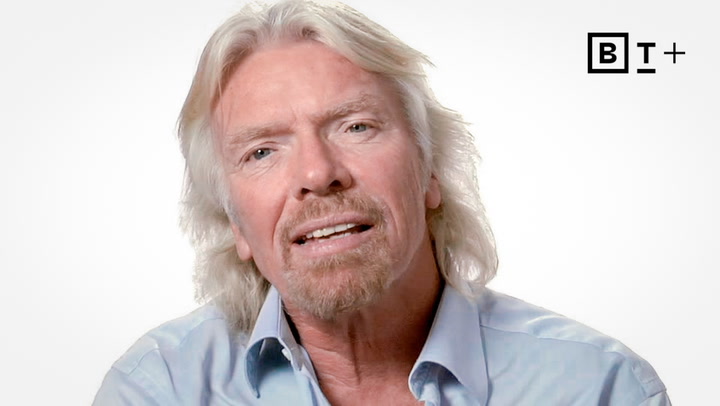
Richard Branson emphasizes the importance of effective delegation in leadership, advocating for genuine praise to help team members flourish and trusting them to learn from their own mistakes to foster autonomy and success within the Virgin Group.
This class emphasizes that effective leadership relies on fostering psychological safety and trust, encouraging genuine commitment through empathy, delegation, and intrinsic motivation, while providing practical strategies to inspire meaningful engagement and resilience within teams.