Leadership consultant Simon Sinek emphasizes that true leadership involves caring for your team, while psychologist Daniel Goleman highlights that emotionally intelligent leaders foster positivity and support, significantly enhancing team performance and well-being.
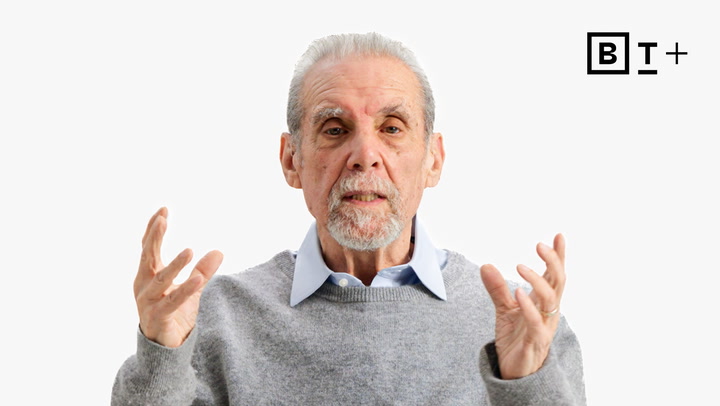
In this video lesson, psychologist Daniel Goleman discusses social awareness—an essential aspect of emotional intelligence that involves understanding others’ emotions and perspectives—and offers practical strategies to enhance empathy and improve communication skills.
In this video lesson, psychologist Daniel Goleman discusses how regular positive encounters with strangers can enhance emotional intelligence and provide essential support in navigating life’s challenges.
Restauranteur Will Guidara emphasizes the importance of “one size fits one” hospitality, encouraging businesses to embrace individual uniqueness by creating tailored experiences that foster meaningful relationships and elevate customer satisfaction through intentional service.
In a video lesson, restaurateur Will Guidara emphasizes that prioritizing relationships alongside products and empowering employees to make customers feel valued can give businesses a significant competitive edge in the hospitality industry.
In this video lesson, marketing professor Jonah Berger explains that effective storytelling hinges on emotional engagement, particularly through relatable failures and uncertainty, which keep audiences invested and eager to discover what happens next.
In this video lesson, psychiatrist Bessel van der Kolk advises against viewing trauma survivors as “fixer-uppers,” emphasizing the importance of acceptance, support, and understanding their needs while avoiding intrusive questions or attempts to change them.
In a video lesson, psychiatrist Bessel van der Kolk emphasizes the importance of compassion when interacting with trauma survivors, highlighting that seemingly negative behaviors may be coping mechanisms for deep emotional pain and urging us to consider their struggles before passing judgment.
Psychiatrist Bessel van der Kolk explains that trauma survivors often experience uncontrollable, exaggerated emotional reactions, leading to shame and difficulties in relationships, as their trauma-stunted emotional intelligence hinders their ability to connect and communicate effectively with others.
Bessel van der Kolk explains that trauma alters brain function and perception, creating distorted internal maps of the world that influence responses to threats, with effects varying by age and the presence of social support during the traumatic experience.
Bessel van der Kolk explains that trauma, once seen as an exception, is now recognized as common, emphasizing the importance of understanding experiences and behaviors rather than viewing trauma as something that needs to be fixed.
In advertising, as in education, showing genuine care for your audience enhances engagement, and by leveraging consumer insights and social media feedback, marketers can create relevant content that addresses pain points and adds value to consumers’ lives.
Entrepreneur Gary Vaynerchuk, known as “GaryVee,” emphasizes the importance of listening before speaking, a practice that enhances his advertising success and helps him build a meaningful life and legacy, as discussed in his video lesson.
Jim Peters emphasizes that firing should never be easy, as it requires care and empathy; Professor Suzy Welch outlines key strategies for ethical terminations, including addressing performance issues early, preserving dignity, offering support for future steps, and providing a fair severance package.
Professor Suzy Welch emphasizes the importance of recognizing and supporting star employees to prevent resignations, while also addressing the challenges posed by different employee types—The Departed, The Headache, and The Heartache—to foster team success and maintain respect.
In a stormy situation, Jesse Eisenberg emphasizes that effective leadership involves seeking solutions, fostering collaboration, and balancing confidence with vulnerability to motivate your team and navigate challenges together.
In a culture that prioritizes constant happiness, future-of-work expert Monica Parker suggests that embracing wonder and a broader emotional spectrum can foster resilience and enhance well-being, ultimately leading to a more fulfilling and realistic approach to our emotions.
Emotional intelligence (EQ), more crucial than IQ for career success and a set of learnable skills, encompasses self-awareness, self-management, social awareness, and relationship management, which effective leaders must master to excel in their roles.
Charisma, once seen as a divine gift, is now recognized as a learnable skill that involves being present, empathetic, self-confident, and attuned to others’ needs, as explained by Emma Seppala from Stanford’s Center for Compassion.
This class explores the complexities of ego and leadership through lessons from figures like Daedalus and Icarus, emphasizing self-awareness, humility, and the cultivation of charisma, while offering practical strategies for effective leadership transitions and fostering genuine connections within teams.
The CIA’s “Red Team” during the Cold War exemplified strategic empathy by encouraging high-ranking officers to role-play adversaries, fostering humility and curiosity to enhance understanding and inform leadership decisions through an unorthodox analysis of emotions and perspectives.
Despite ancient Greek knowledge of a round Earth, many still believe in a flat planet due to a human predisposition for magical thinking, making it challenging to combat superstition and conspiracy theories even with evidence and reason.