Jesse Eisenberg emphasizes that while perfectionism can hinder project completion, effective leaders should manage time by acknowledging their team’s contributions and guiding them to prioritize essential tasks over unnecessary refinements.
Jesse Eisenberg emphasizes that true leadership involves humility—prioritizing the skills and expertise of team members over one’s own, fostering an environment where everyone can excel and contribute effectively to achieve the best outcomes.
In a video lesson, Jesse Eisenberg emphasizes that effective leadership can thrive on harmonious relationships and collaboration rather than extroverted bravado, encouraging leaders to prioritize understanding their team and fostering a supportive environment over traditional authoritative styles.
Jesse Eisenberg emphasizes the importance of self-compassion and normalizing anxiety in professional settings, advocating for reframing difficult emotions and helping others manage their feelings to foster empathy and serenity.
Actor Jesse Eisenberg argues that fear, often seen as a weakness, can be a motivating superpower for high achievers, encouraging acceptance of discomfort and the establishment of boundaries to prevent overwhelm while fostering personal growth.
In this video lesson, actor and director Jesse Eisenberg offers strategies to positively channel common work-related anxieties, establish effective boundaries, and foster collaborative environments that leverage individual strengths.
Kieran Behan’s journey to the 2012 Olympics exemplifies resilience in the face of adversity, a theme echoed by Ginni Rometty, who emphasizes the importance of relationships and a positive attitude in overcoming life’s challenges.
In today’s complex, multicultural workplace, effective leaders must adapt their communication styles to connect with diverse individuals by understanding their differences and preparing for interactions with thoughtful pre-engagement questions, as advised by leadership strategist Jane Hyun.
This class, led by experts like Amy Cuddy and Tony Coles, focuses on developing presence, emotional intelligence, and self-knowledge to enhance personal and professional growth, emphasizing the importance of self-affirmation, leadership dynamics, and creating a supportive workplace culture.
Avoiding conflict can lead to greater issues later, so leaders should address disputes promptly, ensuring all parties feel heard, while also sharing the emotional labor of conflict management to foster a smoother organizational environment.
Chloe Valdary emphasizes the importance of understanding our own pain and triggers when interacting with individuals who hold harmful ideologies, advocating for compassion and “shadow work” to foster vulnerability and create a supportive community.
Emotional intelligence (EQ), more crucial than IQ for career success and a set of learnable skills, encompasses self-awareness, self-management, social awareness, and relationship management, which effective leaders must master to excel in their roles.
Richard Branson emphasizes the importance of effective delegation in leadership, advocating for genuine praise to help team members flourish and trusting them to learn from their own mistakes to foster autonomy and success within the Virgin Group.
XPRIZE Chairman Peter Diamandis emphasizes the importance of defining a clear goal, encouraging innovative solutions, enlisting expert support, and personalizing outcomes to effectively harness a team’s creativity in achieving objectives.
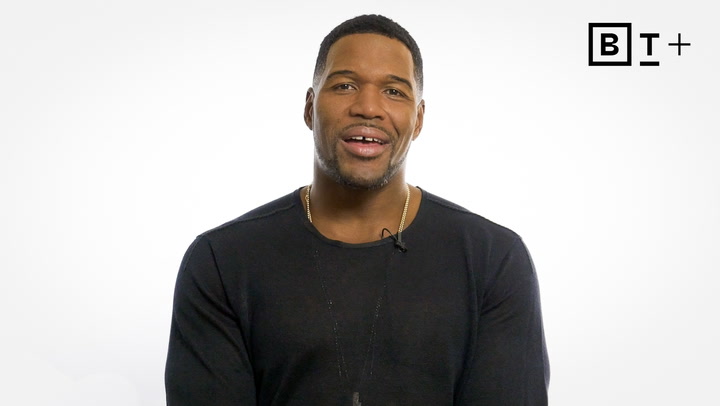
Michael Strahan emphasizes that effective leadership involves modeling desired behaviors, fostering authenticity, and ensuring every team member feels valued, while also reflecting on one’s role in team dynamics to promote a positive environment.
Charisma, once seen as a divine gift, is now recognized as a learnable skill that involves being present, empathetic, self-confident, and attuned to others’ needs, as explained by Emma Seppala from Stanford’s Center for Compassion.
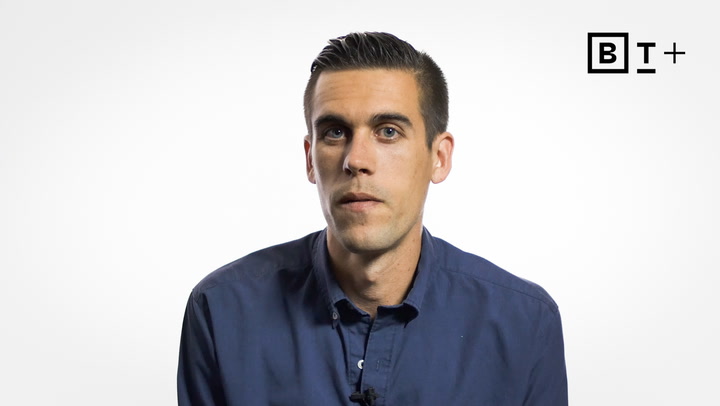
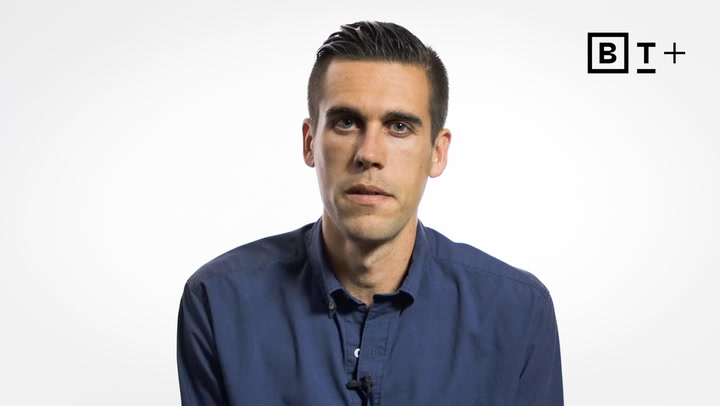
In his video lesson, PR strategist Ryan Holiday advises against the common advice to “hit the ground running” in a new role, advocating instead for a more measured approach that emphasizes humility, observation, and understanding the existing dynamics before implementing one’s vision.
Correlation does not imply causation; while successful individuals may exhibit overconfidence, as Ryan Holiday suggests, it’s essential to recognize that true success stems from talent, hard work, and self-awareness, rather than ego, which can lead to mistakes and entitlement.
To manage pre-presentation stress, embrace performance anxiety as a positive force by saying “I’m excited!” and channel it through energetic music or quick exercises to boost adrenaline and enhance your performance.
Stephen Miles, CEO of The Miles Group, emphasizes that even top CEOs can enhance their leadership by recognizing blind spots, and offers four tools for self-coaching: identifying your leadership style, modifying it for your audience, fostering dialogue, and affirming opposing viewpoints.
To communicate effectively in a crisis, understand the emotions involved, provide reassurance and transparency, acknowledge mistakes, and demonstrate competence to build trust throughout the acute, response, and post-disaster phases.
Lisa Lampanelli’s career in stand-up comedy reveals guiding principles for connecting with any audience, emphasizing the importance of servant leadership, impactful storytelling, authenticity, and finding your unique voice through personal experiences and passions.
The CIA’s “Red Team” during the Cold War exemplified strategic empathy by encouraging high-ranking officers to role-play adversaries, fostering humility and curiosity to enhance understanding and inform leadership decisions through an unorthodox analysis of emotions and perspectives.