Skip to content


In this video lesson, psychologist Ethan Kross discusses how personal and group rituals, like Dr. Shepherd’s pre-surgery mantra in Grey’s Anatomy, can help manage negative inner dialogue and restore a sense of order and control during stressful situations.
Many individuals experience frustration with workplace technology, but author Nir Eyal argues that the real issue lies in workplace culture, emphasizing the need for psychological safety, employee forums, and modeling focus-friendly behaviors to foster a healthier, more productive environment.
In a competitive business landscape, prioritizing employees’ emotional well-being and relationships, as advocated by psychologist Daniel Goleman, can lead to long-term success, with leaders fostering a high emotional intelligence environment through clear expectations and genuine care.
Forbes highlights that companies with strong cultures can achieve 4x revenue growth, and Executive Advisor Tiffani Bova emphasizes that trusted leadership, cross-functional collaboration, and diversity of thought are essential for fostering an engaging work environment that benefits both employees and customers.
Shep Hyken’s motto emphasizes treating employees as internal customers, a sentiment echoed by Tiffani Bova, who argues that employee satisfaction directly impacts customer experience and organizational growth, highlighting the need to address employee disengagement and burnout.
Tiffani Bova emphasizes the crucial link between customer experience (CX) and employee experience (EX), arguing that fostering happy employees leads to satisfied customers, and suggests balancing their needs to drive growth and improve overall business alignment.
Gallup’s 2022 findings reveal that 50% of the workforce is “quiet quitting,” indicating widespread employee dissatisfaction, but Executive Advisor Tiffani Bova suggests that leaders can address this by treating employees as top stakeholders and prioritizing their needs for long-term success.
Instead of mundane morning interactions, psychiatrist Bessel van der Kolk suggests that offices should engage in joyful group activities like dance parties to foster camaraderie and support, especially for colleagues healing from trauma, while empowering employees and cultivating community.
Professor Suzy Welch emphasizes the importance of recognizing and supporting star employees to prevent resignations, while also addressing the challenges posed by different employee types—The Departed, The Headache, and The Heartache—to foster team success and maintain respect.
In this video lesson, Professor Suzy Welch outlines a five-step framework for leaders to intentionally cultivate organizational culture by aligning values with actions, ensuring clear communication, modeling behaviors, celebrating adherence, and enforcing standards to create a cohesive workplace.
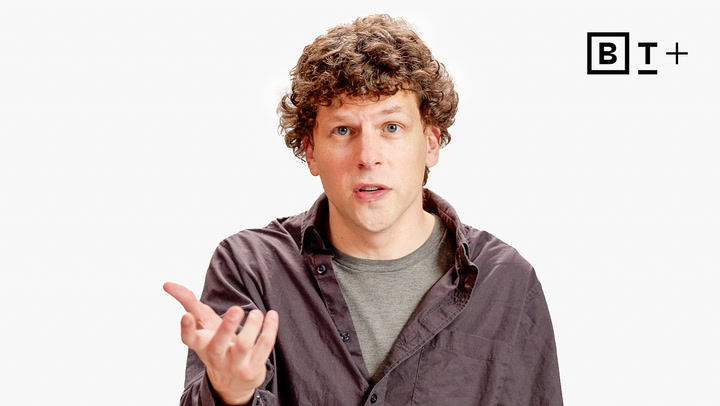
In a video lesson, Jesse Eisenberg emphasizes that effective leadership can thrive on harmonious relationships and collaboration rather than extroverted bravado, encouraging leaders to prioritize understanding their team and fostering a supportive environment over traditional authoritative styles.
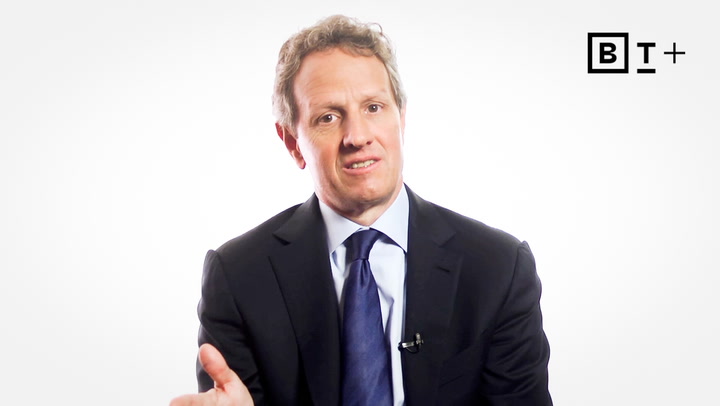
Organizational culture, crucial for effective decision-making in crises, emphasizes psychological qualities like collaboration and trust, as highlighted by former U.S. Treasury Secretary Timothy, who advocates for diverse perspectives and a supportive environment free from competitive behavior.
Dan Shapiro emphasizes the importance of addressing five core emotional concerns—appreciation, autonomy, affiliation, status, and role—to foster a positive and productive work environment, stating that effectively managing these concerns enhances leadership power.
This class, led by experts like Amy Cuddy and Tony Coles, focuses on developing presence, emotional intelligence, and self-knowledge to enhance personal and professional growth, emphasizing the importance of self-affirmation, leadership dynamics, and creating a supportive workplace culture.
In response to low employee engagement, TELUS, led by Chief Envisioner Dan Pontefract, transformed its culture to prioritize transparency and collaboration, resulting in a remarkable increase in engagement scores from 53% to 87%, over 300% shareholder return, and a significant rise in job applications.
Dan Pontefract highlights the benefits of a sense of purpose for individuals and organizations, emphasizing that alignment with personal purpose can reduce disease risk, enhance business outcomes, and warning against leadership practices that prioritize profit over purpose, leading to employee disengagement.
Dan Pontefract, TELUS’s Chief Envisioner, introduces the Collaborative Leader Action Model (CLAM), which emphasizes emotional and transformational connections in leadership, guiding leaders through a structured process of connection, evaluation, communication, execution, confirmation, and celebration of outcomes.
Richard Branson emphasizes the importance of effective delegation in leadership, advocating for genuine praise to help team members flourish and trusting them to learn from their own mistakes to foster autonomy and success within the Virgin Group.
This class emphasizes that effective leadership relies on fostering psychological safety and trust, encouraging genuine commitment through empathy, delegation, and intrinsic motivation, while providing practical strategies to inspire meaningful engagement and resilience within teams.
Video game designer Jane McGonigal argues that games can train for real life by fostering a challenge mindset at work, encouraging employees to choose their own challenges and set personal goals, which minimizes a threat-based mentality.
Retired four-star general Stanley McChrystal discusses fostering shared consciousness and team-based performance incentives to align individuals with organizational goals, emphasizing transparency to prevent rogue behavior and encouraging collective success over individual achievements.
General Stanley McChrystal emphasizes the importance of communication in leadership, advocating for transparency, shared consciousness, and strategic overlaps in responsibilities to build trust and streamline information flow across teams and business units.