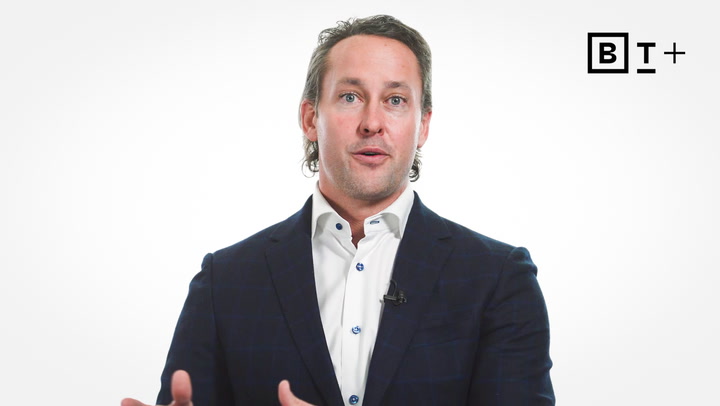
Restaurateur Will Guidara emphasizes the importance of a meticulous hiring process, advising that taking time to find the right fit can prevent costly missteps that disrupt team dynamics and values.
Restaurateur Will Guidara advocates for a team culture in hospitality where asking for help is normalized, emphasizing self-care and support through practices like identifying what fills team members’ “pitchers” and destigmatizing help requests with subtle cues.
Restaurateur Will Guidara emphasizes the importance of balancing praise and constructive criticism to cultivate a culture of growth and excellence, sharing five essential rules for providing and receiving feedback effectively.
Will Guidara emphasizes the importance of articulating core values through collaborative language, as demonstrated by Eleven Madison Park’s staff, who identified four key values—hospitality, excellence, education, and passion—to shape a cohesive organizational culture.
Restaurateur Will Guidara emphasizes that extending hospitality to employees, alongside customers, fosters a culture of shared values and purposeful communication, ultimately enabling staff to feel valued and perform at their best.
Kenji Yoshino’s research highlights the inadequacy of many diversity initiatives since the 1960s, proposing a three-step framework—diagnose, analyze, and act—to effectively address identity covering in workplaces and foster genuine inclusion.
Kenji Yoshino’s research highlights the gap between organizations’ stated and lived inclusion values, urging leaders to engage in meaningful dialogue with employees to align practices with core values and address any discrepancies.
Kenji Yoshino discusses Robert Putnam’s bonding and bridging capital, emphasizing that while bonding capital unites individuals within groups, bridging capital fosters connections across diverse groups, advocating for combined bonding and bridging activities to prevent isolation in organizations.
Kenji Yoshino’s research highlights that covering demands from leaders significantly diminish employee commitment and engagement, emphasizing the need for leaders to actively support diversity initiatives to fully harness their workforce’s talents.
As workplaces evolve into total institutions that demand more of individuals, leaders must prioritize authenticity and support human flourishing, as 61% of employees report covering, which significantly harms their sense of self.
In her lesson, Salzberg emphasizes fostering organizational meaning through individual and institutional commitments to compassion, self-care, and resilience, while highlighting the importance of balance to prevent collective burnout.
NASA exemplifies innovation under pressure through “situationally appropriate leadership,” where diverse, empowered individuals on the frontlines lead problem-solving efforts, fostering adaptability and efficiency while enhancing talent retention and collaboration.
Real accountability, as emphasized by CEO Brent Gleeson, involves individuals taking full responsibility for project outcomes, fostering a culture of trust and resilience, and requires leaders to model this behavior by owning mistakes and prioritizing ethical values in peer reviews.
Brent Gleeson emphasizes that trust is essential for team success, advocating for trustworthy leadership, transparent communication, and authentic empowerment to build a strong organizational culture that compensates for individual weaknesses and fosters collaboration.
In his video lesson, CEO Brent Gleeson emphasizes that fostering a cohesive team mindset, driven by leaders, is essential for overcoming individualistic incentives and achieving shared goals through collaboration, trust, and a collective sense of purpose.
Brent Gleeson emphasizes the importance of cultural transformations over metric-focused goals for effective change, outlining steps to inspire emotional investment, assign change evangelists, and communicate progress through purposeful storytelling in his culture-driven transformation model.
Transforming an organization’s culture is challenging but essential; CEO Brent Gleeson outlines a three-step Culture-Driven Transformation Model that emphasizes performing a culture diagnostic, engaging employees, and defining mindsets to drive meaningful change and mission success.
In a rapidly evolving business landscape, CEO Brent Gleeson emphasizes that successful organizational transformation hinges on cultivating a strong culture, as engaged employees are crucial for navigating change and achieving objectives amidst fierce competition and limited resources.
People naturally resist change due to their preference for the status quo, but leaders can ease these fears during market shifts by fostering trust and promoting a growth mindset, which encourages innovation and supports strategic experimentation.
Rita McGrath emphasizes the importance of engaging with frontline employees, leveraging diverse perspectives, balancing decision-making types, and encouraging experimentation to identify strategic inflection points that shape the market landscape.
Understanding and addressing cultural differences in tightness and looseness is crucial for successful mergers, as it helps prevent conflicts and enhances collaboration by strategically negotiating areas for flexibility and structure between the merging organizations.
Organizations exist on a “tight”-“loose” continuum, with tighter cultures emphasizing rules and control in high-threat environments, while looser cultures prioritize flexibility and innovation; leaders must assess their organization’s position and navigate cultural shifts by addressing employee fears and fostering collective goals.
Cultural psychologist Michele Gelfand illustrates that a system’s tightness or looseness correlates with the threats it faces, and understanding this framework can enhance collaboration, reduce tensions, and improve organizational health.
Simon Sinek emphasizes that everyone deserves happiness at work, achievable through small steps to build trust and improve relationships, ultimately fostering a fulfilling professional environment where individuals feel valued and supported.
A vision drives motivation and purpose, but not everyone is a natural visionary; instead of seeking personal clarity, Simon Sinek suggests supporting a leader or organization with a compelling vision and focusing on collective efforts to ignite passion and purpose.
A strong company culture is built on trust, where empathy and vulnerability foster a safe environment for employees to admit mistakes, seek help, and learn together, ultimately enhancing organizational strength and collaboration.
To build a strong company culture, consciously define actionable values, prioritize meaningful hiring processes that assess cultural fit, and ensure that every team member embodies the character and behaviors that reflect your organization’s core principles.
In this video lesson, Simon Sinek emphasizes that prioritizing employee well-being and professional growth over mere profit leads to better performance and customer service, highlighting the importance of genuine leadership commitment to fostering a supportive work culture.
Leadership strategist Dan Pontefract outlines a three-step process for open thinking—creative, critical, and doing—emphasizing the importance of flexibility and focus during the doing phase, while offering best practices for individuals and organizations to enhance applied thinking and productivity.
Dan Pontefract emphasizes that organizations must prioritize creative thinking over mere productivity metrics, as fostering a culture that encourages dreaming and ideating is essential for generating innovative ideas and achieving meaningful benefits.