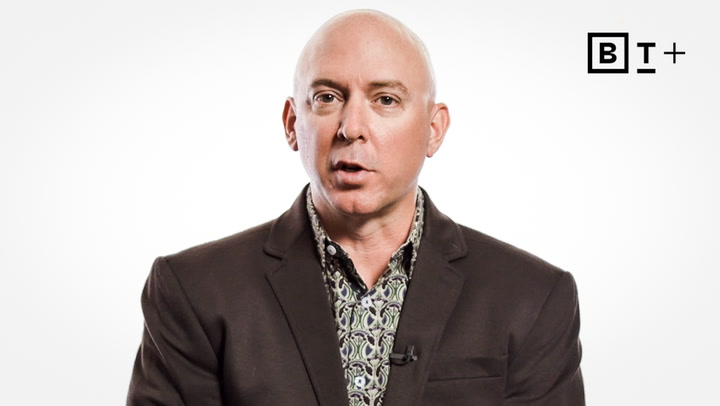
Dan Pontefract highlights the benefits of a sense of purpose for individuals and organizations, emphasizing that alignment with personal purpose can reduce disease risk, enhance business outcomes, and warning against leadership practices that prioritize profit over purpose, leading to employee disengagement.
To foster engagement and prevent disillusionment, employees and organizations must align personal and organizational purposes, creating a “sweet spot” that benefits customers, employees, and the overall organization while prioritizing ethical practices and shared values.
Dan Pontefract, TELUS’s Chief Envisioner, introduces the Collaborative Leader Action Model (CLAM), which emphasizes emotional and transformational connections in leadership, guiding leaders through a structured process of connection, evaluation, communication, execution, confirmation, and celebration of outcomes.
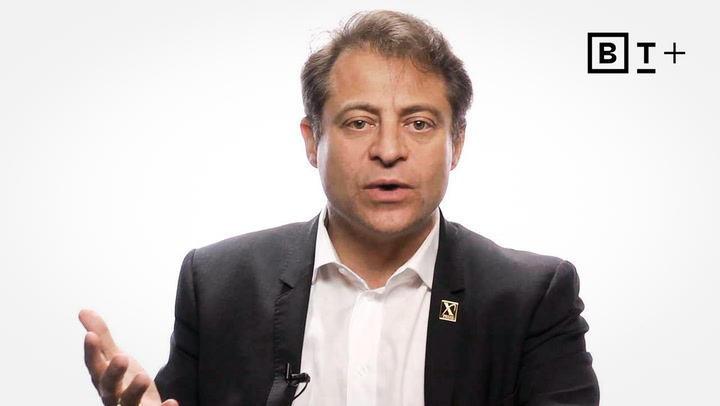
XPRIZE Chairman Peter Diamandis emphasizes the importance of defining a clear goal, encouraging innovative solutions, enlisting expert support, and personalizing outcomes to effectively harness a team’s creativity in achieving objectives.
Led by experts like Peter Diamandis and Jane McGonigal, this class teaches participants to harness innovation and creativity through clear goal-setting, a challenge mindset, and the effective use of deadlines, fostering a culture of productivity and empowerment.
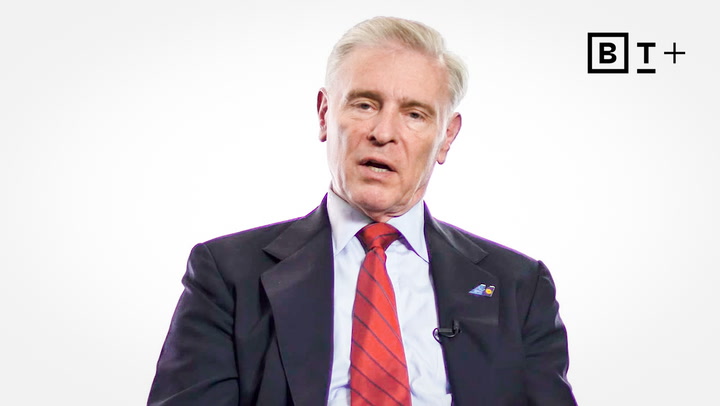
Trust is a delicate yet essential tool for building relationships and organizational reputations, and Joel Peterson outlines five laws—investing in respect, measuring goals, communicating transparently, striving for win-win negotiations, and embracing humility—to cultivate high-trust environments.
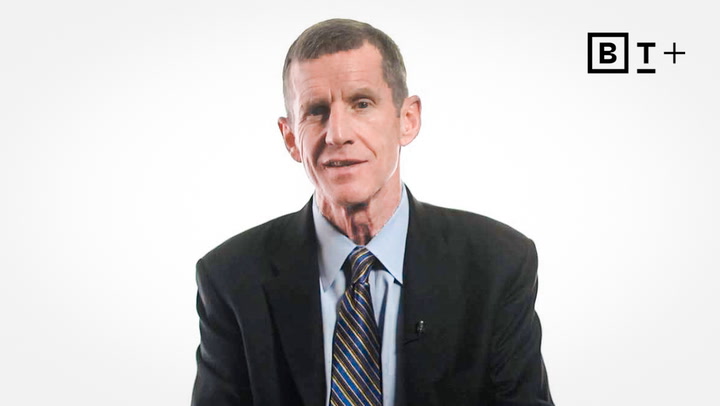
Retired four-star general Stanley McChrystal discusses fostering shared consciousness and team-based performance incentives to align individuals with organizational goals, emphasizing transparency to prevent rogue behavior and encouraging collective success over individual achievements.
General Stanley McChrystal emphasizes the importance of communication in leadership, advocating for transparency, shared consciousness, and strategic overlaps in responsibilities to build trust and streamline information flow across teams and business units.
In this video lesson, Nicholas Christakis discusses the importance of actively engineering professional networks to enhance career development, offering strategies like seeking diverse connections and facilitating introductions to optimize network structures for achieving specific objectives.
This class teaches the vital role of managing professional relationships and networks for career success, emphasizing trust, strategic connections, and effective communication, as highlighted by experts like Linda Hill, Nicholas Christakis, Adam Grant, and General Stanley McChrystal.
Flow is an optimized state of performance achieved through a four-part cycle—struggle, release, flow, and recovery—where understanding and managing each phase, particularly struggle and recovery, enhances your ability to access flow more frequently.