Own your sense of belonging. Signal credibility.
Make time for goal-setting. Balance short- and long-term progress.
Create the conditions for healthy group dynamics. Evolve management structures slowly and intentionally.
Set clear expectations for business relationships. Create the conditions for honesty to thrive.
Think long term when solving short-term problems. Create continuity with team check-ins.
Seek clarity by finding the root cause. Be upfront with facts when problem-solving.
Follow through on commitments. Develop systems of accountability.
AI expert and insitro CEO Daphne Koller shares her insights about developing the vision and strategy needed to optimize your enterprise AI deployments.
Scrutinize AI tools for organizational fit. Make informed decisions before investing.
Prepare strategically for AI deployment. Remind people of their procedural accountability when using AI.
Reframe skill loss as skill evolution.
Build durable human-centric skills for the future.
Gawande explores how to keep growing even after you’ve mastered your craft.
Explore how Atul Gawande defines the role of a leader.
Set bold, yet attainable goals. Conduct regular progress reviews.
In the operating room, success isn’t about one person but the teamwork behind them. Surgeon Atul Gawande says those lessons under pressure apply far beyond medicine.
In times of crisis, effective leaders like Satya Nadella, Mary Barra, and Howard Schultz swiftly abandon outdated strategies and make tough decisions, as outlined by investor Ben Horowitz, who emphasizes the need for adaptability and decisive action in “wartime” business scenarios.
Venture capitalist Ben Horowitz warns that neglecting tough decisions, akin to ignoring a small leak, leads to “management debt” that compounds organizational issues, resulting in dissatisfied employees and ineffective teams, while effective leaders confront problems directly to prevent long-term dysfunction.
In this video lesson, executive coach Kim Scott outlines a six-step strategy for responding to professional missteps—focusing on awareness, acknowledgment, acceptance, amends, and behavior change—before offering an apology to effectively restore trust without rushing.
Neil Irwin advocates for viewing career development as a “career lattice” rather than a ladder, emphasizing that growth involves lateral and downward moves, and encourages professionals to embrace new opportunities and reassess their roles every few years.
In a video lesson, Neil Irwin emphasizes that while data is the 21st century’s currency, mastering its interpretation and application can enhance both individual and organizational success, urging professionals to leverage data wisely for career development.
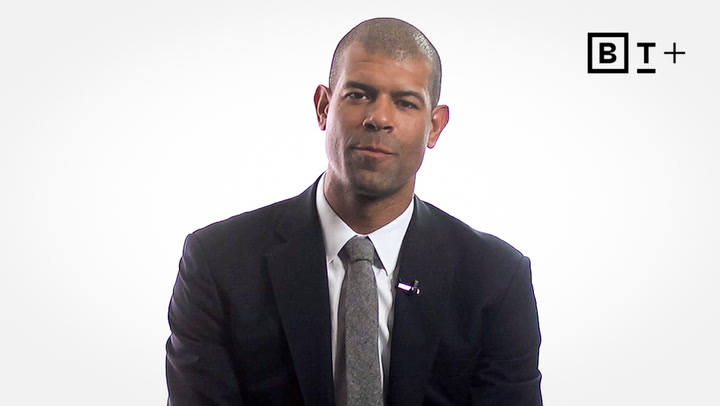
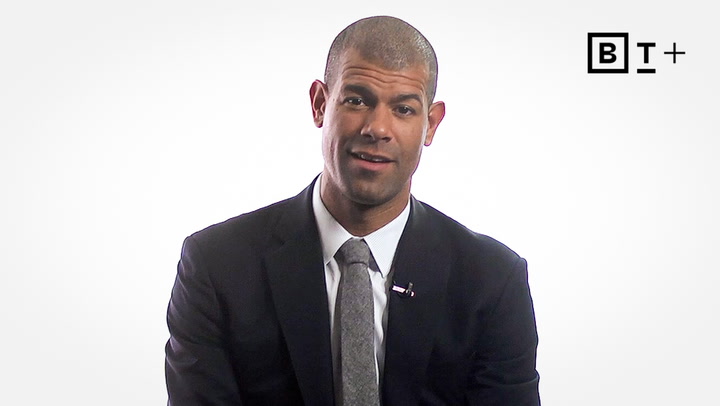
NBA champion Shane Battier embodies Carol Dweck’s growth mindset theory, believing that talent is merely a starting point, and emphasizes that dedication and hard work foster resilience and passion for learning, as he overcame physical limitations throughout his career.
Former NBA player Shane Battier, dubbed “the no stat all-star,” emphasizes that being a valuable team player, rather than focusing solely on statistics, is essential for team success and can lead to recognition and significant rewards.
Habit expert Gretchen Rubin emphasizes that forming new habits can be easier by making foundational lifestyle choices—such as healthy eating, adequate sleep, regular exercise, and decluttering—that enhance self-command and create optimal conditions for habit formation.
NASA exemplifies innovation under pressure through “situationally appropriate leadership,” where diverse, empowered individuals on the frontlines lead problem-solving efforts, fostering adaptability and efficiency while enhancing talent retention and collaboration.
Organization expert Carson Tate encourages questioning the importance of our “shoulds” using the POWER Method, which helps evaluate their purpose, opportunity, expectations, and truth, ultimately empowering us to prioritize effectively and confidently say “no” when necessary.
Real accountability, as emphasized by CEO Brent Gleeson, involves individuals taking full responsibility for project outcomes, fostering a culture of trust and resilience, and requires leaders to model this behavior by owning mistakes and prioritizing ethical values in peer reviews.
Leaders admired for their “it” factor, characterized by charisma and confidence, embody executive presence, which Bill McDermott calls “wearing the jacket,” emphasizing the importance of body language and accountability in leadership.
Robert Cialdini emphasizes the ethical use of persuasion and pre-suasion, warning that irresponsible practices can lead to high turnover and a culture of dishonesty, while encouraging businesses to prioritize customer interests and the genuine value of their offerings.
Marines exemplify that self-starters, driven by an internal locus of control, can be cultivated through opportunities for decision-making, as anyone can learn self-motivation and accountability, enhancing team effectiveness.
Former CIA operative Andrew Bustamante shares how the “win or die trying” mindset can enhance leadership by fostering accountability, minimizing distractions, and promoting excellence in business through strategic decision-making and support for high performers.