Nurture strong team dynamics. Lead by example.
Consider how small actions shape culture. Adopt strategic people changes incrementally.
Think long term when solving short-term problems. Create continuity with team check-ins.
Be curious about others’ passions. Cultivate a creative and collaborative environment.
Follow through on commitments. Develop systems of accountability.
Infuse values throughout your organization. Hire and assess performance with values in mind.
CEO Steve Stoute shares the real rules of building a winning company culture.
Great companies are built on intention, not instinct. Music mogul and entrepreneur Steve Stoute, often called “the CEO other CEOs turn to for advice,” shares what it takes to become a strong leader.
Organizational psychologist Adam Grant emphasizes that while no one excels at a skill initially, effective leadership can uncover and nurture the untapped potential in team members through guidance and practice.
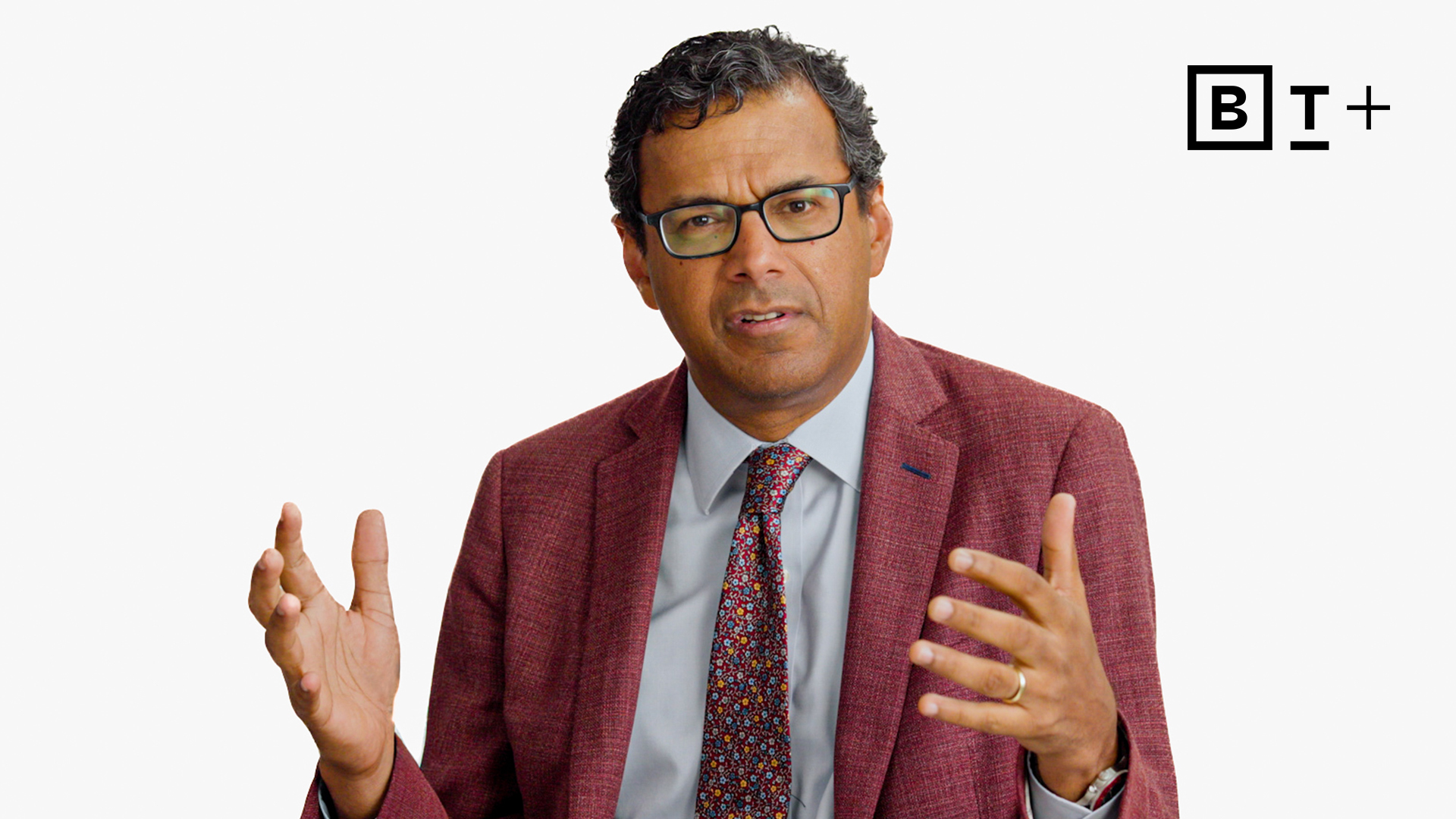
Gawande explores how to keep growing even after you’ve mastered your craft.
Explore how Atul Gawande defines the role of a leader.
In the operating room, success isn’t about one person but the teamwork behind them. Surgeon Atul Gawande says those lessons under pressure apply far beyond medicine.
Venture capitalist Ben Horowitz emphasizes that a company’s culture is shaped by specific, consistently practiced behaviors rather than abstract values, advocating for clear actions—like acknowledging customer inquiries promptly—to reinforce desired cultural traits.
Venture capitalist Ben Horowitz warns that neglecting tough decisions, akin to ignoring a small leak, leads to “management debt” that compounds organizational issues, resulting in dissatisfied employees and ineffective teams, while effective leaders confront problems directly to prevent long-term dysfunction.
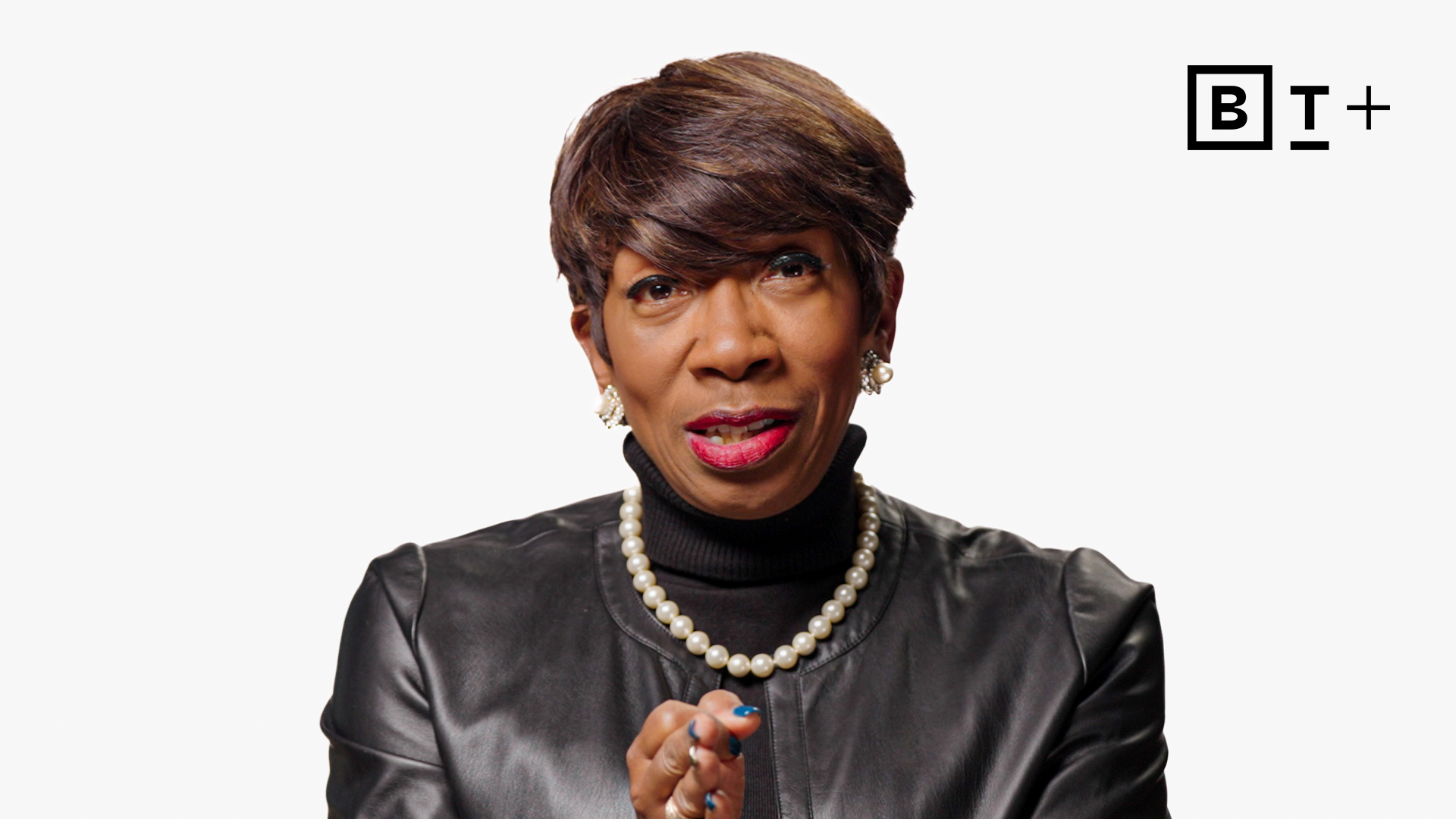
Psychologists highlight the “bystander effect,” where witnessing a problem reduces individual action, but executive coach Kim Scott offers five strategies—disrupt, delay, distract, delegate, and document—to encourage proactive support and transform bystanders into upstanders in challenging situations.
In a video lesson, executive coach Kim Scott emphasizes that radical respect—valuing individuals for their inherent worth rather than just their accomplishments—is foundational for fostering deeper collaboration and stronger performance within teams.
First-wave feminism focused on minimizing gender differences, but current research highlights that gender-diverse teams, leveraging unique strengths of women—such as emotional intelligence and holistic thinking—outperform homogeneous groups by mitigating blind spots in decision-making.
To cultivate a culture of innovation, organizations should establish a dedicated “growth board” that acts like an in-house venture capital team, evaluating new ideas against strategic priorities and fostering collaboration across departments to drive change and ownership among all employees.
To combat workplace sexual harassment, companies must prioritize elevating women into leadership roles, fostering a culture of accountability, ensuring safe reporting mechanisms, and providing comprehensive in-person training that empowers bystanders to act against misconduct.
Diversity enhances creativity and innovation in organizations, but tokenism undermines this potential; instead, companies should focus on integrating underrepresented employees based on their strengths, fostering belonging, and creating environments where diverse voices can thrive and contribute meaningfully.
To effectively develop and scale ideas in a digital world, leaders should shift from “my idea” to “the idea” thinking by creating collaborative virtual spaces for sharing and discussing projects, thereby distributing ownership and empowering their workforce.
To reinvent management, we must shift from Taylorism’s focus on individual, repetitive tasks to a model that fosters collaboration, creativity, and ownership of complex problems, leveraging diverse skill sets and technology to drive innovation.
Remote teams can be as effective as in-office ones when managed well, offering unique benefits that include improved communication, trust, and agility, but require intentional strategies to overcome physical, operational, and affinity distances.
Erica Dhawan outlines five traits—curiosity, combination, courage, community, and combustion—that enhance connectional intelligence (CxQ) to foster innovation, illustrated by Colgate-Palmolive’s successful problem-solving approach with a new fluoride toothpaste.
Collaboration consultant Erica Dhawan argues that while IQ and emotional intelligence were once prioritized, connectional intelligence (CxQ) is now essential for achieving success in the 21st century.
Successful teams, much like jazz ensembles, thrive on fluidity and adaptability, embracing mistakes as opportunities for growth while fostering a culture of improvisation and collaboration to navigate constantly changing environments.
Ecosystems, like teams, are sensitive to change; new leaders must strategically manage roles and relationships to ensure balance, reengage disappointed team members, and recalibrate dynamics to effectively guide their teams toward shared goals.
In a video lesson, Professor Michael Watkins emphasizes that new leaders should take time to understand an organization’s culture and needs before implementing changes, as moving too quickly can lead to rejection and resistance from employees.
In this video lesson, Professor Michael Watkins emphasizes the importance of understanding organizational culture and politics through observation and inquiry, advising new employees to ask questions, conduct interviews, and seek external insights to adapt quickly to their new roles.
To thrive in a new leadership role, Michael Watkins advises understanding the organization’s culture and assessing its needs, which will help you adapt your leadership style and gain support from superiors and team members.