Skip to content


Psychologist Daniel Goleman describes an “optimal state” of peak performance where work feels effortless and achievement becomes energizing. According to Goleman, individuals, teams, and organizations can cultivate this state through mindfulness, focus, and emotional intelligence.
Think long term when solving short-term problems. Create continuity with team check-ins.
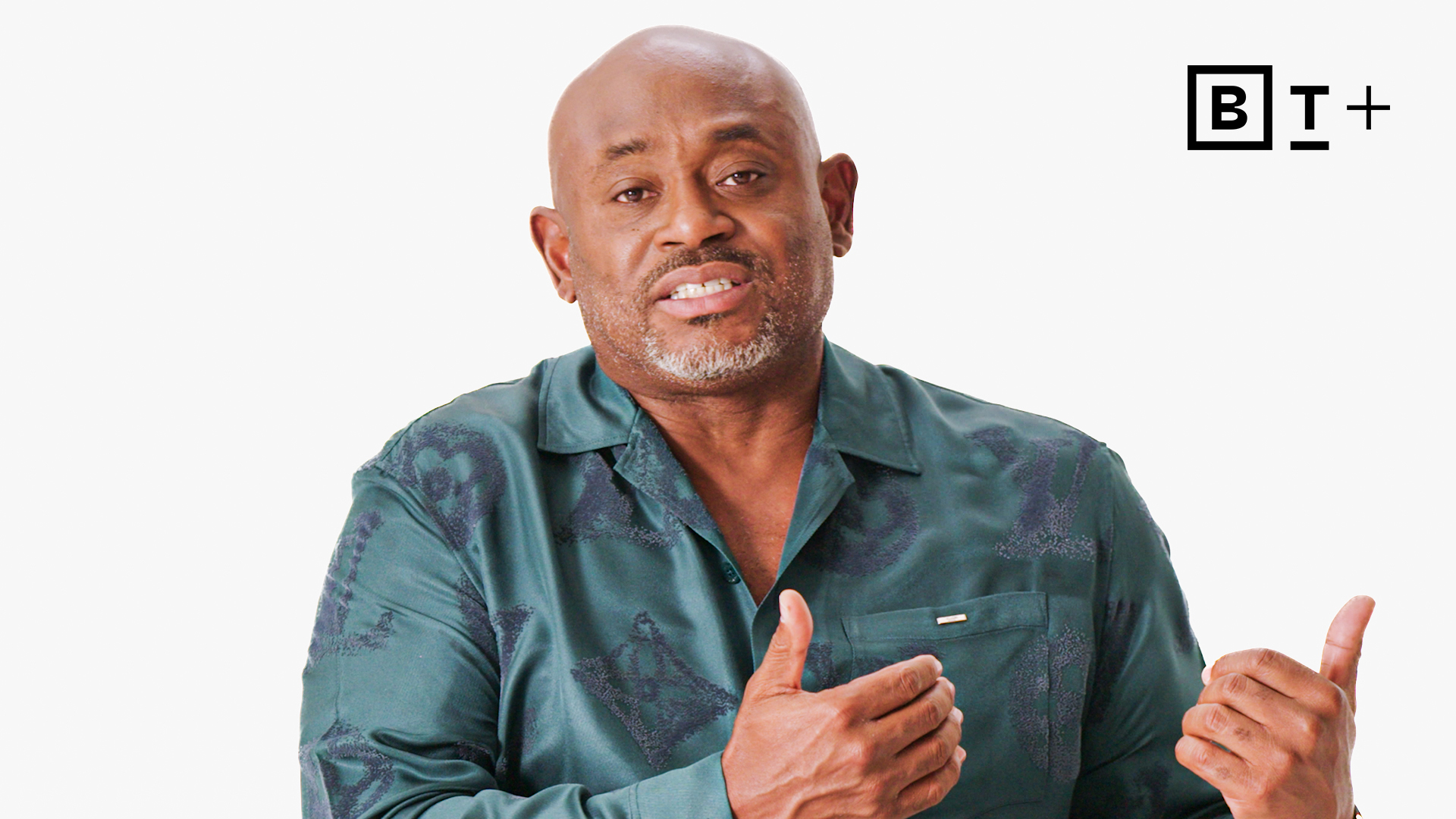
Great companies are built on intention, not instinct. Music mogul and entrepreneur Steve Stoute, often called “the CEO other CEOs turn to for advice,” shares what it takes to become a strong leader.
Organizational psychologist Adam Grant emphasizes that while no one excels at a skill initially, effective leadership can uncover and nurture the untapped potential in team members through guidance and practice.
In times of crisis, effective leaders like Satya Nadella, Mary Barra, and Howard Schultz swiftly abandon outdated strategies and make tough decisions, as outlined by investor Ben Horowitz, who emphasizes the need for adaptability and decisive action in “wartime” business scenarios.
In this lesson, investor Ben Horowitz discusses how to effectively manage brilliant but challenging employees—categorized as Heretics, Flakes, and Jerks—by leveraging their strengths while minimizing their disruptive behaviors to benefit the organization.
Even the most qualified hires require structured training to clarify expectations, enhance engagement, and boost productivity; without a training plan, new employees struggle to integrate and perform effectively, ultimately impacting team performance.
Venture capitalist Ben Horowitz emphasizes that a company’s culture is shaped by specific, consistently practiced behaviors rather than abstract values, advocating for clear actions—like acknowledging customer inquiries promptly—to reinforce desired cultural traits.
Venture capitalist Ben Horowitz warns that neglecting tough decisions, akin to ignoring a small leak, leads to “management debt” that compounds organizational issues, resulting in dissatisfied employees and ineffective teams, while effective leaders confront problems directly to prevent long-term dysfunction.