Skip to content


Instead of mundane morning interactions, psychiatrist Bessel van der Kolk suggests that offices should engage in joyful group activities like dance parties to foster camaraderie and support, especially for colleagues healing from trauma, while empowering employees and cultivating community.
In a video lesson, psychiatrist Bessel van der Kolk emphasizes the importance of compassion when interacting with trauma survivors, highlighting that seemingly negative behaviors may be coping mechanisms for deep emotional pain and urging us to consider their struggles before passing judgment.
Psychiatrist Bessel van der Kolk explains that trauma survivors often experience uncontrollable, exaggerated emotional reactions, leading to shame and difficulties in relationships, as their trauma-stunted emotional intelligence hinders their ability to connect and communicate effectively with others.
Bessel van der Kolk explains that trauma alters brain function and perception, creating distorted internal maps of the world that influence responses to threats, with effects varying by age and the presence of social support during the traumatic experience.
Bessel van der Kolk explains that trauma, once seen as an exception, is now recognized as common, emphasizing the importance of understanding experiences and behaviors rather than viewing trauma as something that needs to be fixed.
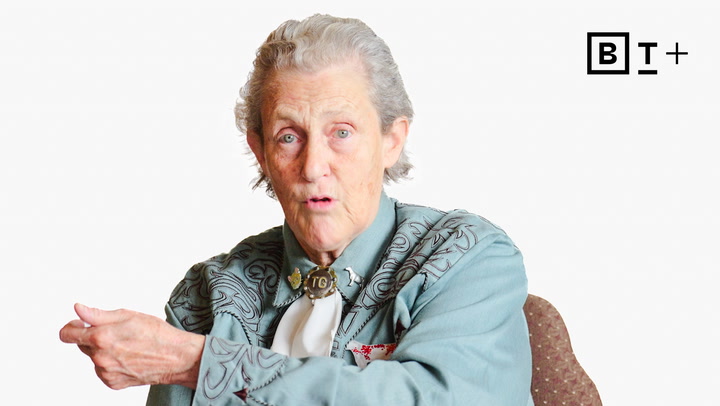
Professor Temple Grandin emphasizes the importance of cultivating resilience through four principles: embracing failure, seeking supportive mentors, connecting with like-minded friends, and identifying your prime directive to navigate life’s challenges effectively.
Cognitive biases can cloud decision-making even for the intelligent, so Annie Duke suggests forming group charters based on The Mertonian Norms to ensure transparency, universalism, disinterestedness, and organized skepticism in evaluating decisions and information.
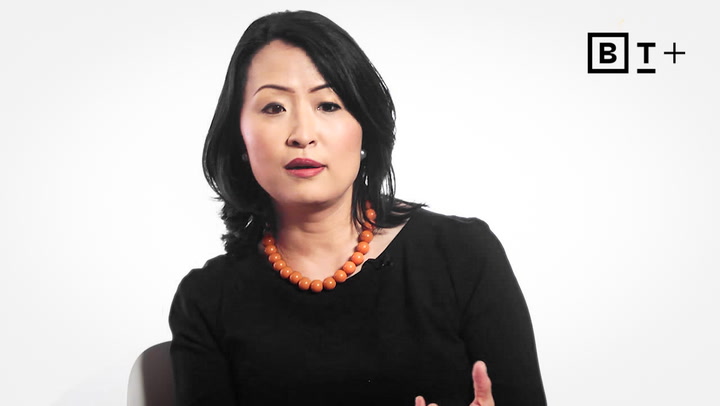
In today’s complex, multicultural workplace, effective leaders must adapt their communication styles to connect with diverse individuals by understanding their differences and preparing for interactions with thoughtful pre-engagement questions, as advised by leadership strategist Jane Hyun.
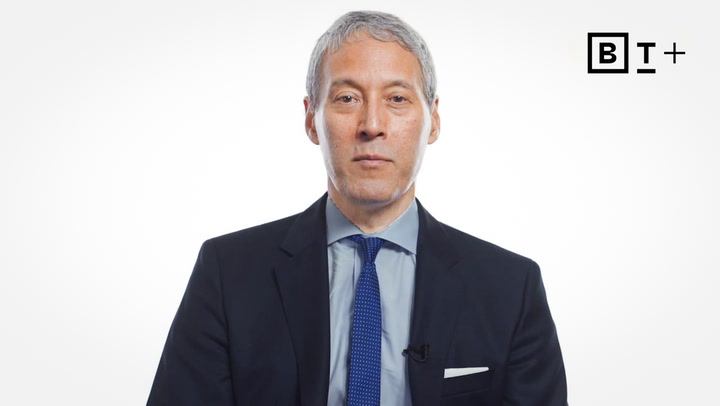
Cultural assumptions, often perceived as common sense, can lead to misunderstandings in international relations; thus, David Kang emphasizes the importance of questioning these biases, particularly Eurocentrism, and integrating local knowledge to better understand Asia’s diverse perspectives and trends.