Warren, I think this is our baby.
Question: Who are you?
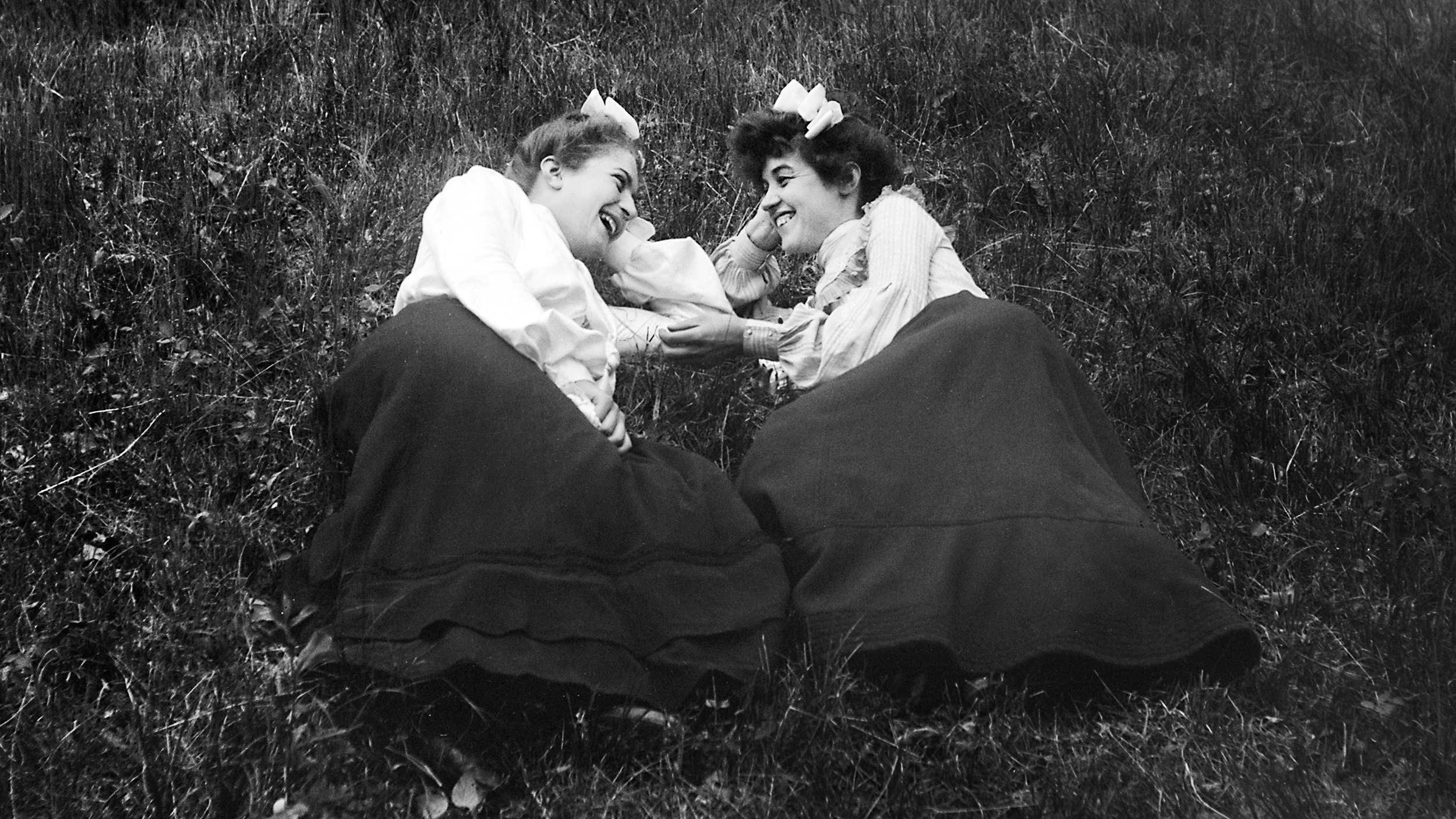
Cynthia McFadden: I'm Cynthia McFadden. I work for ABC News as a co-anchor of “Nightline”, and as a co-anchor of Primetime Live. I was adopted as a baby by two really wonderful people. My mother and father had tried repeatedly to have children and weren’t able to. And I would say it was sort of Cedar House rules. The local doctor – Dr. Twaddle, if you can believe it – suggested to my parents that he was going to have some babies available. It was a private arrangement in the spring of 1956. And so one night after visiting hours, my parents went to the nursery. And there were three little girl babies, one of whom was screaming. That one was me. And the nurse picked me up, handed me to my mother, and my mother said, “Warren, I think this is our baby.” And they took me home. Of course adoption has changed a great deal in the intervening 51 years, but I was blessed. I was blessed to be taken by two people who really wanted a child. And I was an only child, and I was told by these two wonderful people that I could do anything I wanted to do. And that made an enormous difference in my life. I was the first person in my family to go to college. And that was really through their belief in me. And I went to Bowden, which was down the road from where I grew up in Maine, which had recently . . . When I went, I was in the third class of women to graduate from Bowden. And a local judge in town – this little town of Auburn where I grew up – said to me, “Well, I don’t approve of women going to Bowden. But if they’re going to be there, you should be one of them.” So with that sort of dubious encouragement, I was lucky enough to be admitted to Bowden, which was still pretty much a men’s school that admitted women. But it developed my . . . should I say “confidence” or “fierceness”? I guess both maybe. It made me realize that I could stand on my own two feet; that I didn’t always have to seek the approval of others; that my opinion mattered. I went to law school not because I wanted to be a lawyer. I went to law school because I wanted to be a journalist. And I had no idea how to go about doing that. So one of my professors said, “Well God knows you never stop talking, and you write pretty well. So go study something that you’re interested in, whatever that might be.” And I was very interested in government and the way the law worked. And so I applied to law school. And it’s funny. My law school essay was about wanting to be a journalist. It was so odd that the Dean of Admissions at Columbia called me and said, “Are you sure you got the right place here? We’re inclined to admit you, but it seems . . . it seems an odd track.” It didn’t seem odd to me at all. And in fact that was sort of . . . Let’s see, I graduated from law school in ’84. So I was applying in 1980. That was years before cable television and the advent of every lawyer, Tom, Dick, and Mary being on television. This was way ahead of that. So I believed that the law was too important to leave to the lawyers; that we needed to have civilian journalists who knew something about the law, enough to ask probing questions. And that’s what sent me to Columbia.
Recorded on: Jul 7 2007