We should find a middle ground to moderate the our extremes of identity.
Question: Should we embrace or reject our differences?
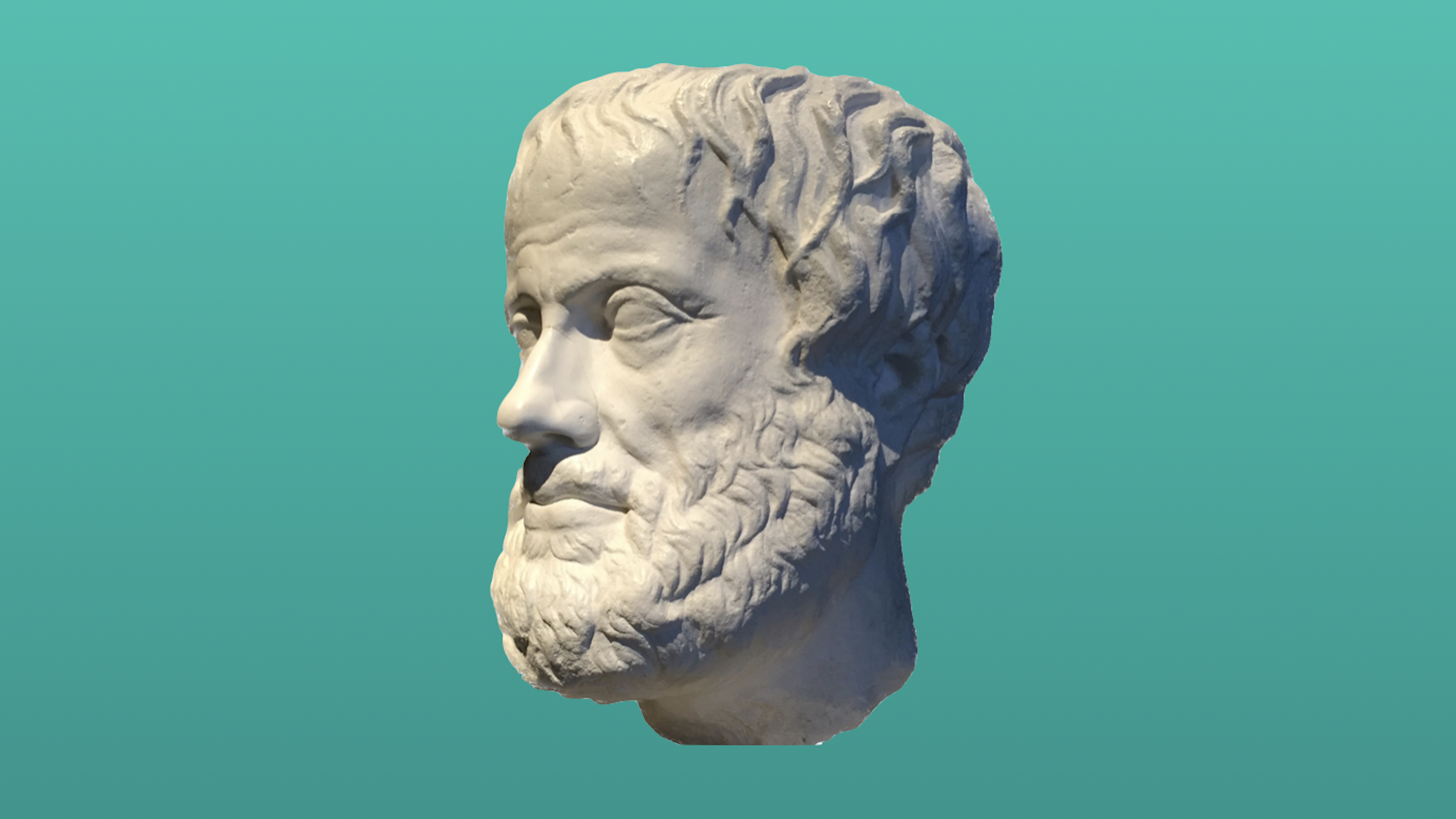
Kwame Anthony Appiah: My general philosophical, as it were, temperament is to find a middle ground between extremes. This is something that Aristotle also recommended.
And I think there are two natural thoughts about identity which are both wrong. But they are sort of at opposite ends. One natural thought which has been taken out by much identity____________ is this is really great stuff. It’s important. It’s wonderful. No human life can be made sense of without lots and lots of identity stuff.
And at the other end is the view that no, what really matters is that you’re a human being. And all these other things merely divide us from one another. And we should focus on our common humanity. And that what it is to lead a good life is to lead a good human life; not an American life; not a good gay life; not a good straight life, whatever; not a good Christian life, but a good human life and so on.
I think these are both wrong.
That is to say, I think that it is important that identities can be a source of limitation and constraint; and that therefore we shouldn’t celebrate them unreservedly. But I think it’s also important to recognize that they can be a source of liberation and freedom and meaning; that they can help us make sense of our lives.
And so neither of the view according to which all identity is sort of ethically and politically to be escaped from, nor the view that we should settle into our given identities and just live through them seems to me quite right.
Now that’s a very abstract way of charactering a contribution; but I think that it pays off when you start thinking about some of the things that I’ve written about like how religion should fit into politics; or questions about racial identity and belonging; and the balance between accepting that racial identities are important for historical reasons in our societies on the one hand, and on the other hand recognizing that they can be sources of limitation and constraint; and that they therefore need to be modified and developed and changed in ways that allow people to do good things with them.
Recorded on: July 31 2007