The brother of a childhood friend inspired Michael Wigler’s research into the minds of those who are, “in wondrous ways, very different from us.”
Question: How did you become interested rnin autism?
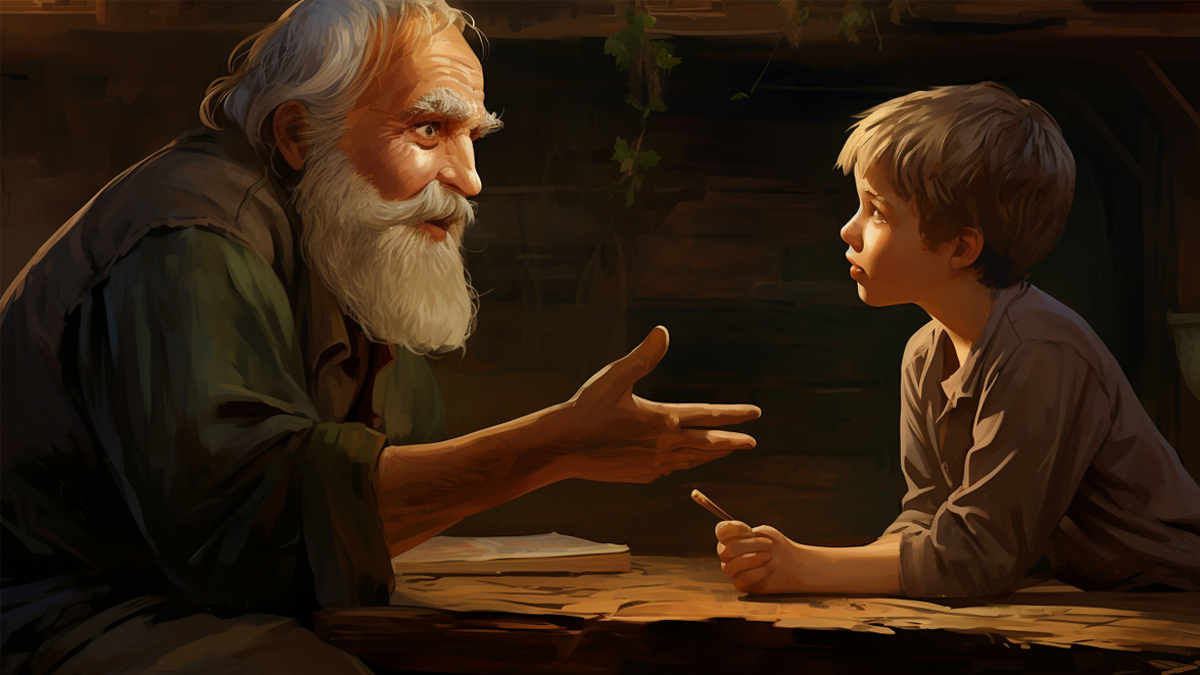
rnrnMichael Wigler: My personal interest inrn autism datesrnfrom when I was a child, and I had a friend whose brother was quiternstrange. And when I was in medicalrnschool, I realized that he had autism. rnIt was actually Asperger’s. He was a very bright kid, never rnlooked yournin the face, constantly was throwing his arms up like that as though he rnhadrnmade some great discovery; and knew everything about baseball rnstatistics.And so it made an imprint on me at anrnearly age.And it’s sort of arnwonderful, it was sort of a wonderful thing to see this fellow who rnactuallyrngrew up to, I think he had a successful career as a disc jockey. So, I was always interested in autismrnand because I come from a family that’s somewhat left-wing, always rnlooking forrnways I can do something that is a benefit to society. Andrn it struck me that autism was not a disorder that wasrnstudied by the scientific community very deeply. Butrn in the worst cases, it was tragic for the families thatrnhad an autistic child.
rnrnSo, I was motivated by both of those things to havern anrninterest in autism. And when wernbegan to study cancer, which was in the early 1980’s, I knew at the timern theyrnwere studying cancer that the tools that we were developing could later rnbernapplied to genetic disorders. Notrnthe kind of genetic disorders where you inherit something from your rnparents,rnbut the kind of genetic disorders that arise spontaneously because of rnmutationrnin the parent’s germ line.
rnrnAn example of those kinds of mutations that rneverybody’srnfamiliar with is Down syndrome; or Trisomy 21 I guess is the clinicallyrncorrect way to refer to it. Thesernare new mutations. You don’trninherit it in the classical sense, but it was obvious to people who rnthoughtrnabout it that human genome is not static; it changes over time. That’s how we evolve. And most rnof those changes are notrngood. They result in some disorderrnor another, but they’re hard to study. rnMost people who study genetic disorders study inherited kinds of rngeneticrndisorders. I was interested in thernother kind of genetic disorders that result from new mutation. And new mutations are what we studyrnwhen we look at cancers. Whenrnwe’re comparing a cancer to the normal person’s genome, the cancers rndiffer byrnnew mutation. That’s calledrnsomatic mutation.
rnrnThe same tools that find somatic mutation can find rngerm line mutations if you compare the child to the parents. Thern incidence of autism being relatively high—and by and large, these rnchildren are so different from their parents—it seemed to me that it wasrn likely, just a priori, that autism was the result of new mutation in rnthe germ linernpossibly affecting many, many, many genes that result in the same end rnbehavior,rnor similar end behaviors, and that was being ignored by the community.
rnrnSo, when we had the tools to go look at this, we rndidrnso. And so it was a combination ofrnopportunism because we had developed the tools, and intrinsic interest rnfromrnboth a social point of view, the social good, and also from a personal rnpoint ofrnview. That is, I had a personalrninterest in how does the brain go from being what we would recognize asrnbelonging to a normal person to somebody who is, in wondrous ways, veryrndifferent from us.