The Science of Creating Fuel
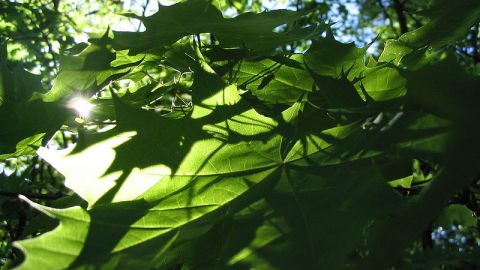
This week’s installment of “The Future in Motion” features a clip from an interview with Dr. Nate Lewis, a chemistry professor at CalTech. He and his team are busy developing a scientific process for mimicking photosynthesis—essentially taking energy from the sun and converting it directly into fuel. It could bring us one step closer to developing truly energy efficient automobiles, something that would help postpone the seemingly inevitable warming of the earth.
As part of this series, every Wednesday until April 7, we will release new interviews with people who are changing the way we get from here to there, from entrepreneurs to policy makers. So far, we’ve featured interviews with Richard Schaden, Aeronautical engineer and founder of Beyond The Edge; Mitchell Joachim, founder of Terreform ONE; Enrique Penalosa, former mayor of Bogata; Felix Kramer, founder of the non-profit, California Cars Initiative; famous aerospace engineer Burt Rutan; director of MIT Media Lab’s Smart Cities Group Bill Mitchell; PhD student at MIT Media Lab, Ryan Chin; and Director of Advanced Mobility Research at Art Center College of Design, Geoff Wardle. The schedule for the following weeks is as follows:
· March 31: Joseph Sussman—Professor of Civil and Environmental Engineering at MIT. Specializing in “Complex, Large-Scale, Interconnected, Open, Sociotechnical” strategic transportation systems.
· March 31: Douglas Malewicki, Aerospace engineer and inventor of the SkyTran, a Personal Rapid Transit system that uses magnetic levitation tracks to achieve the equivalent of over 200 miles per gallon fuel economy at 100 miles per hour or faster.
· April 7: Peter H. Diamandis, Chairman and CEO of the X PRIZE Foundation, which promotes the formation of space tourism and other major milestones and the co-Founder of Space Adventures.
· April 7: Michael Schrage– Research fellow with the Sloan School of Management’s Center for Digital Business and a visiting fellow at Imperial College’s London ‘Innovation and Entrepreneurship’ program.