The NAACP President Grades the President
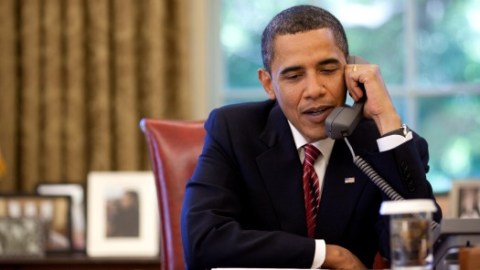
NAACP President Benjamin Jealous was thrilled (though not surprised) to see Barack Obama elected in 2008. And he’s willing to give Obama “wide latitude” during this first phase of his Administration. But there is one issue on which he wishes the President would get more serious: criminal justice reform. In a nation where white people are “65% of the crack users” and “5% of the people locked up for using crack”—and where vast numbers of prisoners are routinely raped and dehumanized—Jealous wants to see a genuine, top-down push to fix the system.
By turns sober and playful, caustic and optimistic, Jealous delivers a comprehensive analysis of U.S. race relations in his Big Think interview. As one of the “children of the dream” growing up in the post-Civil Rights era, he is keenly attuned both to the triumphs his predecessors achieved and to the forces that still threaten them—for example, in our schools, which ironically remain the only public institution that Brown vs. Board of Education has largely failed to integrate.
Jealous is also attuned to the civil rights struggles of another minority group—gay Americans—and aware of the public perception that black activists have been lukewarm in supporting their cause. Yet for his own family as well as the NAACP, he says, gay rights are not only important but “personal”—and if there’s a gap between the movements, it’s a product of insufficient outreach from the LGBT side.
Jealous also addresses the shortage of black people involved in the green movement and the brand-new problems that have arisen for U.S. minorities in recent years, particularly racial profiling as a result of the 9/11 attacks. Finally, after a long list of serious questions, Jealous reveals his favorite comedian: a man for whom he used to serve (in the eyes of clueless club patrons) as a “Puerto Rican bodyguard.”