What is Big Think?  

We are Big Idea Hunters…

We live in a time of information abundance, which far too many of us see as information overload. With the sum total of human knowledge, past and present, at our fingertips, we’re faced with a crisis of attention: which ideas should we engage with, and why? Big Think is an evolving roadmap to the best thinking on the planet — the ideas that can help you think flexibly and act decisively in a multivariate world.

A word about Big Ideas and Themes — The architecture of Big Think

Big ideas are lenses for envisioning the future. Every article and video on bigthink.com and on our learning platforms is based on an emerging “big idea” that is significant, widely relevant, and actionable. We’re sifting the noise for the questions and insights that have the power to change all of our lives, for decades to come. For example, reverse-engineering is a big idea in that the concept is increasingly useful across multiple disciplines, from education to nanotechnology.

Themes are the seven broad umbrellas under which we organize the hundreds of big ideas that populate Big Think. They include New World Order, Earth and Beyond, 21st Century Living, Going Mental, Extreme Biology, Power and Influence, and Inventing the Future.

Big Think Features:

12,000+ Expert Videos

1

Browse videos featuring experts across a wide range of disciplines, from personal health to business leadership to neuroscience.

Watch videos

World Renowned Bloggers

2

Big Think’s contributors offer expert analysis of the big ideas behind the news.

Go to blogs

Big Think Edge

3

Big Think’s Edge learning platform for career mentorship and professional development provides engaging and actionable courses delivered by the people who are shaping our future.

Find out more
Close

Why Good Manners Are Bad for You
October 16, 2011, 8:20 AM
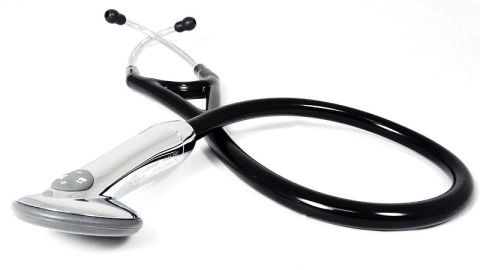
Stethoscope

What's the Latest Development?

When we are forced to point out someone's mistake or bad choice, we resort to 'politeness strategies', says a new psychological study. That means being vague or evasive in order to spare someone's feelings. While being polite can smooth over potential conflict, it can also make professional situations less clear. "Examples include a nurse failing to spell out a doctor's potential error to avoid embarrassment, or an air controller lacking assertiveness with a pilot in trouble." 

What's the Big Idea?

Navigating vague statements with subtle meanings taxes our brains more than understanding a simple, direct sentence. This ultimately leaves us in doubt about the true meaning of the polite remark while distracting us from the task at hand. "Politeness can become problematic when it causes us to ­sacrifice clarity," says Jean-Francois Bonnefon, of the University of Toulouse in France. "This confusion is especially likely to occur in high-stakes situations, the very situations in which we are most likely to use politeness strategies."


Why Good Manners Are Bad fo...

Newsletter: Share: