What is Big Think?  

We are Big Idea Hunters…

We live in a time of information abundance, which far too many of us see as information overload. With the sum total of human knowledge, past and present, at our fingertips, we’re faced with a crisis of attention: which ideas should we engage with, and why? Big Think is an evolving roadmap to the best thinking on the planet — the ideas that can help you think flexibly and act decisively in a multivariate world.

A word about Big Ideas and Themes — The architecture of Big Think

Big ideas are lenses for envisioning the future. Every article and video on bigthink.com and on our learning platforms is based on an emerging “big idea” that is significant, widely relevant, and actionable. We’re sifting the noise for the questions and insights that have the power to change all of our lives, for decades to come. For example, reverse-engineering is a big idea in that the concept is increasingly useful across multiple disciplines, from education to nanotechnology.

Themes are the seven broad umbrellas under which we organize the hundreds of big ideas that populate Big Think. They include New World Order, Earth and Beyond, 21st Century Living, Going Mental, Extreme Biology, Power and Influence, and Inventing the Future.

Big Think Features:

12,000+ Expert Videos

1

Browse videos featuring experts across a wide range of disciplines, from personal health to business leadership to neuroscience.

Watch videos

World Renowned Bloggers

2

Big Think’s contributors offer expert analysis of the big ideas behind the news.

Go to blogs

Big Think Edge

3

Big Think’s Edge learning platform for career mentorship and professional development provides engaging and actionable courses delivered by the people who are shaping our future.

Find out more
Close

Robots Will Take Your Job
September 27, 2011, 11:30 AM
Robot_2

What's the Latest Development?

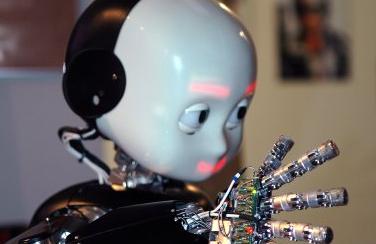
Artificial intelligence is getting closer to replacing high-skilled workers, a sector once thought to be beyond the reach of our technological abilities. "In the next decade, we'll see machines barge into areas of the economy that we'd never suspected possible—they'll be diagnosing your diseases, dispensing your medicine, handling your lawsuits, making fundamental scientific discoveries, and even writing stories just like this one." Following economic theory, higher productivity in these areas will drive down costs, benefiting society as a whole. 

What's the Big Idea?

Just as the percentage of Americans working on farms dropped from 41 to 2 between 1900 and 2000, robots are on course to revolutionize our current labor market. Software developer Martin Ford was one of the first to write extensively about the coming changes: "There's no question that there will be new things in the future. But the assumption that economists are making is that those industries are going to be labor-intensive, that there are going to be lots of jobs there," Ford says. "But the fact is we don't see that anymore."


Robots Will Take Your Job

Newsletter: Share: